
Woodworking Mistakes: Expert Tips for Effortless Fixes
Discover easy fixes for common woodworking mistakes with these expert tips. From misaligned cuts to tearout, learn how to tackle woodworking errors effortlessly. Perfect your craft with our helpful advice on woodworking mistakes fix.

Woodworking is a rewarding and fulfilling hobby that allows you to create beautiful pieces of furniture and art. However, even the most experienced woodworkers can make mistakes from time to time. These errors can be frustrating, but they are also valuable learning experiences. In this article, we will explore some of the most common woodworking mistakes and provide you with tips on how to fix them.
Identifying and Fixing Misaligned Cuts
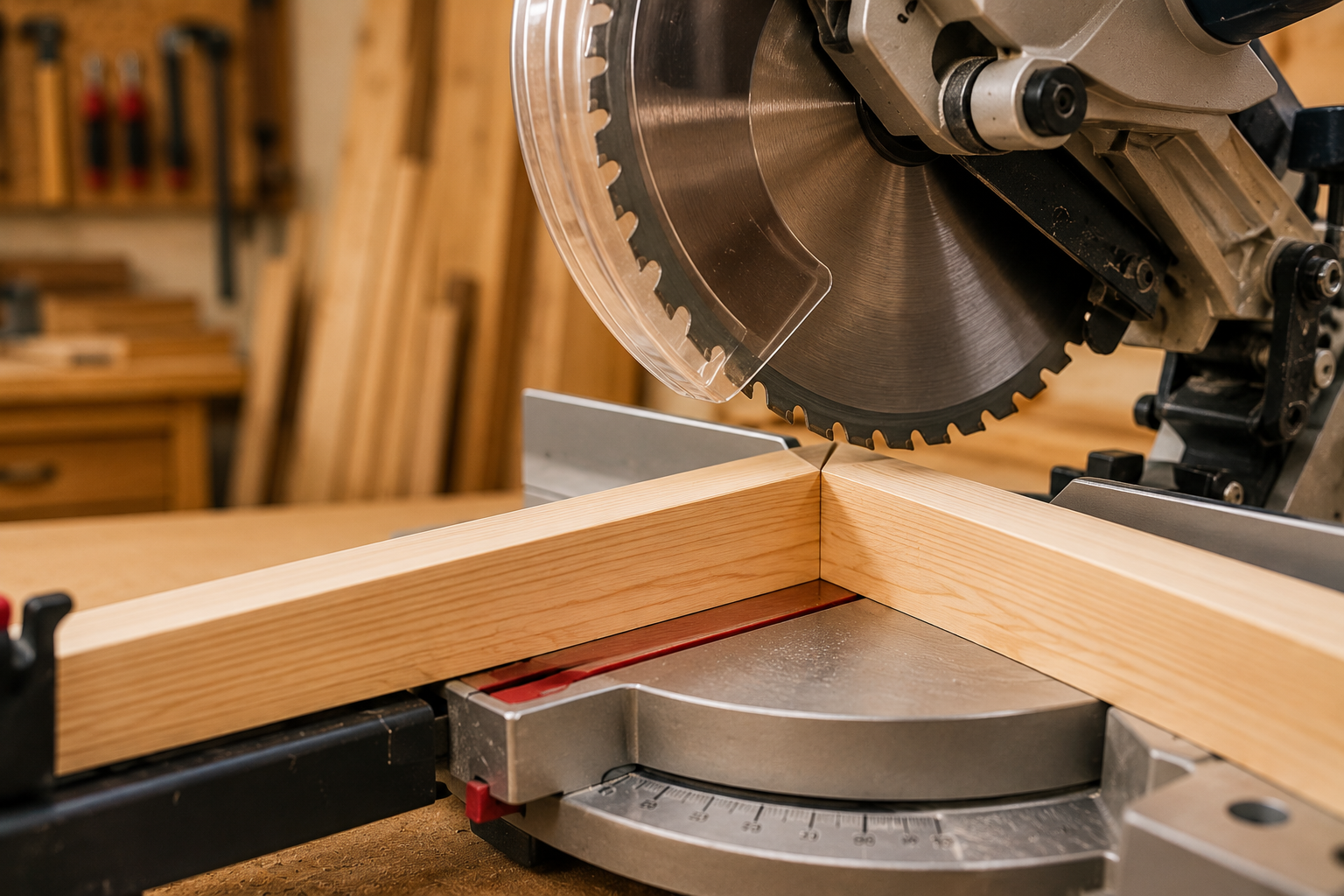
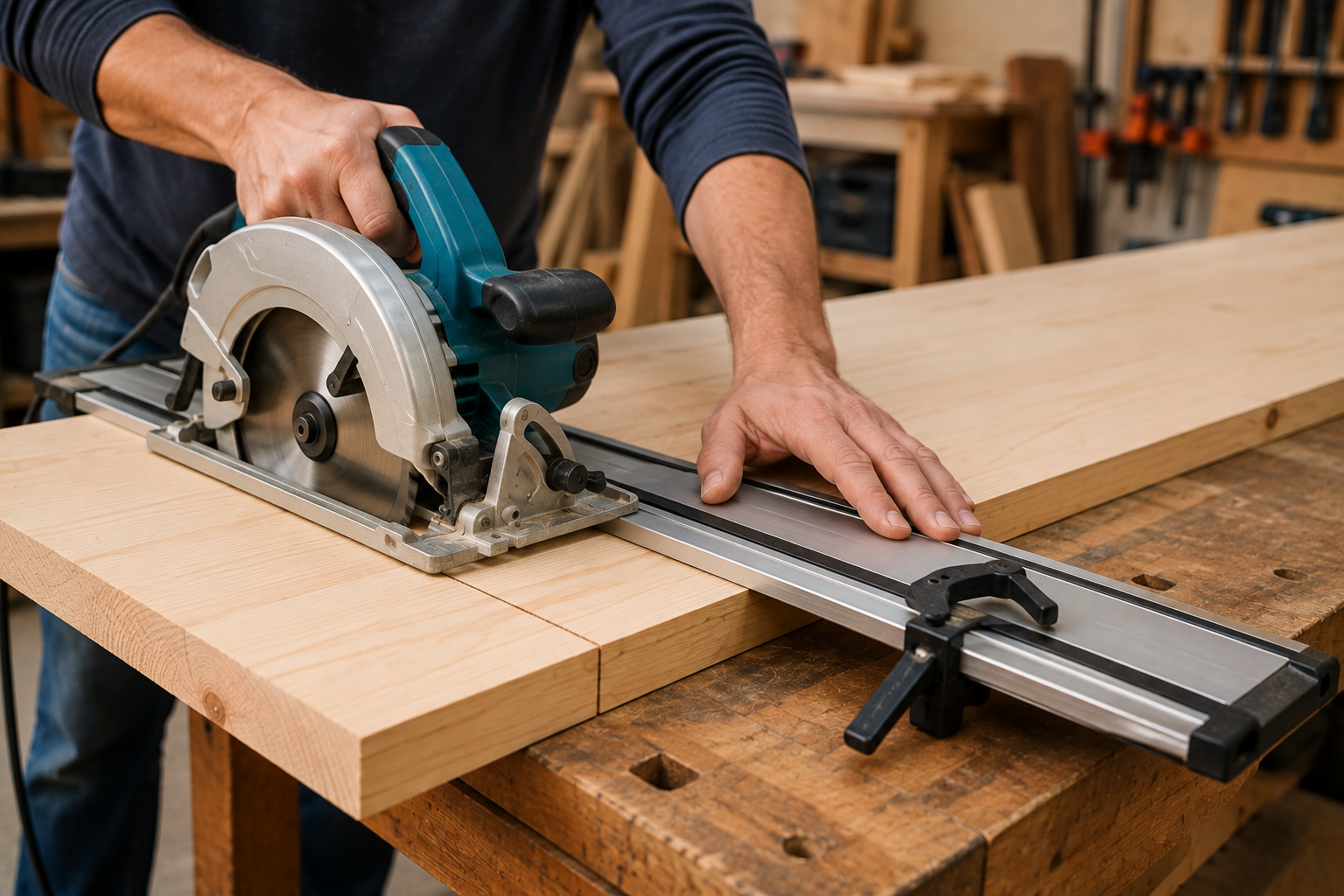
One of the most common mistakes that woodworkers make is misaligned cuts. This can happen when the blade drifts off course during cutting, resulting in a jagged or uneven edge. To fix this issue, you can use a straight edge or a guide to ensure that your cuts are straight and accurate. Additionally, investing in a high-quality blade and making sure your saw is properly aligned can help prevent misaligned cuts in the future.
Dealing with Tearout
Tearout occurs when wood fibers are torn away from the surface of the wood, leaving a rough and uneven finish. This can happen when using power tools like routers and planers. To fix tearout, you can try adjusting the depth of cut or the speed of your tool. Using sharp blades and making shallow passes can also help minimize tearout. If tearout does occur, you can sand the affected area to smooth out the surface.
Repairing Gaps and Gaps in Joinery
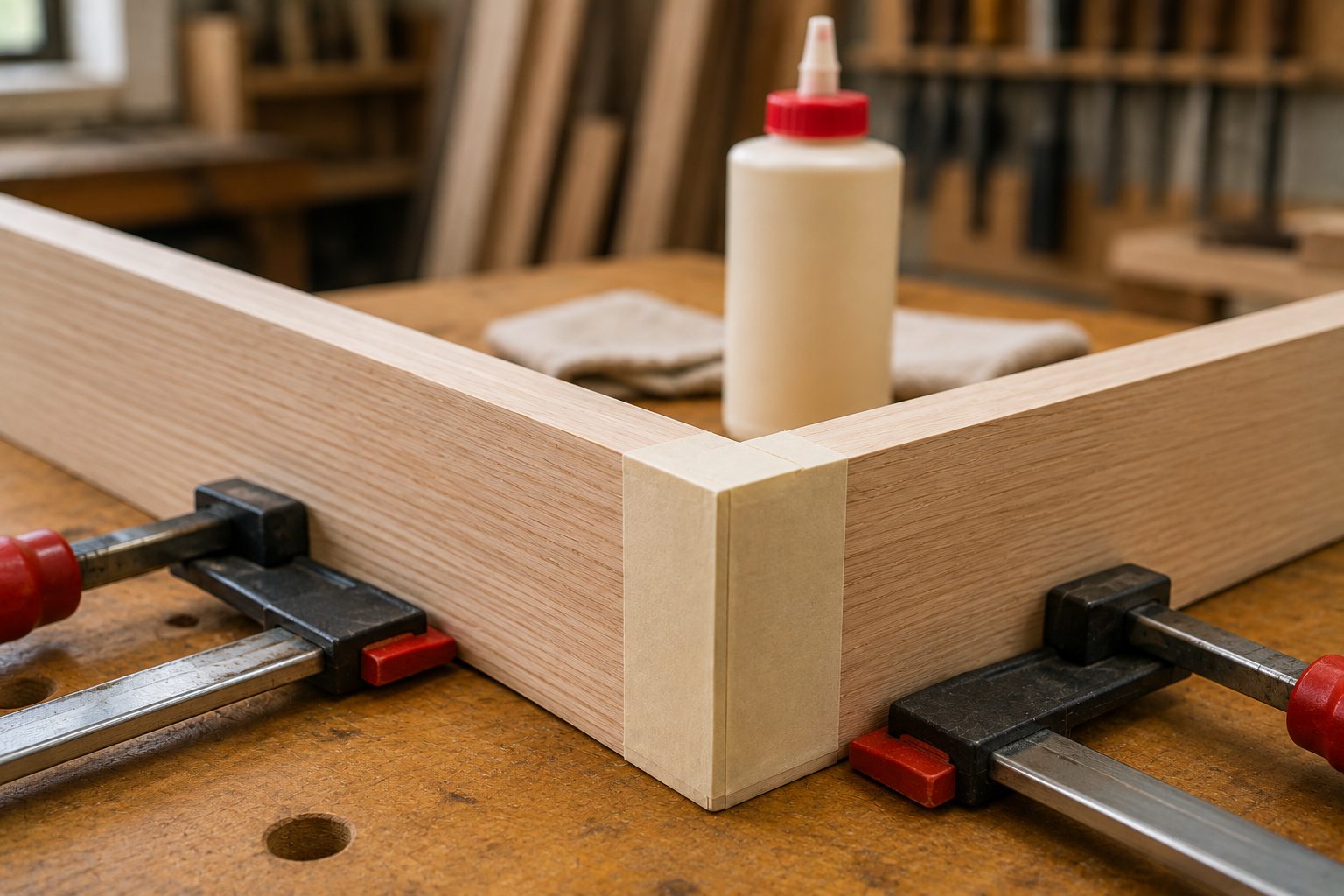
Another common woodworking mistake is gaps or inconsistencies in joinery. This can happen when joints are not cut or fitted properly, resulting in weak and unstable connections. To fix this issue, you can use wood filler or epoxy to fill in the gaps. Alternatively, you can disassemble the joint, recut the pieces, and refit them together. Taking the time to ensure that your joints are precise and snug can help prevent gaps in the future.
Resolving Split Wood
Splitting or cracking wood is a common issue that can occur due to improper drying, excessive pressure, or rough handling. To fix split wood, you can use wood glue and clamps to bond the separated pieces back together. For larger splits, you may need to reinforce the repair with dowels or splines. To prevent wood from splitting in the first place, make sure to properly acclimate your wood before working with it and handle it gently to avoid unnecessary stress.
Correcting Finish Imperfections
Finish imperfections such as drips, bubbles, or brush marks can detract from the overall quality of your woodworking project. To fix these issues, you can sand the surface lightly to remove imperfections and reapply the finish in thin, even coats. Using high-quality brushes and following the manufacturer’s instructions can help you achieve a flawless finish. Additionally, practicing on scrap wood before applying finish to your project can help you avoid mistakes and ensure a professional result.
In conclusion, woodworking mistakes are a natural part of the learning process. By understanding common errors and knowing how to fix them, you can improve your skills and craftsmanship. Remember that patience, practice, and attention to detail are key to mastering the art of woodworking. With these tips in mind, you can confidently tackle any challenges that come your way and create stunning wood creations that you can be proud of.