
Wood Glue Squeeze Out Prevention Tips : The Easy Way
Discover how to effortlessly prevent wood glue squeeze out in your woodworking projects with these simple solutions. Say goodbye to unsightly glue stains and compromised joints by following our expert tips on managing wood glue squeeze during assembly.
Woodworking enthusiasts know the frustration that comes with excess wood glue squeezing out of joints during assembly. This issue, commonly known as wood glue squeeze out, can lead to unsightly glue stains and compromised joints if not managed properly. However, with some simple techniques and precautions, you can prevent wood glue squeeze out and achieve clean, professional-looking projects. In this article, we will explore effective strategies to avoid excess glue and ensure your woodworking projects are a success.
Understanding Wood Glue Squeeze Out
Wood glue squeeze out occurs when excess adhesive is forced out of the joint during clamping. This can happen due to the pressure applied during clamping, the porosity of the wood, or the type of glue being used. While some amount of squeeze out is normal and indicates that the joint is properly filled with glue, excessive squeeze out can be problematic.
Choosing the Right Glue
One of the key factors in preventing wood glue squeeze out is choosing the right type of adhesive for your project. Opt for a thicker consistency glue, such as a gel or urethane glue, as these are less likely to run and drip compared to thin, watery glues like PVA (polyvinyl acetate) glue. Thicker glues provide better control during application and reduce the chances of excess glue squeezing out.
Applying the Right Amount of Glue
Over-application of glue is a common cause of excessive squeeze out. To prevent this, apply a moderate amount of glue to the mating surfaces using a glue brush, roller, or spreader. Ensure that the glue is evenly distributed and only covers the areas that will be in contact when the joint is assembled. Excess glue should be avoided as it will inevitably squeeze out during clamping.
Using Tape or Masking
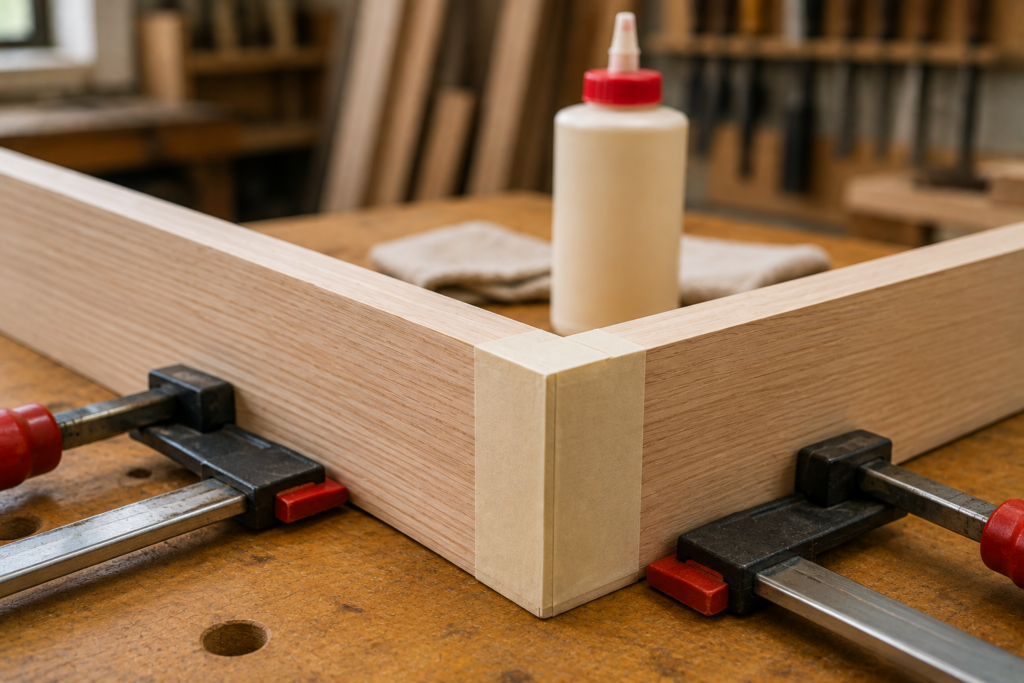
An effective way to control wood glue squeeze out is by using masking tape or painter’s tape along the joint lines before applying glue. The tape acts as a barrier that prevents the excess glue from seeping out onto the surface of the wood. Once the glue has dried, the tape can be easily peeled off, leaving behind clean, glue-free edges.
Dry Assembly
To anticipate and prevent squeeze out, it can be helpful to conduct a dry assembly of your project pieces before applying glue. This involves fitting the pieces together without glue to check for proper alignment and ensure that the joints are tight. By doing a dry run, you can identify potential areas where glue squeeze out may occur and make any necessary adjustments before applying the adhesive.
Controlled Clamping Pressure
When clamping your project during glue-up, it is important to apply even and controlled pressure to avoid excessive squeeze out. Use clamps that distribute pressure evenly across the joint and adjust them gradually to prevent sudden surges of glue. Avoid over-tightening the clamps, as this can force out more glue than necessary and weaken the joint.
Cleaning Up Excess Glue
Despite taking precautions, some amount of glue squeeze out may still occur. To clean up excess glue, wait until it is partially cured but still soft enough to be removed easily. Use a sharp chisel or scraper to gently remove the dried glue without damaging the wood surface. Be careful not to spread the glue around, as this can lead to further mess.
Preventing wood glue squeeze out is a crucial aspect of achieving professional results in woodworking projects. By selecting the right glue, applying it judiciously, using masking tape, conducting dry assemblies, applying controlled clamping pressure, and cleaning up effectively, you can minimize the risk of excess glue spoiling your work. With these strategies in mind, you can enjoy cleaner, more professional-looking woodworking projects with minimal hassle and cleanup.
Want Cleaner and More Precise Woodworking Results?
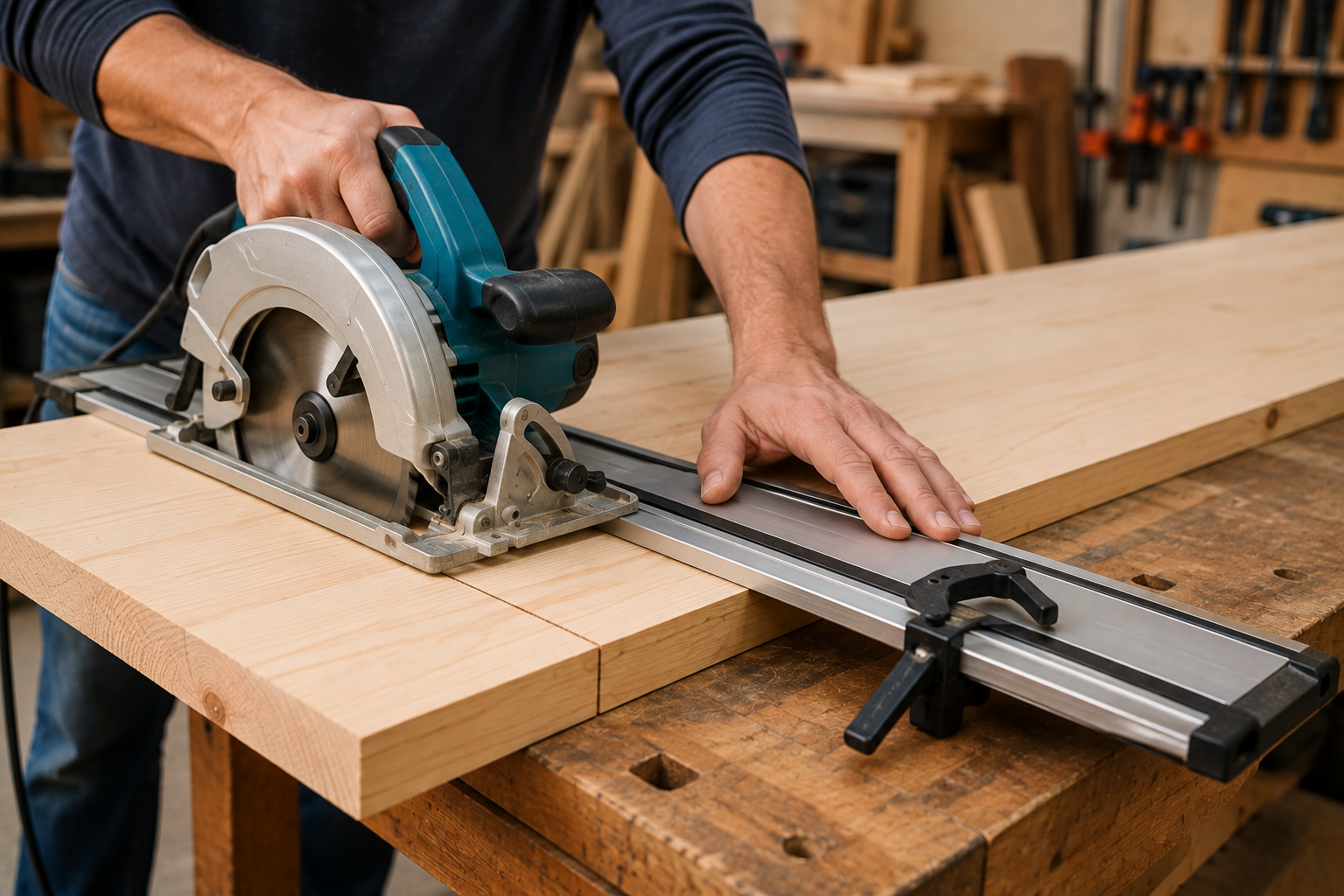
Preventing wood glue squeeze-out is easier when your boards fit together accurately from the start. Clean, precise cuts can help create better-fitting joints, reduce unnecessary gaps, and make your woodworking projects look more professional.
If you want to improve your cutting accuracy and make your woodworking projects easier to build, take a look at DIY Smart Saw. It can be a useful option for woodworkers who want to achieve more precise cuts and better results on their DIY projects.
Learn More About DIY Smart Saw → https://www.diymagicmachine.com