
Best Epoxy for Wooden Boats: Top-Rated and Effortless Choices
Choosing the right epoxy for your wooden boat is essential for its longevity and durability on the water. With a variety of options available, finding the best epoxy may seem overwhelming, but understanding the key factors like water resistance, UV protection, flexibility, and adhesion will ensure your boat remains shipshape for years to come.
When it comes to safeguarding and enhancing the longevity of wooden boats, choosing the right epoxy is crucial. Epoxy not only seals and protects the wood but also adds a layer of strength and durability to the vessel. With a myriad of options available in the market, selecting the best epoxy for wooden boats can seem like a daunting task. However, by understanding the key factors to consider, you can make an informed decision that will ensure your boat remains in top condition for years to come.
Types of Epoxy for Wooden Boats
Before delving into the selection process, it’s essential to familiarize yourself with the different types of epoxy suitable for wooden boats. Marine-grade epoxy is the most recommended choice as it is specifically formulated to withstand the harsh marine environment. This type of epoxy is designed to be waterproof, UV resistant, and provide superior adhesion to wood surfaces. Additionally, there are epoxy fillers available that can be mixed with the epoxy to create a thickened mixture for filling gaps, cracks, and voids in the wood.
Considerations When Choosing Epoxy
-
Water Resistance: One of the primary considerations when choosing epoxy for wooden boats is its water resistance. Since boats are constantly exposed to water, the epoxy used must be waterproof to prevent water damage and rotting of the wood.
-
UV Protection: Exposure to sunlight can cause epoxy to degrade over time, leading to discoloration and reduced effectiveness. Opt for an epoxy that offers UV protection to maintain the integrity of the wood and the epoxy coating.
-
Flexibility: Wooden boats are constantly subjected to movement and flexing, especially in water. Choose an epoxy that offers flexibility to accommodate the natural movements of the boat without cracking or peeling.
-
Adhesion: The ability of the epoxy to adhere securely to the wood surface is crucial in ensuring a durable and long-lasting finish. Look for epoxy products that provide strong adhesion to wood and have good gap-filling properties.
-
Cure Time: Consider the cure time of the epoxy, as it can vary depending on the product. Faster-curing epoxies are ideal for quick projects, while slower-curing epoxies allow for more time to work with the material.
Application and Mixing
When applying epoxy to wooden boats, proper surface preparation is key to ensuring a strong bond and professional finish. Begin by sanding the wood surface to remove any rough spots and ensure a smooth finish. Clean the surface thoroughly to remove any dust or debris that could hinder adhesion.
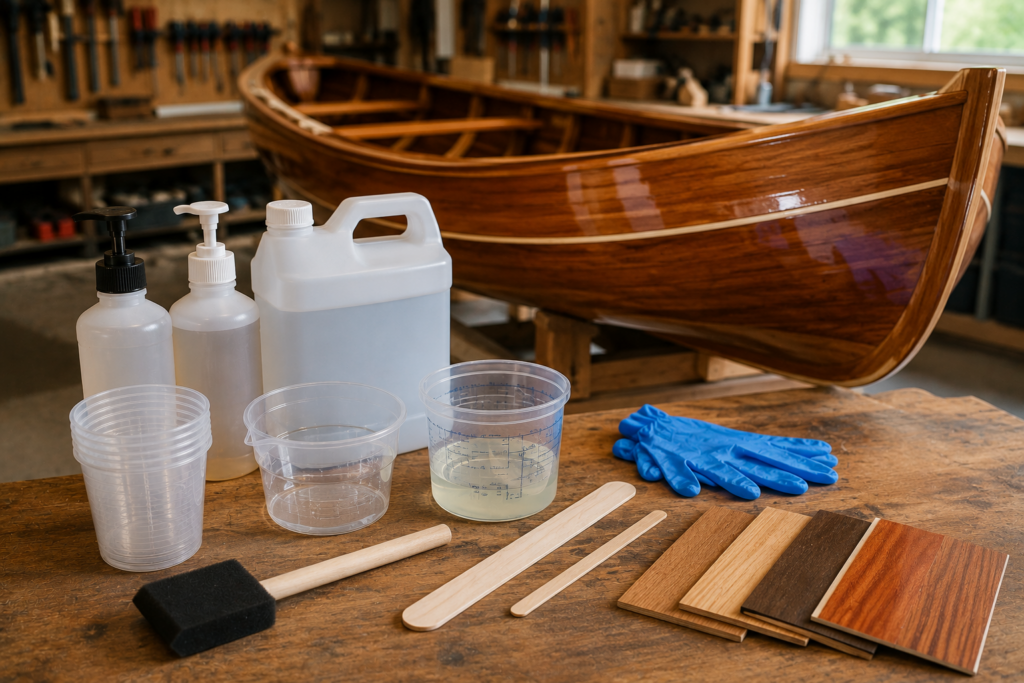
Mix the epoxy according to the manufacturer’s instructions, ensuring the correct ratio of resin to hardener. Thoroughly mix the components together until a uniform consistency is achieved. Apply the epoxy using a brush or roller, working in small sections to ensure even coverage. Allow the epoxy to cure according to the recommended time before applying additional coats if needed.
Conclusion
Choosing the best epoxy for wooden boats is a critical decision that can impact the longevity and performance of your vessel. By considering factors such as water resistance, UV protection, flexibility, adhesion, and cure time, you can select an epoxy that meets the specific needs of your wooden boat. Proper application and mixing techniques are also essential for achieving a professional finish and ensuring the durability of the epoxy coating. With the right epoxy, your wooden boat can remain in pristine condition and provide years of enjoyment on the water.