
Replace Wooden Boat Transom Effortlessly with Our Expert Tips
Say goodbye to your wooden boat transom troubles with our expert tips – replacing it is as easy as a day on the water!
Wooden boats have a timeless charm and beauty that captivates many enthusiasts. However, maintaining a wooden boat requires regular care and attention, including replacing the transom when necessary. The transom is a critical structural component at the back of the boat that supports the outboard motor and plays a crucial role in the boat’s overall performance. In this detailed guide, we will walk you through the process of replacing a wooden boat transom, outlining the steps, tools needed, and essential tips for a successful restoration project.
Understanding the Transom
Before diving into the replacement process, it’s essential to understand the purpose of the transom. The transom serves as the stern’s cross-section and provides stability and strength to the boat. Over time, due to exposure to water, weather, and mechanical stress, wooden transoms can deteriorate, compromising the boat’s integrity. Signs of transom damage include rot, soft spots, cracks, or delamination, indicating the need for immediate attention.
Assessment and Preparation
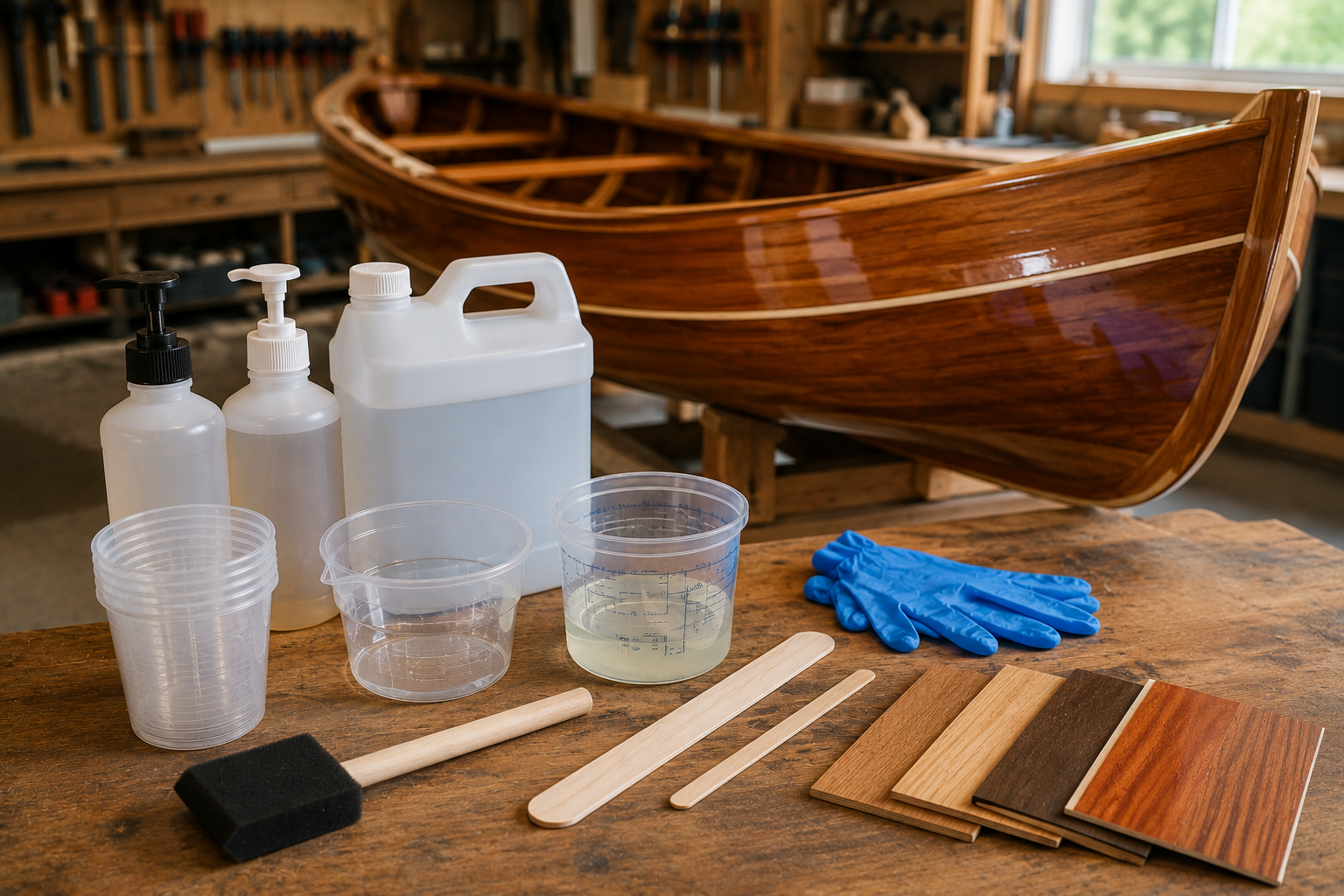
The first step in replacing a wooden boat transom is to assess the extent of the damage. Thoroughly inspect the transom for any signs of decay, rot, or structural weakness. Once you have identified the issue, you can start preparing for the replacement process. Gather the necessary tools and materials, including marine-grade plywood, epoxy resin, fiberglass cloth, saws, drills, sandpaper, and protective gear.
Removing the Old Transom
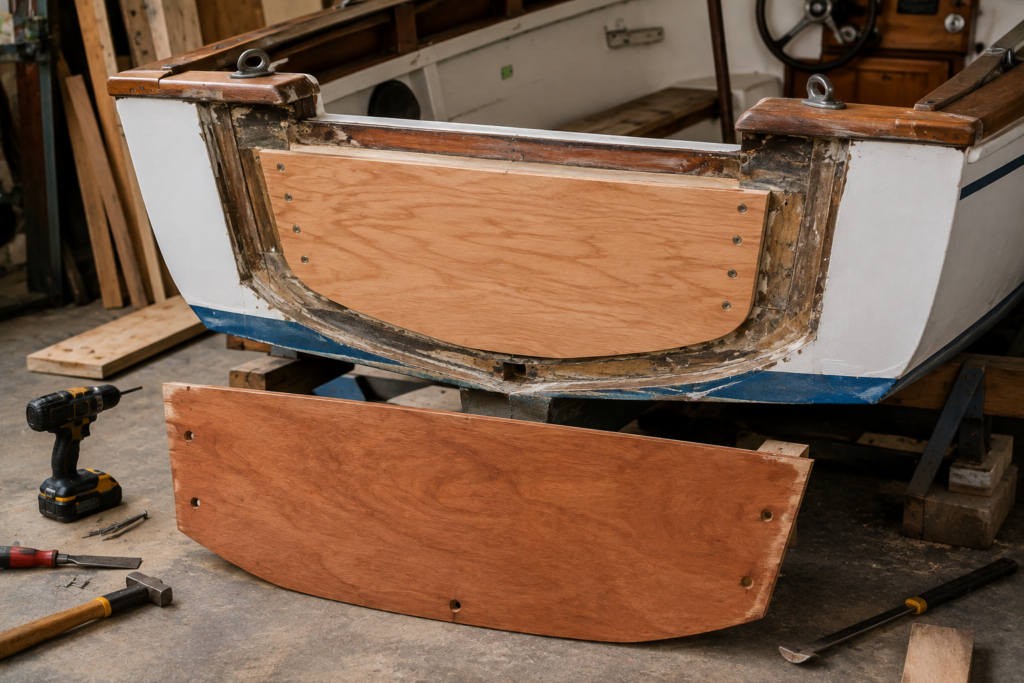
To begin the replacement, remove the old transom carefully. Start by disconnecting any hardware attached to the transom, such as the outboard motor, cleats, or lights. Use a saw to cut through the old transom and gradually detach it from the boat’s structure. Take caution not to damage the surrounding areas during this process. Once the old transom is removed, clean the area thoroughly to prepare it for the new installation.
Installing the New Transom
Next, cut the marine-grade plywood to the exact dimensions of the old transom. Ensure a precise fit to maintain the boat’s structural integrity. Apply epoxy resin to the transom and boat structure before placing the new plywood in position. Use clamps to secure the plywood in place and allow the epoxy to cure thoroughly. Additionally, reinforce the transom by applying multiple layers of fiberglass cloth and epoxy for added strength and durability.
Finishing Touches and Testing
After the epoxy has cured, sand the transom surface to a smooth finish. This step is crucial for achieving a seamless and polished look. Reattach the hardware, such as the outboard motor, to the new transom securely. Once everything is in place, it’s essential to conduct a thorough inspection and test the boat on the water to ensure that the new transom functions correctly and supports the motor’s weight.
Maintenance and Care
To extend the lifespan of your newly replaced wooden boat transom, regular maintenance is key. Keep the transom clean and dry to prevent moisture buildup and rot. Periodically inspect the transom for any signs of damage and address them promptly to avoid costly repairs in the future. By taking good care of your wooden boat, including the transom, you can enjoy many more years of sailing adventures.
Ready for Your Next Boat-Building Project?
Replacing a wooden boat transom can be a challenging project, but it can also give you valuable experience working with marine wood and building techniques. If you enjoyed working on this project and want to take on more boat-related woodworking projects, having detailed plans can make the process much easier.
If you’re interested in building more boats or taking on other boat-building projects, explore MyBoatPlans for a collection of boat-building plans and project ideas. It can be a useful resource for woodworkers who want to learn more about building and working with wooden boats.