
Easy Woodworking : Start Crafting Today
Embark on your woodworking journey with confidence by understanding the basics of woodworking. Start by familiarizing yourself with different types of wood, tools, and techniques, and create a workspace that inspires your craft. With a few essential tools and a can-do attitude, youll be crafting beautiful wooden pieces in no time. Lets get started on your woodworking adventure today!

Getting started with woodworking can be an incredibly rewarding and fulfilling hobby, even if you have no prior experience. The beauty of woodworking lies in its versatility, allowing you to create practical items, decorative pieces, and even furniture with your own hands. If you’re eager to begin woodworking but don’t know where to start, fear not! This guide will provide you with the essential steps and tips to embark on your woodworking journey with confidence.
Understanding the Basics of Woodworking
Before diving headfirst into woodworking, it’s crucial to familiarize yourself with the fundamentals of the craft. Start by learning about the different types of wood, tools, and techniques commonly used in woodworking. Research online resources, attend workshops, or join woodworking forums to expand your knowledge and gain valuable insights from experienced woodworkers.
Setting Up Your Workspace
Creating a conducive workspace is vital for a smooth woodworking experience. Designate a dedicated area in your garage, basement, or backyard where you can work comfortably and safely. Ensure that your workspace is well-ventilated, well-lit, and equipped with the necessary tools and equipment. Invest in a sturdy workbench, storage solutions for your materials, and personal protective gear such as goggles, gloves, and a dust mask.
Acquiring Essential Tools
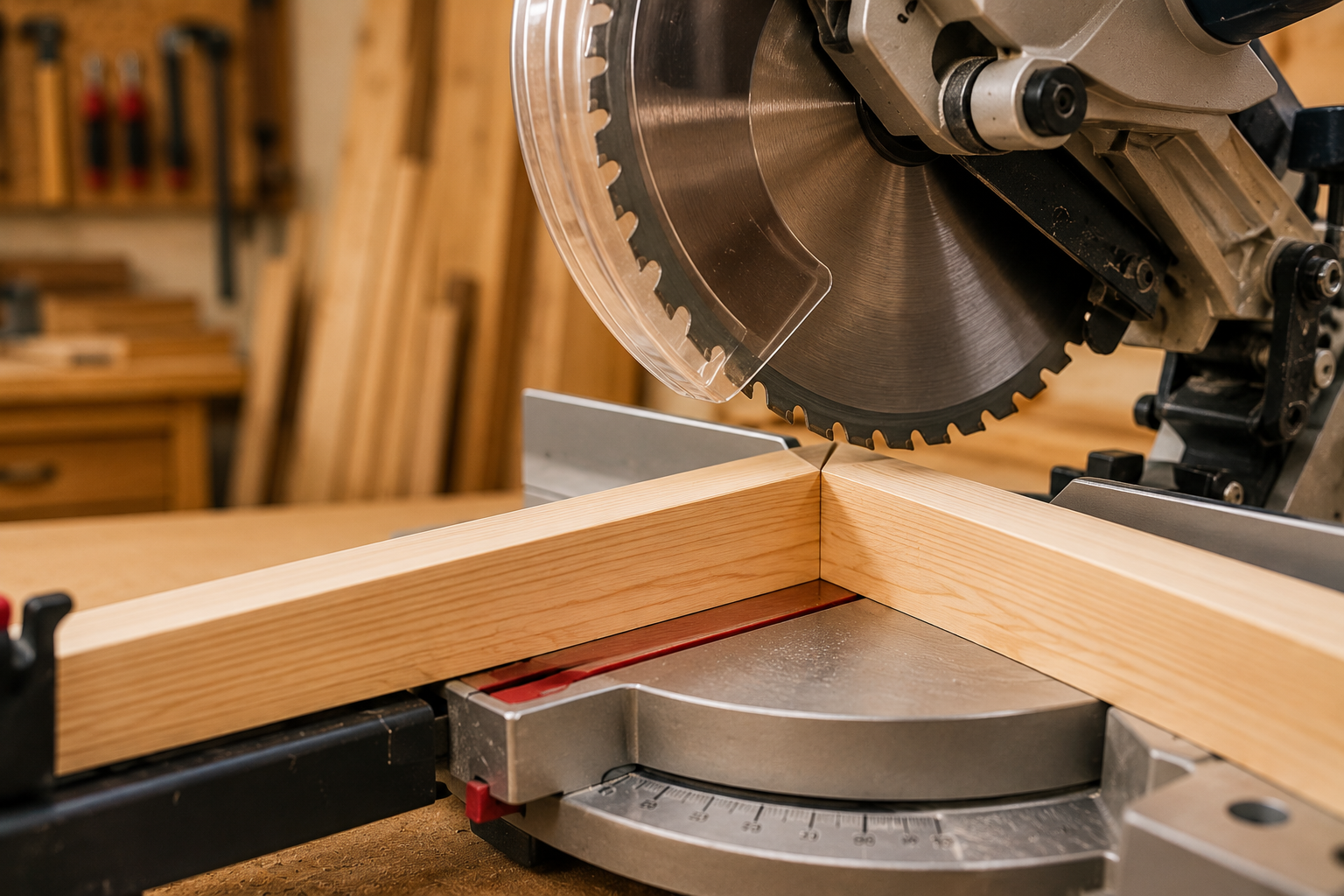
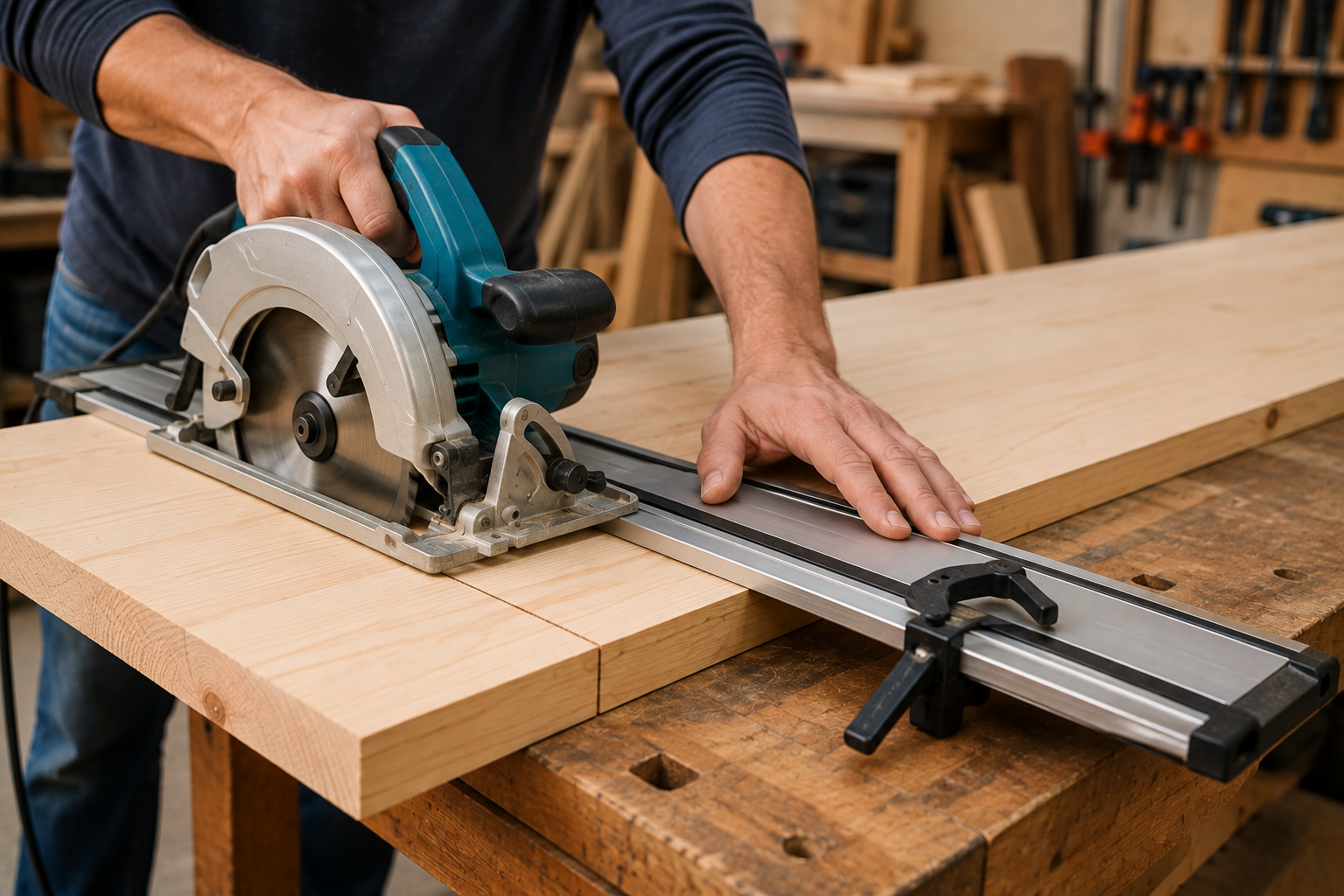
While a fully equipped woodworking shop may seem intimidating at first, rest assured that you can start woodworking with just a few essential tools. Invest in basic hand tools such as a hammer, tape measure, chisels, hand saw, and a set of screwdrivers to kickstart your woodworking projects. As you progress, you can gradually expand your tool collection to include power tools like a drill, circular saw, and sander for more intricate projects.
Beginning with Simple Projects
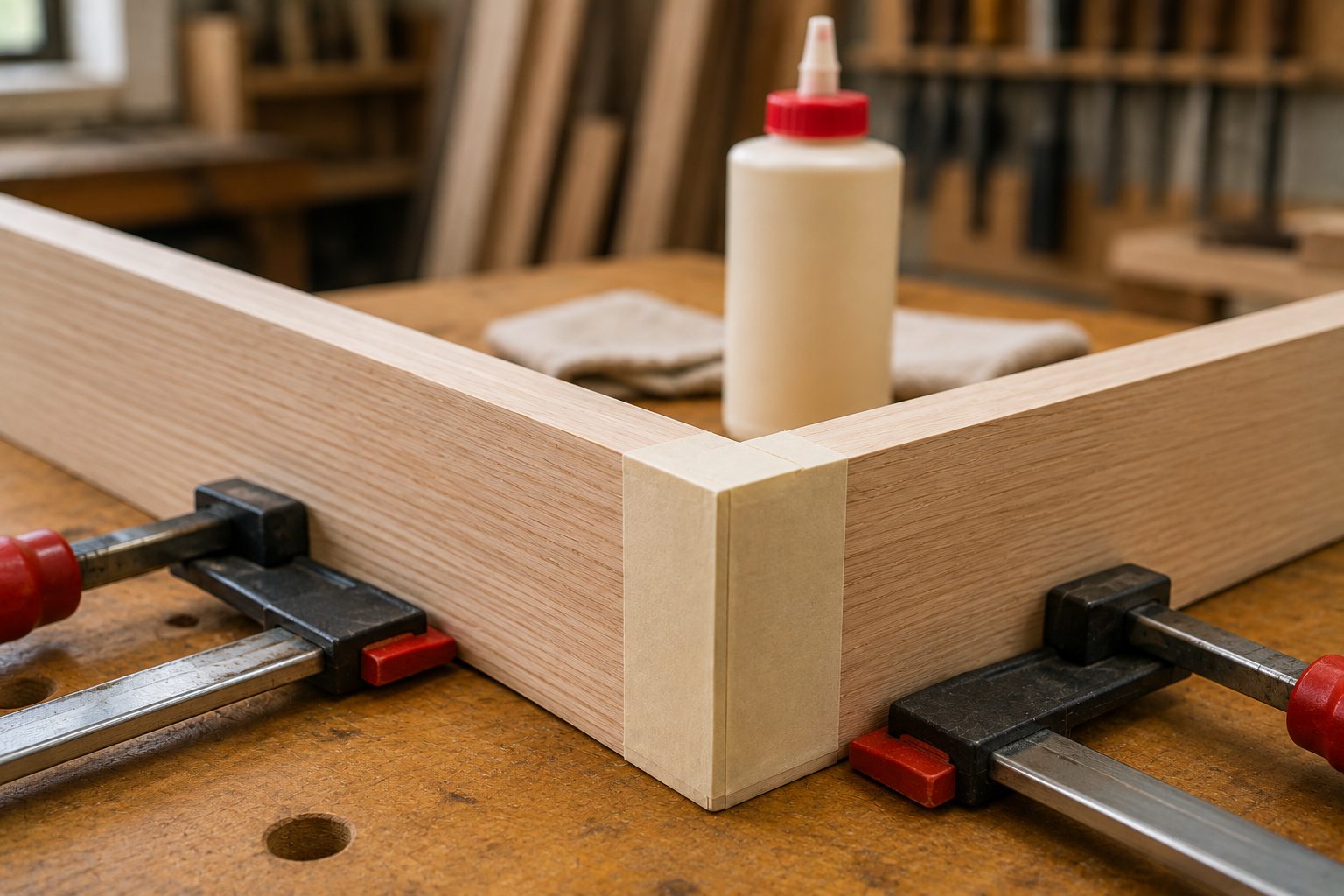
As a beginner woodworker, it’s advisable to start with simple projects that allow you to hone your skills and gradually build your confidence. Consider crafting small items like a wooden picture frame, a birdhouse, or a cutting board to practice fundamental techniques such as measuring, cutting, sanding, and finishing. Starting small will help you familiarize yourself with the woodworking process and develop a solid foundation for more complex projects in the future.
Learning from Mistakes and Seeking Inspiration
It’s essential to embrace mistakes as valuable learning opportunities in your woodworking journey. Don’t be discouraged by setbacks or imperfections in your projects; instead, use them as chances to refine your skills and techniques. Additionally, seek inspiration from woodworking magazines, books, websites, and social media platforms to discover new ideas, designs, and tips from seasoned woodworkers. Engaging with the woodworking community can provide you with invaluable support, guidance, and motivation to continue improving your craft.
Joining Woodworking Classes or Workshops
If you’re eager to accelerate your learning curve and receive hands-on guidance, consider enrolling in woodworking classes or workshops in your area. Learning from experienced instructors and interacting with fellow woodworkers can enhance your skills, knowledge, and confidence in woodworking. Workshops may cover a variety of topics such as basic woodworking techniques, tool usage, project planning, and safety practices to equip you with the necessary skills to tackle more advanced projects.
Embracing Patience and Persistence
Woodworking is a skill that requires patience, practice, and persistence to master. Understand that progress takes time, and it’s okay to make mistakes along the way. Celebrate your achievements, no matter how small, and continue to challenge yourself with new projects and techniques. Remember that woodworking is a journey of continuous learning and growth, and each project you undertake contributes to your development as a skilled woodworker.
In conclusion, starting woodworking with no experience is an exciting endeavor that offers endless possibilities for creativity and self-expression. By understanding the basics, setting up a functional workspace, acquiring essential tools, starting with simple projects, learning from mistakes, seeking inspiration, joining classes or workshops, and embracing patience and persistence, you can embark on your woodworking journey with confidence and enthusiasm. With dedication, practice, and a passion for the craft, you’ll soon find yourself creating beautiful and unique woodworking pieces that reflect your skills and creativity.