
Woodworking at Home: Essential Tips for Effortless DIY Crafting
Embark on your woodworking journey with ease and confidence by following these essential tips for effortless DIY crafting projects at home. Discover the joy of creating stunning pieces of art using woodworking projects that reflect your unique style and skills.
Woodworking is a captivating and rewarding hobby that allows you to create beautiful and functional pieces of art right in the comfort of your own home. Whether you’re a complete beginner or have some experience with DIY projects, starting woodworking at home can be a fulfilling and enjoyable endeavor. In this article, we will explore the essential steps and tips to help you embark on your woodworking journey.
Getting Started with Woodworking Equipment
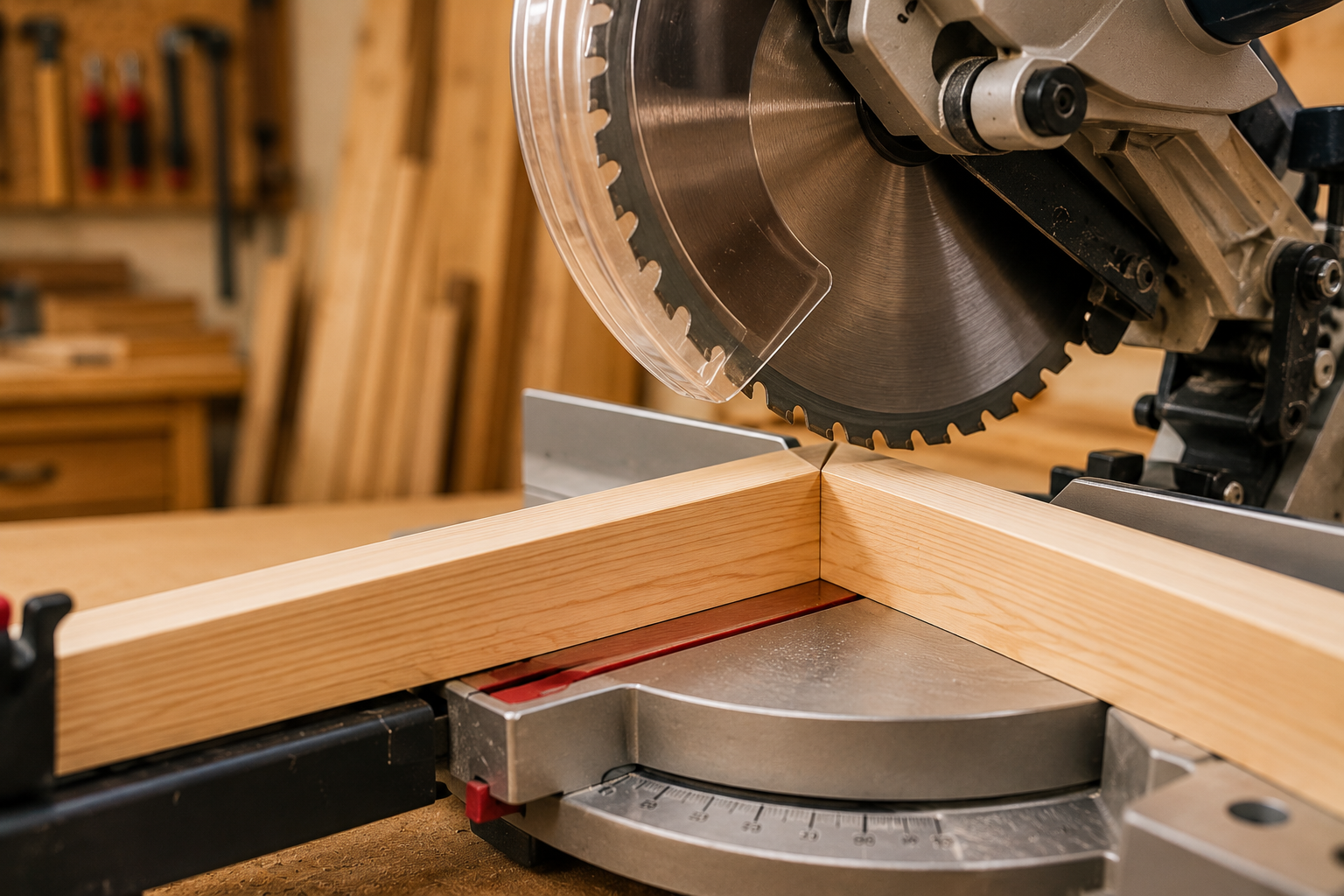
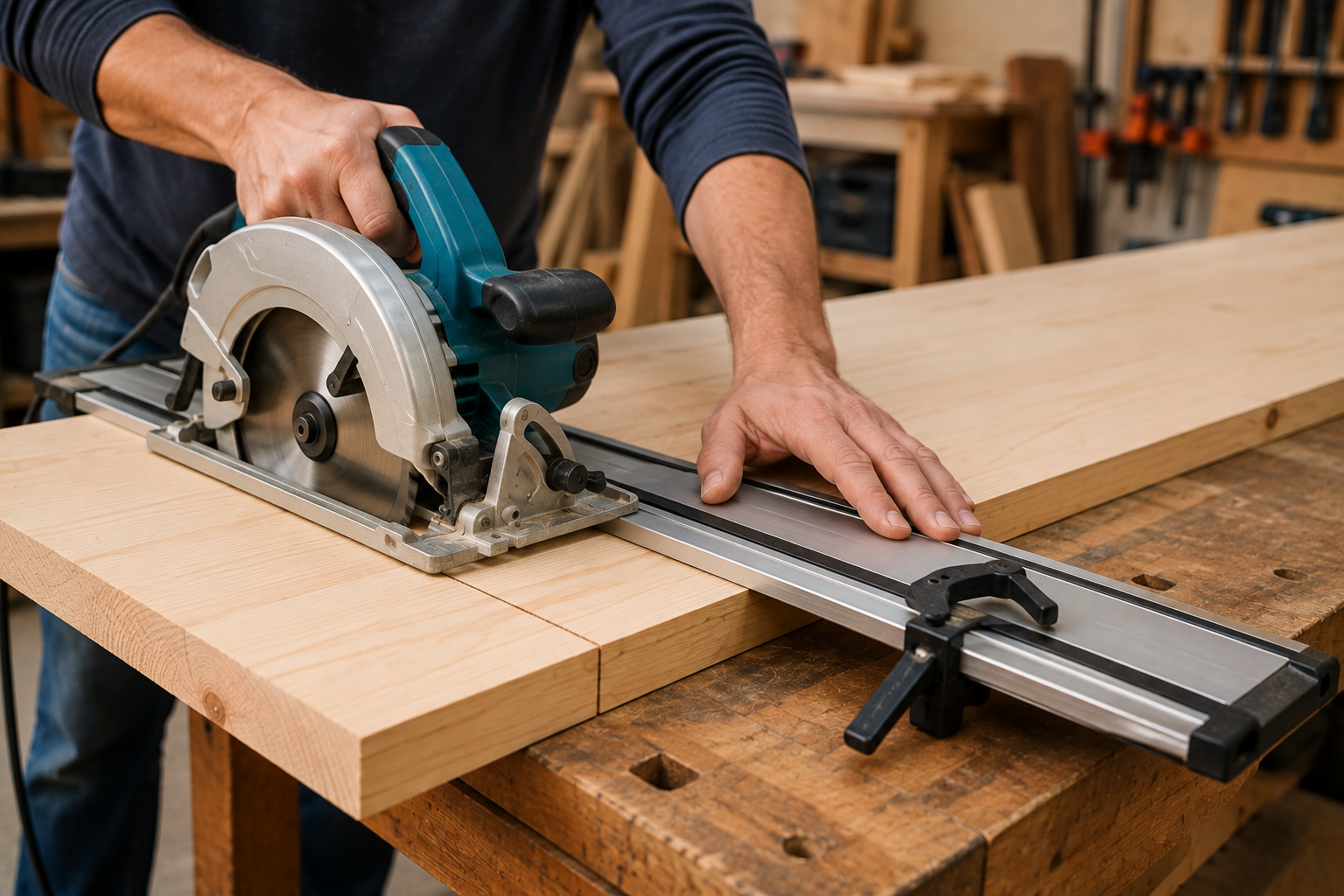
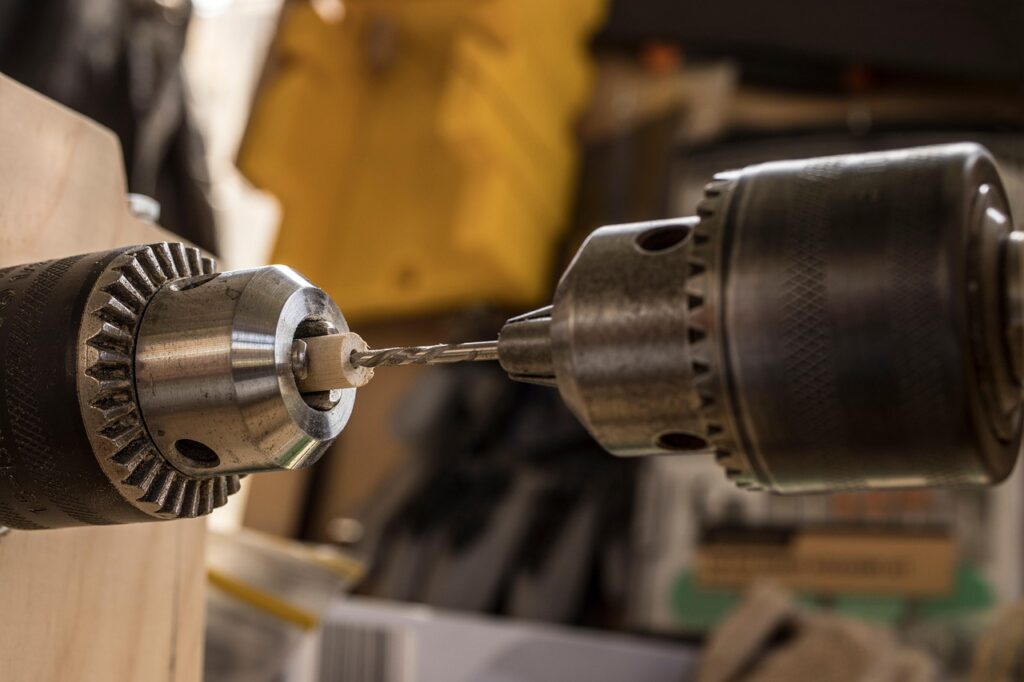
Before diving into woodworking projects, it’s crucial to have the right tools and equipment. Begin by investing in basic tools such as a hammer, tape measure, saw, chisels, and a drill. As you progress in your woodworking skills, you can add more specialized tools to your collection, like a router, table saw, and sander. Quality tools can make a significant difference in the outcome of your woodworking projects, so choose tools that are durable and suitable for your skill level.
Setting Up Your Home Woodworking Space
Creating a dedicated workspace for woodworking is essential for a smooth and organized workflow. Choose an area in your home, like a garage, basement, or spare room, where you can set up your workbench and tools. Ensure that the space is well-ventilated, well-lit, and has sufficient storage for your equipment and materials. Having a clean and clutter-free workspace will not only enhance your creativity but also make woodworking safer and more enjoyable.
Selecting the Right Wood for Your Projects
Choosing the right type of wood is a crucial aspect of woodworking. The type of wood you use will impact the appearance, durability, and overall quality of your project. Common types of wood for beginners include pine, cedar, and poplar, as they are affordable, easy to work with, and readily available at most hardware stores. Consider the project requirements when selecting wood, such as whether it needs to be sturdy for furniture or decorative for smaller crafts.
Learning Woodworking Techniques
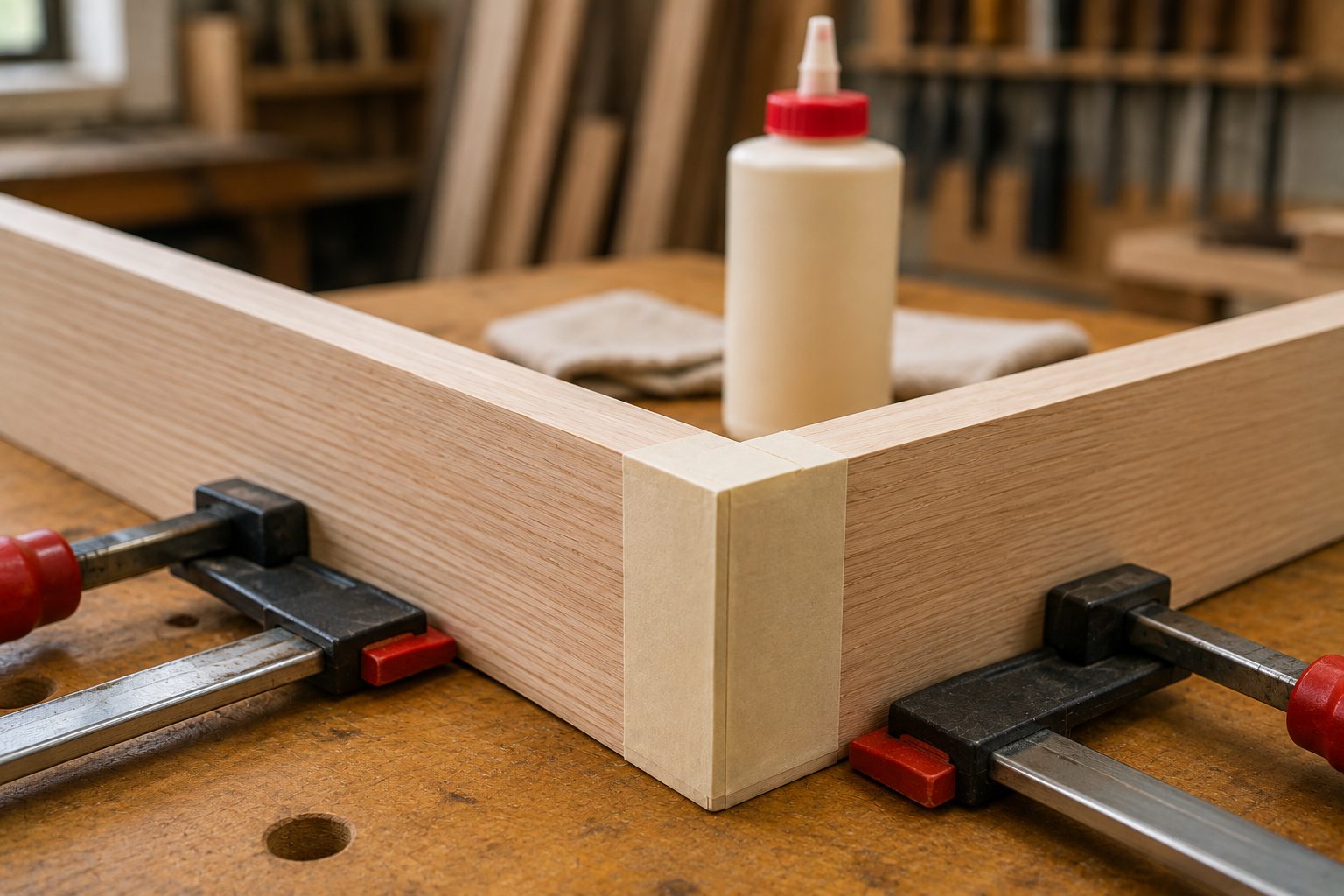
Learning basic woodworking techniques is key to successfully completing projects and honing your skills. Start by familiarizing yourself with fundamental techniques such as measuring, cutting, sanding, and joining pieces of wood together. Online resources, books, and woodworking classes can provide valuable instruction and guidance for mastering these techniques. Practice is essential, so don’t be afraid to start with simple projects and gradually work your way up to more complex creations.
Safety First in Woodworking
Safety should always be a top priority when woodworking at home. Always wear appropriate safety gear, such as goggles, ear protection, and a dust mask, to protect yourself from potential hazards. Keep your workspace clean and organized to prevent accidents, and always follow safety guidelines when using power tools. Additionally, be mindful of sharp tools, handling wood properly, and understanding the correct techniques to avoid injuries.
Enjoying the Rewards of Woodworking
Starting woodworking at home can be a fulfilling and enriching experience. The sense of accomplishment and satisfaction that comes from creating something with your own hands is truly rewarding. Whether you’re building a simple shelf, a coffee table, or a set of decorative items, each project will provide you with new skills and a sense of creativity. Embrace the learning process, be patient with yourself, and most importantly, enjoy the journey of crafting beautiful woodworking creations at home.
In conclusion, starting woodworking at home is a wonderful way to unleash your creativity, learn new skills, and enjoy the process of creating handmade items. By following the essential steps outlined in this article, you can embark on your woodworking journey with confidence and passion. Remember to prioritize safety, invest in quality tools, and most of all, have fun exploring the art of woodworking right in your own home.