
Pocket Hole Jig: Effortless Beginners’ Guide
Discover the ease and strength of woodworking with a pocket hole jig – the perfect tool for secure and seamless wood connections in your projects. Join pieces effortlessly and build with confidence as you explore the wonders of the pocket hole jig in this beginners guide.
Crafting furniture or working on DIY projects often requires joining pieces of wood together with strong and discreet connections. One of the most versatile and beginner-friendly tools for achieving this is the pocket hole jig. In this guide, we will explore the basics of using a pocket hole jig for beginners, covering everything from setting up the jig to creating sturdy joints for your woodworking projects.
Understanding the Pocket Hole Jig
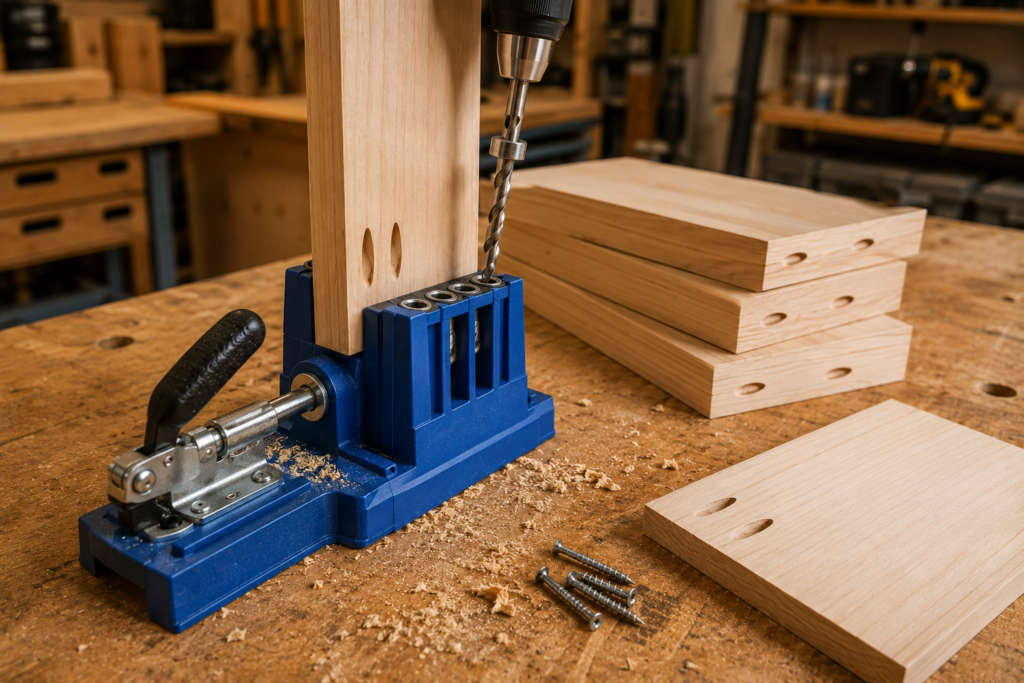
A pocket hole jig is a tool used to create pocket holes in wood at precise angles, allowing you to join pieces together securely. The basic components of a pocket hole jig typically include the jig itself, a drill bit, a clamp, and screws designed for pocket hole joinery. When using a pocket hole jig, it’s important to understand its parts and how they work together to create strong connections.
Setting Up Your Pocket Hole Jig
Before diving into your woodworking project, it’s crucial to set up your pocket hole jig correctly. Start by adjusting the jig to the desired hole depth and angle based on the thickness of the wood you are using. Secure the wood piece in place using the clamp attached to the jig to ensure stability during drilling. Additionally, make sure to use the appropriate drill bit size recommended for the screws you will be using to create the pocket holes.
Creating Pocket Holes
Once your pocket hole jig is set up, it’s time to create the pocket holes in the wood. Position the drill bit in the designated guide hole on the jig and drill into the wood according to the jig’s instructions. Be mindful of the drilling speed and pressure to avoid damaging the wood or creating uneven holes. After drilling the pocket holes, remove any wood debris and clean the area to prepare for joining the wood pieces.
Joining Wood Pieces Using Pocket Hole Joinery
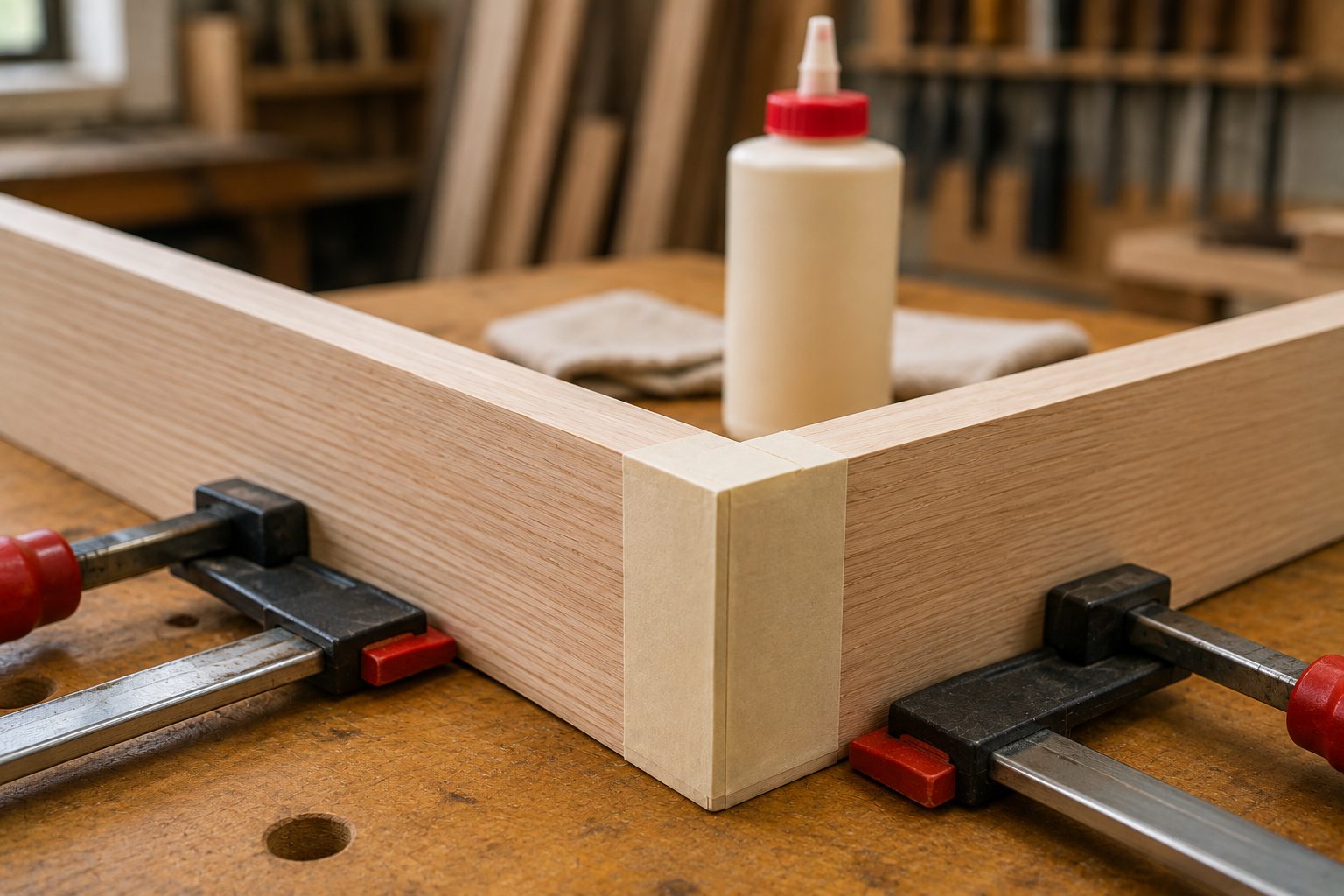
With the pocket holes created, you can now join the wood pieces together using pocket hole joinery. Apply glue along the edges of the wood pieces to be joined to enhance the strength of the joint. Align the pieces together, ensuring that the pocket holes align perfectly for the screws to be inserted. Insert the pocket hole screws into the holes and use a screwdriver or a drill to secure the pieces together firmly.
Advantages of Using a Pocket Hole Jig
One of the main advantages of using a pocket hole jig is its simplicity and effectiveness in creating strong joints quickly. Pocket hole joinery is ideal for beginners as it requires minimal woodworking skills while providing reliable results. Additionally, pocket hole joints are discreet, making them ideal for projects where visible fasteners are not desired.
Conclusion
In conclusion, learning how to use a pocket hole jig is an essential skill for beginner woodworkers and DIY enthusiasts. By understanding the basics of setting up the jig, creating pocket holes, and joining wood pieces, you can elevate your woodworking projects with sturdy and professional-looking joints. Whether you are building furniture, cabinets, or other wooden creations, mastering the art of pocket hole joinery can take your woodworking skills to the next level.