
Prevent Wood Cracking: Effortless Techniques for a Durable Finish
Learn how to protect your wood projects from unsightly cracks with these effortless techniques for wood cracking prevention. Say goodbye to structural issues and hello to a durable finish that will stand the test of time.

Wood is a versatile and popular material used in a wide range of projects, from furniture making to home improvement. One common issue that often arises when working with wood is cracking after cutting. These cracks can diminish the aesthetic appeal and structural integrity of the wood. Preventing wood from cracking after cutting requires careful handling and proper treatment. In this article, we will explore effective techniques and tips to help you preserve the quality of your woodwork.
Understanding Wood Cracking
Before diving into prevention methods, it is essential to understand why wood cracks after it’s been cut. When wood is freshly cut, it contains a significant amount of moisture. As the wood dries, moisture evaporates from the cells, causing the wood to shrink. This shrinkage can lead to stresses within the wood fibers, which, if not relieved properly, result in cracks and splits.
Proper Handling Techniques
Proper handling of wood before and after cutting is crucial in preventing cracks. Here are some key techniques to keep in mind:
-
Acclimation: Allow the wood to acclimate to the environment where it will be used. This helps the wood adjust to the humidity levels, reducing the risk of cracking.
-
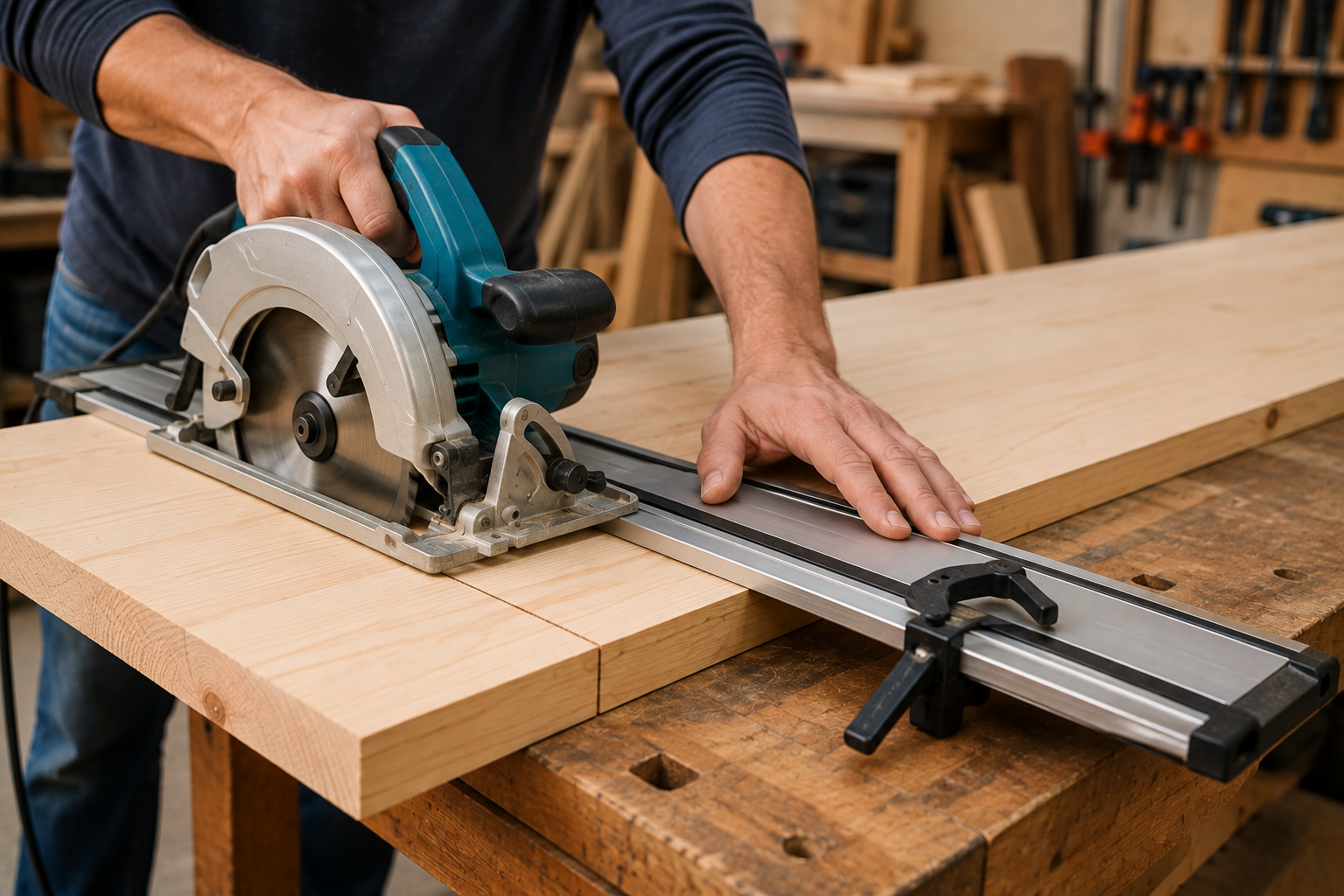
Support: Use the appropriate supports when cutting wood to prevent excessive bending or twisting, which can contribute to cracking.
-
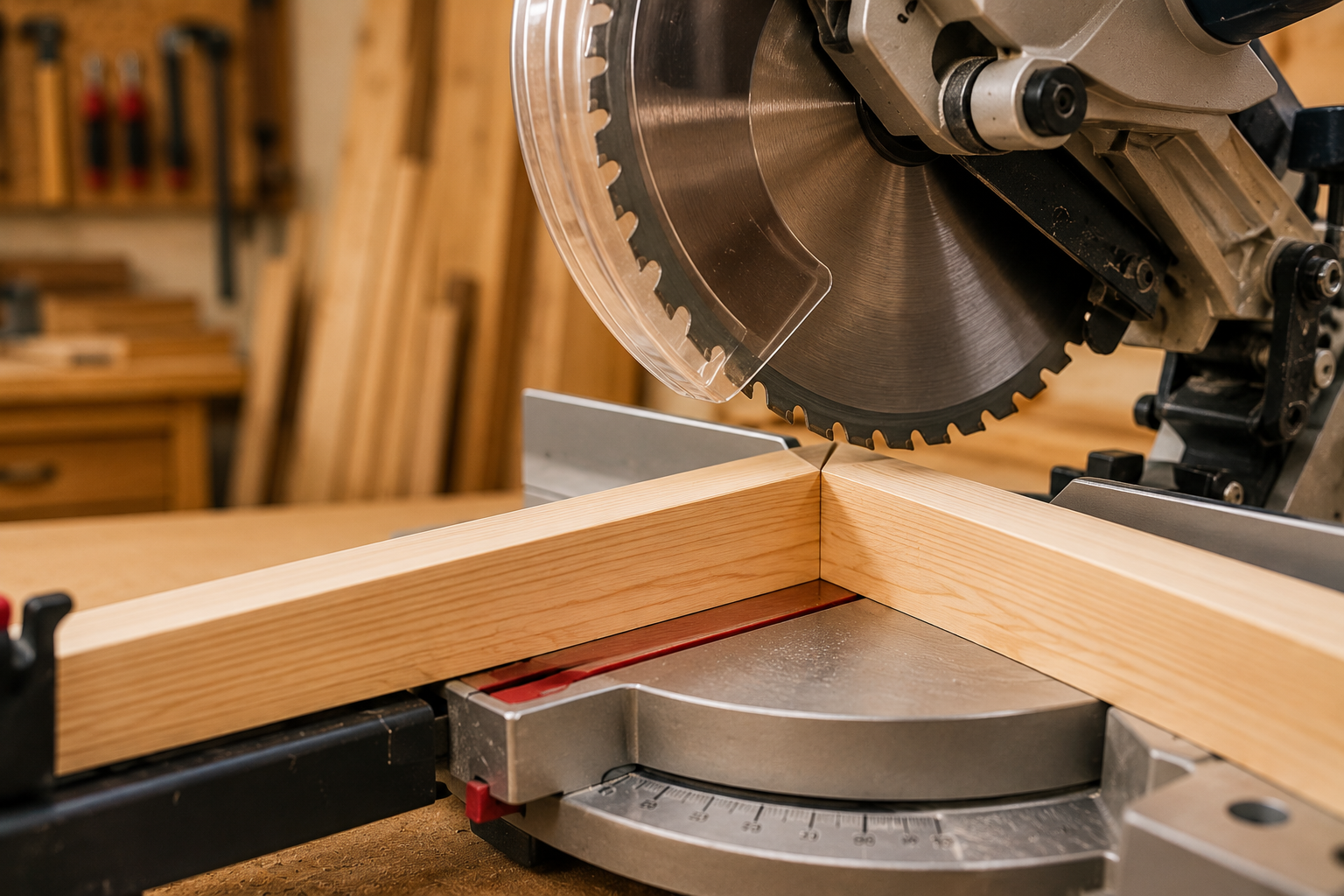
Cutting Techniques: Use sharp blades and proper cutting techniques to create clean cuts that minimize stress on the wood fibers.
Moisture Control
Controlling the moisture content of the wood is essential for preventing cracking. Here are some strategies to consider:
-
Seasoning: Properly season the wood before cutting by allowing it to air dry or using a kiln. Seasoned wood is less likely to crack as it has a lower moisture content.
-
Sealing Ends: Seal the ends of the wood with wax or paint to slow down moisture loss. This helps maintain the balance of moisture throughout the wood, reducing the chances of cracking.
Finishing and Sealing
Applying the right finish and sealant can greatly help in preventing wood cracking. Consider the following tips:
-
Sealant Selection: Choose a high-quality sealant that provides good protection against moisture absorption and UV damage.
-
Proper Application: Follow the manufacturer’s instructions for applying the finish or sealant. Ensure even coverage and sufficient drying time to allow for proper protection.
Storage and Maintenance
Proper storage and maintenance practices are essential for preserving the quality of woodwork. Here’s what you can do:
-
Storage Conditions: Store the wood in a cool, dry place with consistent humidity levels to prevent excessive drying or moisture absorption.
-
Regular Inspection: Regularly inspect the wood for any signs of cracking or damage. Address any issues promptly to prevent further deterioration.
Conclusion
Cracking wood can be a frustrating problem for woodworkers and DIY enthusiasts, but with the right techniques and preventative measures, it can be minimized or even avoided. By understanding the factors that contribute to wood cracking and implementing proper handling, moisture control, finishing, and storage practices, you can protect your woodwork and enjoy beautiful, crack-free results. Remember, taking the time to care for your wood properly will pay off in the long run with quality and durable projects.