
Router Buying Guide: Top Picks for Effortless Woodworking
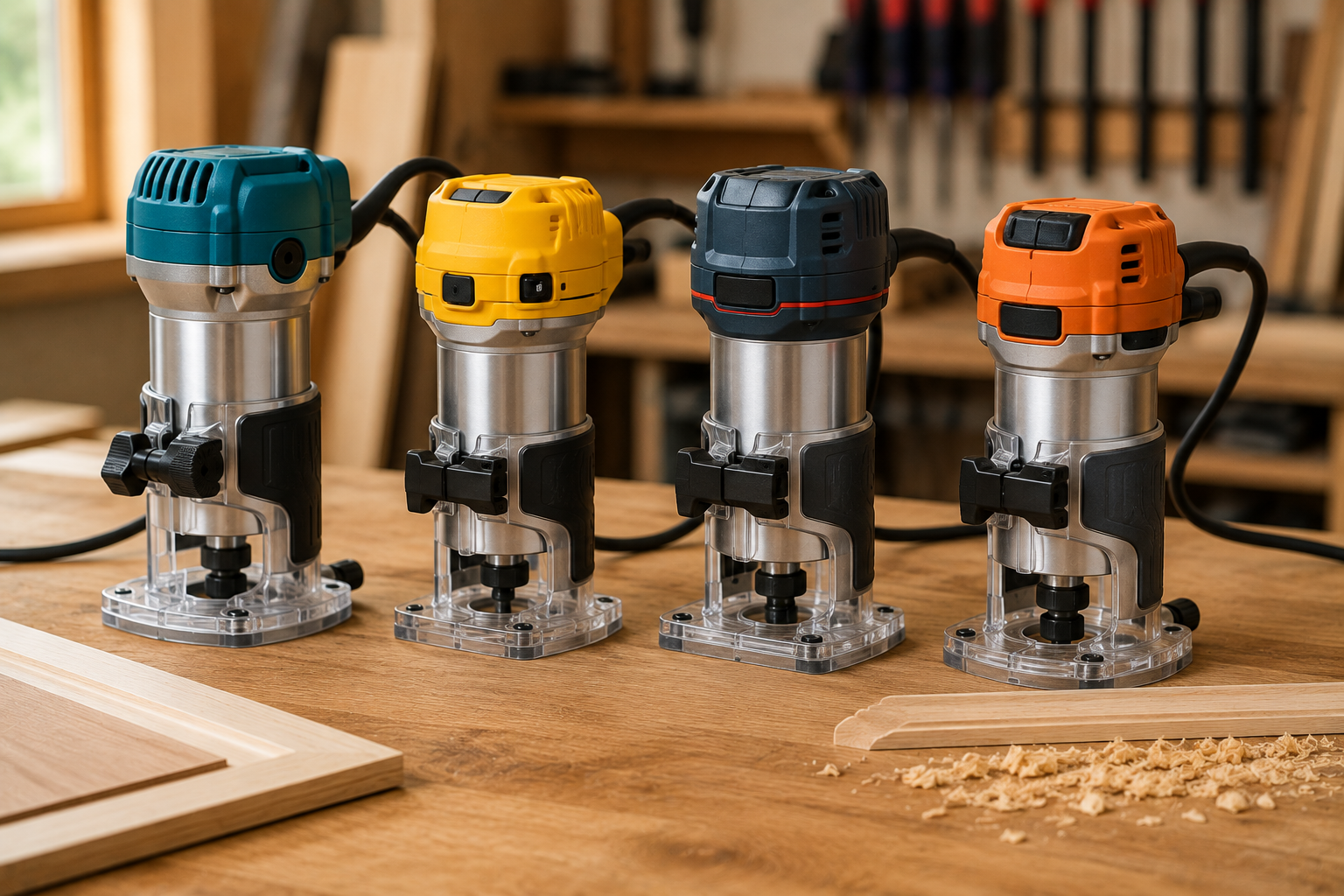
When it comes to woodworking, choosing the right tool is essential for achieving professional results. One key tool every woodworking enthusiast should have in their arsenal is the wood router. Understanding the different wood router types, such as fixed-base and plunge routers, will help you select the perfect one for your woodworking projects.
Woodworking is a timeless craft that requires precision, skill, and the right tools. Among the essential tools for any woodworking enthusiast is the router, a versatile power tool that can add intricate details and shapes to your woodworking projects. Choosing the right router for woodworking is crucial for achieving professional results and maximizing your creative potential. With a wide array of routers available in the market, it can be overwhelming to select the one that best suits your needs. In this article, we will guide you through the process of choosing the right router for woodworking, considering factors such as router types, power, features, and more.
Types of Routers:
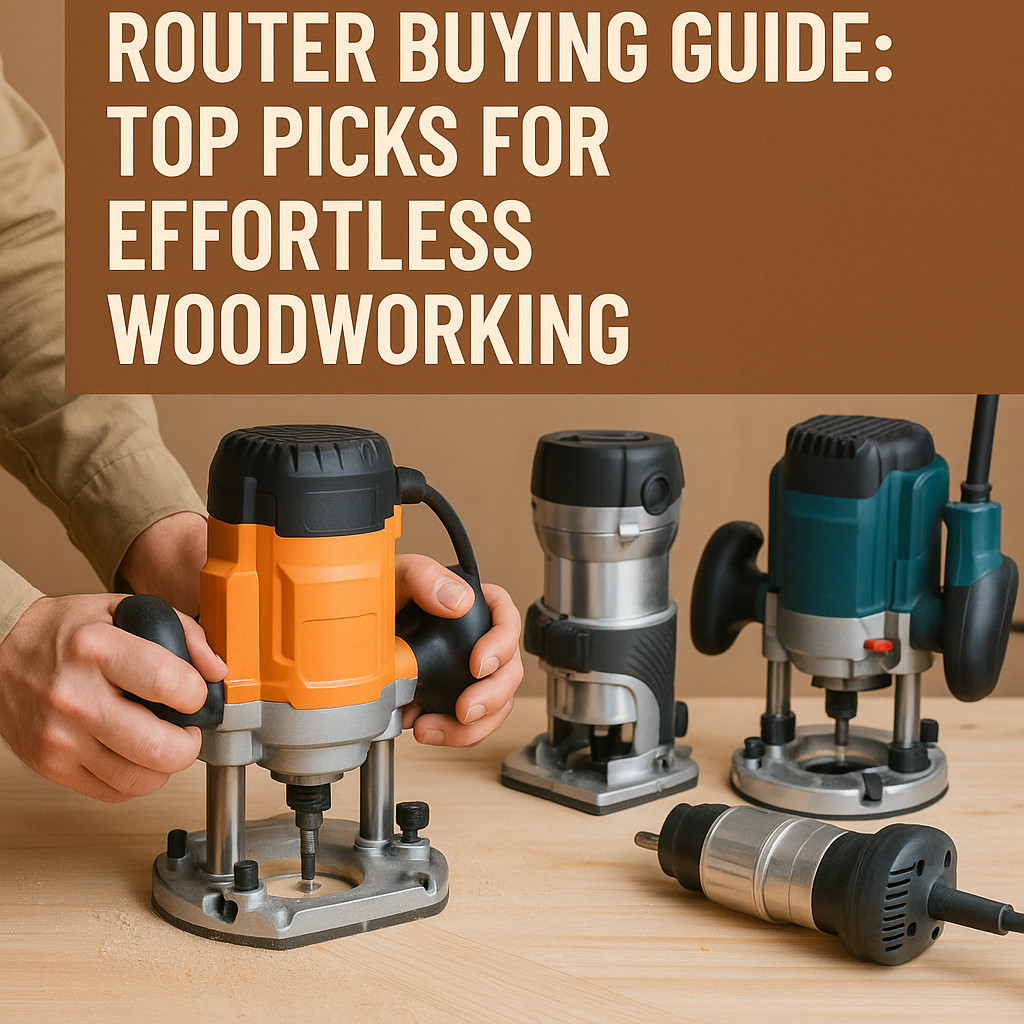
The first step in selecting the right router for your woodworking projects is understanding the different types of routers available. There are mainly two types of routers: fixed-base routers and plunge routers. Fixed-base routers are ideal for tasks that require precision and control, such as edging and dado cuts. On the other hand, plunge routers are versatile and are suitable for tasks like grooving, mortising, and intricate designs. Consider the type of woodworking projects you will be working on to determine which router type will best meet your requirements.
Power and Performance:
When it comes to choosing a router, power and performance are crucial factors to consider. Routers are available in a range of power ratings, typically measured in horsepower. Higher horsepower routers are suitable for heavy-duty tasks and can handle dense hardwoods with ease. However, if you primarily work on smaller projects or softer woods, a lower horsepower router may suffice. Additionally, consider the variable speed options of the router, as this feature allows you to adjust the cutting speed based on the material and task at hand.
Features and Accessories:
Look for routers that offer convenient features and accessories that enhance your woodworking experience. Some routers come with ergonomic handles for comfortable grip during extended use, while others may have LED lights for better visibility of the work area. Consider routers with dust collection systems to keep your workspace clean and improve visibility while working. Additionally, routers with quick-change collets and depth adjustments make it easier to switch between different bits and adjust cutting depths efficiently.
Base Plate and Compatibility:
The base plate of the router is another critical aspect to consider. The size and material of the base plate can impact the stability and precision of your cuts. Look for routers with durable and flat base plates that provide a stable platform for routing. Ensure that the router base is compatible with a variety of router bits, as different projects may require different bit sizes and profiles. Some routers come with interchangeable base plates that allow you to customize the router for specific tasks.
Budget and Brand Reputation:
Before making a purchase, establish a budget based on your woodworking needs and the features you require in a router. While it is essential to stick to your budget, avoid compromising on quality just to save a few bucks. Research reputable brands known for producing high-quality routers with reliable performance and durability. Reading customer reviews and seeking recommendations from fellow woodworkers can help you make an informed decision and choose a router that meets your expectations.
In conclusion, selecting the right router for woodworking involves considering factors such as router type, power, features, compatibility, and budget. By understanding your woodworking needs and evaluating different router options based on these factors, you can choose a router that empowers you to unleash your creativity and achieve flawless results in your woodworking projects. Remember that investing in a quality router tailored to your specific requirements is a step towards enhancing your woodworking skills and enjoying the craft to its fullest potential.