
How to Choose the Right Woodworking Clamps
Choosing the right woodworking clamps is essential for your projects to come together seamlessly. From versatile bar clamps to heavy-duty parallel clamps, explore the various options in our woodworking clamps选择指南 guide to find the perfect fit for your woodworking needs.
Woodworking is a craft that requires precision, patience, and the right tools. One essential tool that every woodworker needs in their arsenal is woodworking clamps. These handy devices are used to hold wood pieces together securely while glue dries, ensuring that your projects come out with clean, tight joints. With a wide variety of woodworking clamps available on the market, choosing the right ones can be overwhelming. In this guide, we will discuss the different types of woodworking clamps available and provide tips on how to choose the right woodworking clamps for your projects.
Types of Woodworking Clamps
-
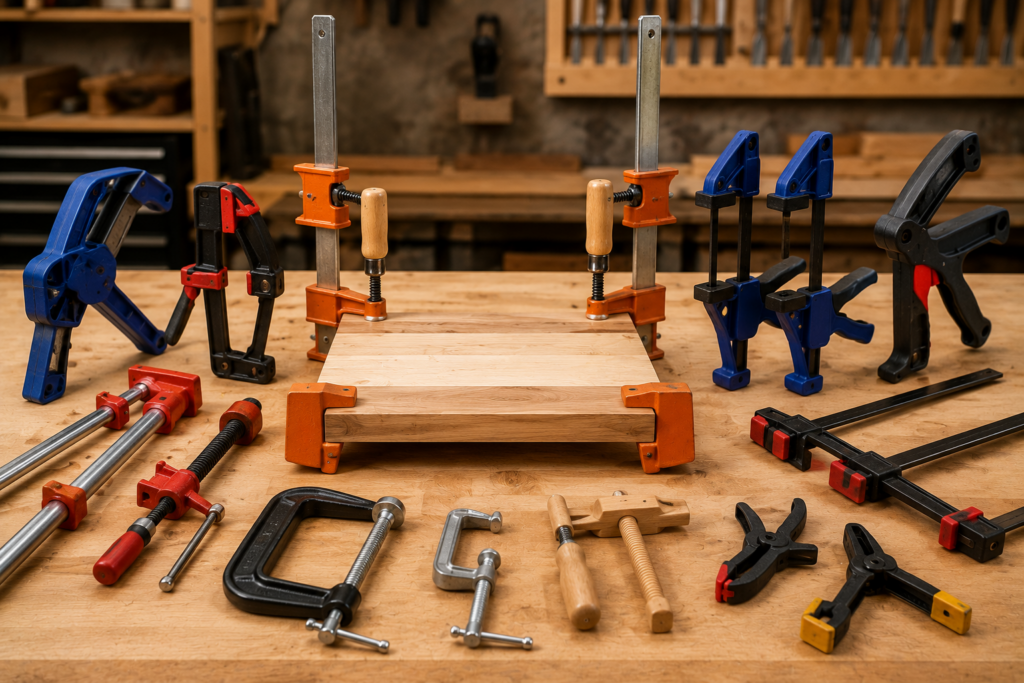
Bar Clamps: Bar clamps are versatile clamps that feature a long, steel bar with moveable jaws that can be adjusted to the desired length. They are ideal for clamping large workpieces and applying even pressure along the length of the bar. Bar clamps come in various sizes, from small 6-inch models to large 50-inch clamps, making them suitable for a wide range of projects.
-
Parallel Clamps: Parallel clamps, also known as cabinet clamps, are heavy-duty clamps designed for high-pressure applications. They have large, flat jaws that provide even pressure distribution and are excellent for edge-gluing panels and laminating tabletops. Parallel clamps are essential for professional woodworkers and serious hobbyists working on large-scale projects.
-
C-Clamps: C-clamps are versatile clamps with a C-shaped frame and a screw mechanism for tightening. They are suitable for holding small pieces together, attaching jigs and fixtures to work surfaces, and securing workpieces to a workbench. C-clamps are available in various sizes and are a cost-effective option for a woodworking beginner.
Factors to Consider When Choosing Woodworking Clamps
-
Clamping Capacity: Consider the size of the clamps you need based on the projects you typically work on. Ensure that the clamps have enough clamping capacity to accommodate the thickness of your workpieces.
-
Jaw Size and Type: Different woodworking clamps come with varying jaw sizes and types. Choose clamps with jaws that are suitable for the material and project you are working on. For delicate materials, consider clamps with non-marring jaw pads to prevent damage.
-
Clamp Pressure: The ability to apply consistent and adjustable pressure is crucial when choosing woodworking clamps. Look for clamps with ergonomic handles and smooth screw mechanisms that allow for precise pressure adjustment.
-
Durability and Construction: Invest in high-quality clamps made from durable materials such as steel or aluminum. Quality woodworking clamps are built to last and withstand the rigors of woodworking projects.
-
Ease of Use: Select clamps that are easy to operate and adjust. Features such as quick-release mechanisms and one-handed operation can make your woodworking projects more efficient and enjoyable.
Choosing the right woodworking clamps is essential for the success of your woodworking projects. By understanding the different types of clamps available and considering factors such as clamping capacity, jaw size, clamp pressure, durability, and ease of use, you can select the perfect clamps for your specific needs. Investing in high-quality woodworking clamps will not only improve the quality of your projects but also enhance your woodworking experience. So, whether you are a beginner or a seasoned woodworker, selecting the right woodworking clamps is a crucial step towards achieving woodworking perfection.