
Ventilation Ideas: Best Solutions for Your Woodworking Shop
Discover the best woodworking ventilation solutions to keep your workshop safe and comfortable. From utilizing natural airflow with windows and doors to installing exhaust fans and a dust collection system, creating a well-ventilated space is key to enjoying your woodworking projects.

Woodworking is a fulfilling and creative hobby or profession that requires a well-ventilated workspace to ensure a safe and comfortable environment. Proper ventilation in a woodworking shop is crucial to maintain air quality by removing dust, fumes, and other airborne particles that can be harmful to your health. In this article, we will explore some of the best ventilation ideas for a woodworking shop to help you create a safer and more enjoyable workspace.
Importance of Ventilation in a Woodworking Shop
Ventilation is essential in a woodworking shop to prevent the accumulation of dust and harmful fumes. Dust generated from cutting, sanding, and shaping wood can pose serious health risks when inhaled regularly. Additionally, certain types of wood may release toxic fumes when heated or burned, making proper ventilation critical for a safe working environment.
Natural Ventilation Solutions
-
Windows and Doors: Utilize windows and doors to allow natural airflow in your woodworking shop. Position them strategically to create cross ventilation, which helps to carry dust and fumes out of the workspace.
-
Roof Vents: Installing roof vents can help to draw hot air and fumes up and out of the shop, improving air circulation. Consider adding adjustable vents to control airflow based on your needs.
Mechanical Ventilation Options
-
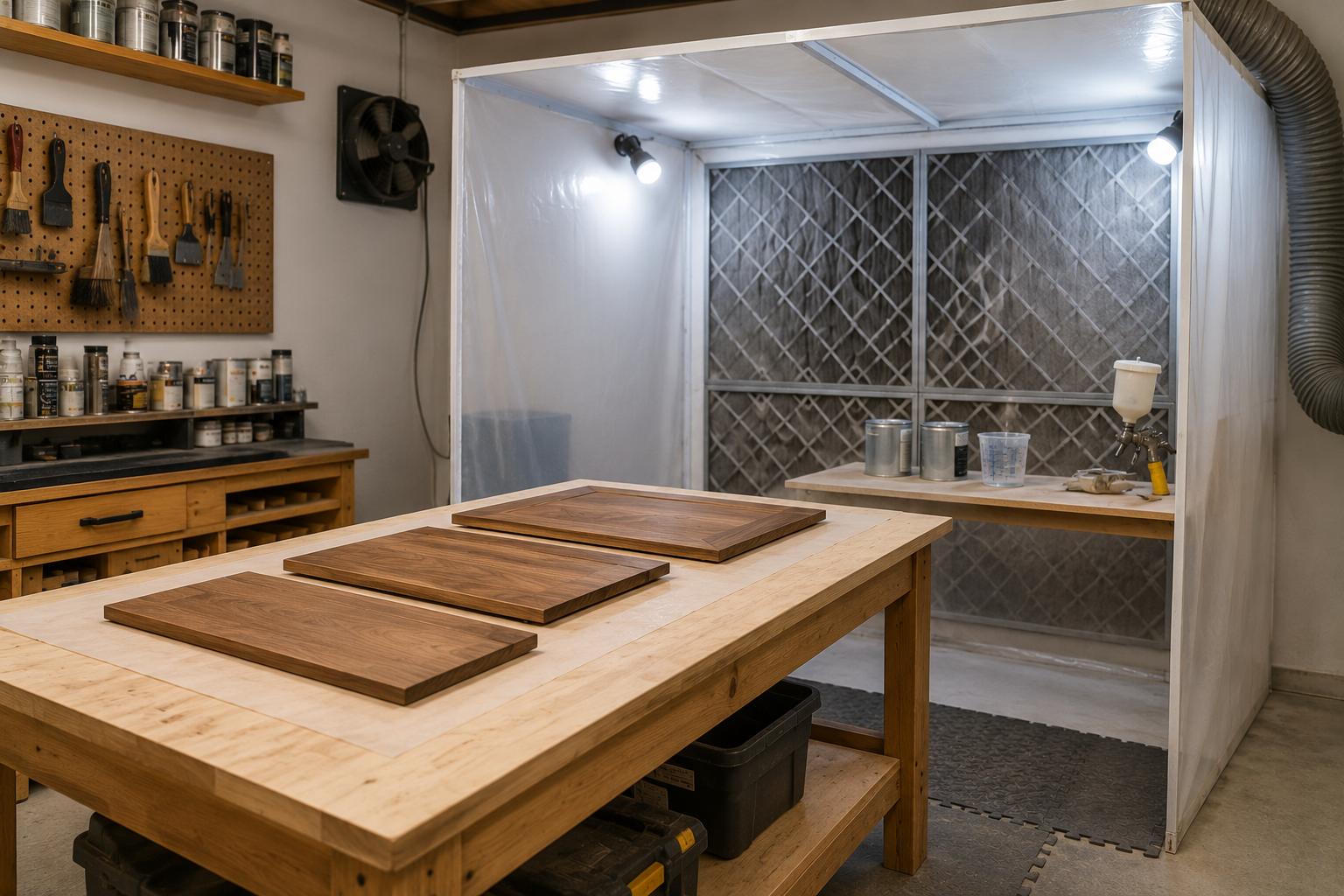
Exhaust Fans: Install exhaust fans near workstations or in areas where dust and fumes are concentrated. Exhaust fans help to remove contaminated air and replace it with fresh air from outside.
-
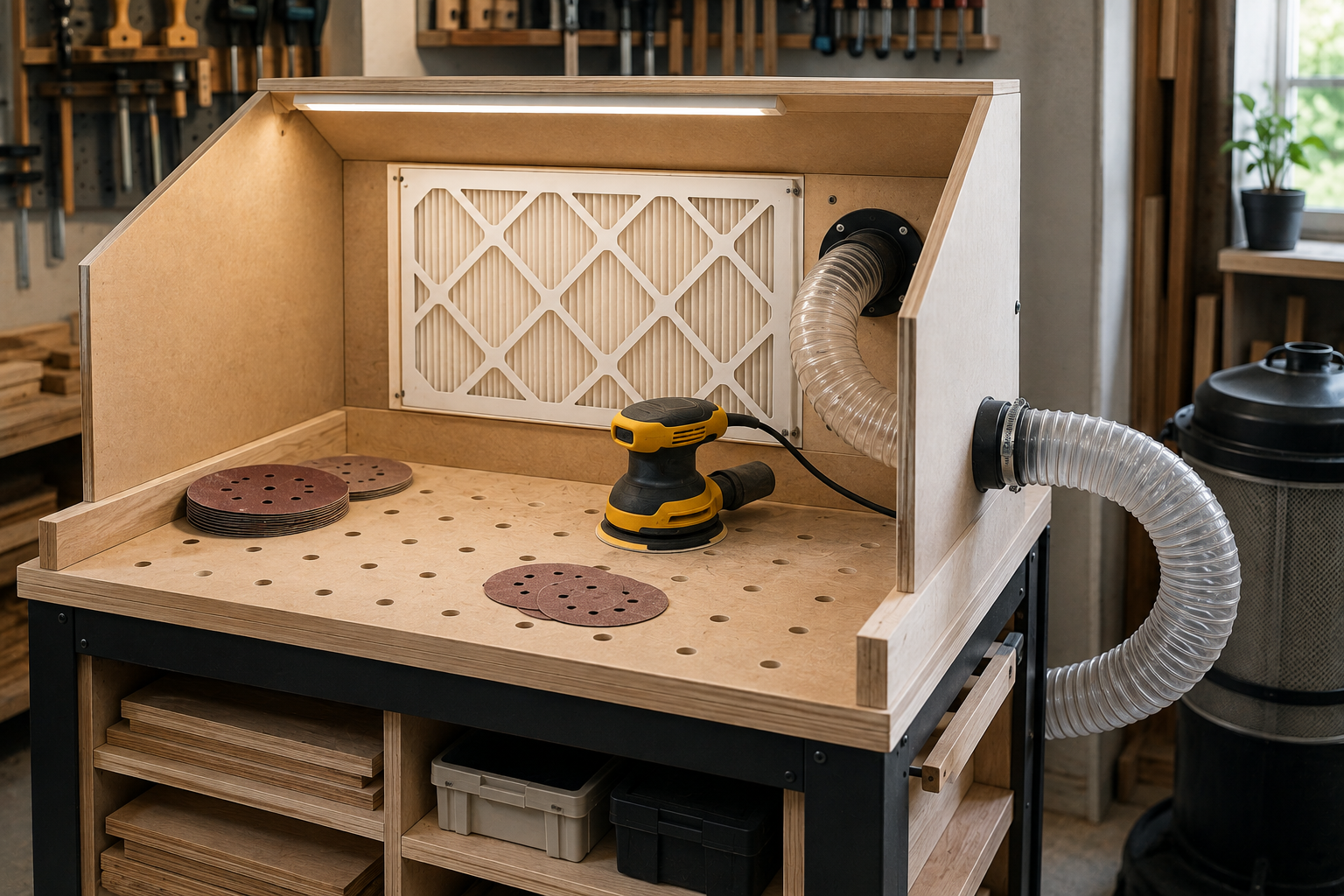
Dust Collection System: Invest in a dust collection system with a powerful vacuum and filtration system. Connect the system to your woodworking tools to capture dust before it circulates in the air.
Air Filtration Devices
-
Air Purifiers: Use portable air purifiers equipped with HEPA filters to remove fine dust particles and allergens from the air in your woodworking shop. Place them strategically for optimal air filtration.
-
Air Scrubbers: Consider using air scrubbers with carbon filters to eliminate odors and chemical fumes. Air scrubbers are effective at trapping airborne particles and improving indoor air quality.
Additional Tips for Better Ventilation
-
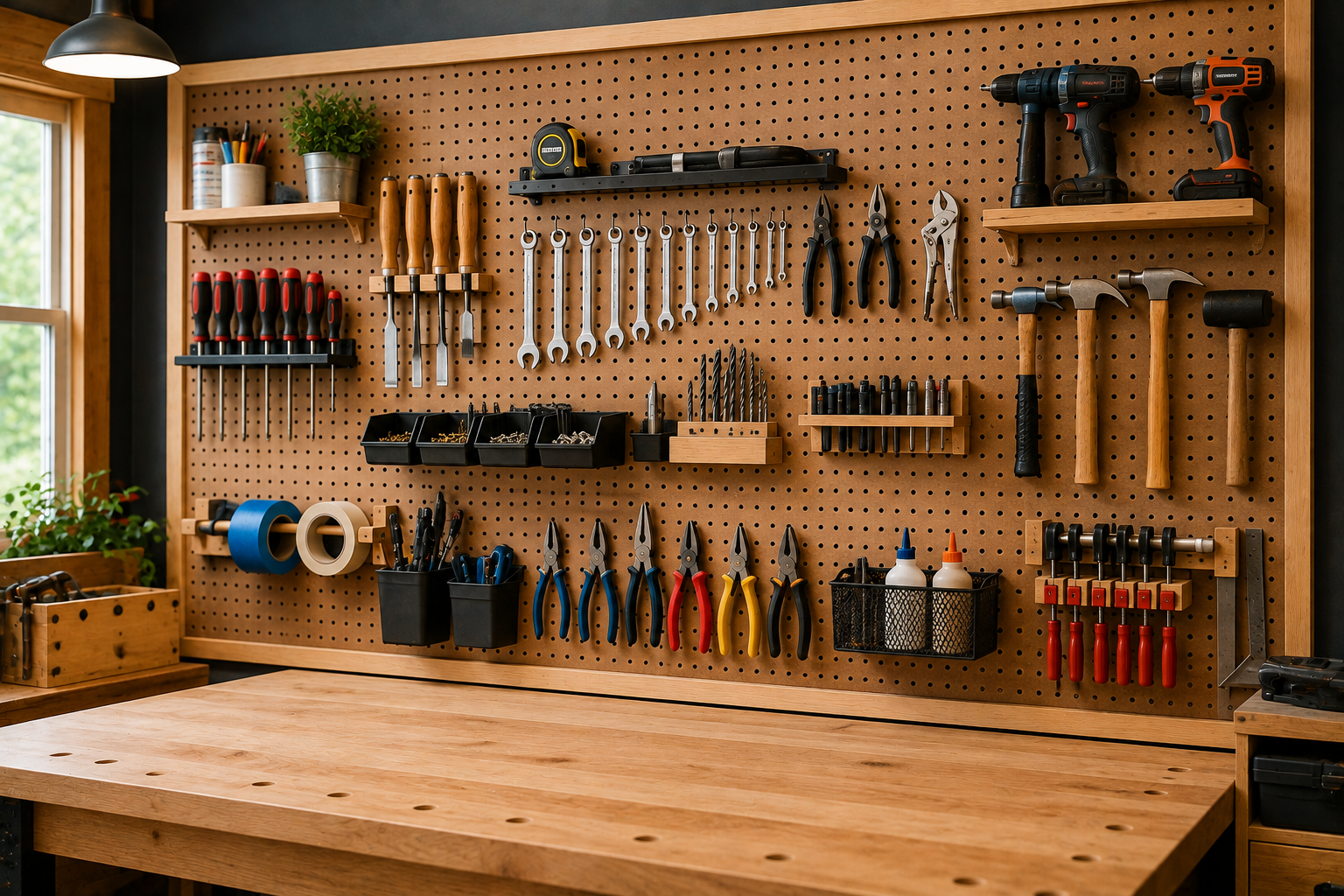
Maintain Cleanliness: Regularly clean your woodworking tools, surfaces, and floors to minimize the buildup of dust and debris in your shop.
-
Wear Personal Protective Equipment (PPE): Always wear appropriate PPE, such as dust masks, goggles, and gloves, to protect yourself from inhaling harmful particles and fumes.
In conclusion, implementing effective ventilation solutions in your woodworking shop is essential for creating a safe and healthy workspace. By utilizing a combination of natural ventilation methods, mechanical ventilation options, and air filtration devices, you can ensure better air quality and a more enjoyable woodworking experience. Prioritizing ventilation in your shop not only safeguards your health but also enhances the overall efficiency and comfort of your woodworking projects.