
Small Woodworking Shop: Insider Tips for Effortless Setup
Setting up a small woodworking shop? Dive into our insider tips for effortless setup and watch your passion for woodworking flourish in a well-organized and functional space perfect for your craft.

Creating a Small Woodworking Shop: Essential Steps and Tips for Success
Are you passionate about woodworking and eager to set up your own small woodworking shop? Setting up a woodworking shop, whether as a hobbyist or a budding entrepreneur, requires careful planning and organization. From selecting the right tools and equipment to designing an efficient workspace, there are many factors to consider in order to create a functional and inspiring woodworking shop. In this guide, we will walk you through the essential steps and tips for setting up a small woodworking shop that suits your needs and maximizes your productivity.
Planning Your Woodworking Space
Before diving into setting up your woodworking shop, it’s important to plan and design your workspace. Start by determining the available space you have for your shop. Consider factors such as natural lighting, ventilation, and proximity to power outlets. Sketch out a layout that includes designated areas for different woodworking activities such as cutting, sanding, and assembly. Organizing your space efficiently will enhance workflow and make the most of your shop’s square footage.
Choosing the Right Tools and Equipment
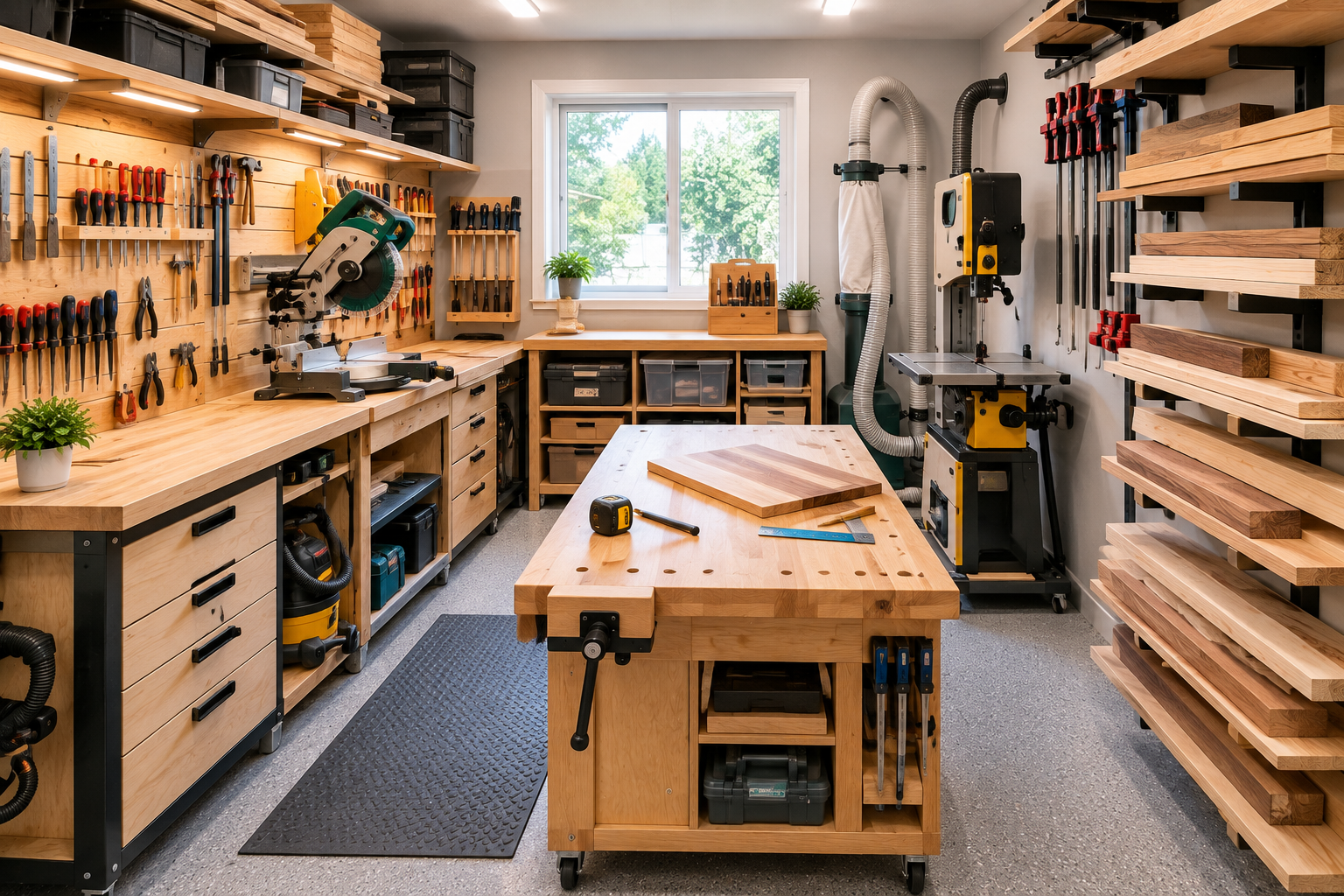
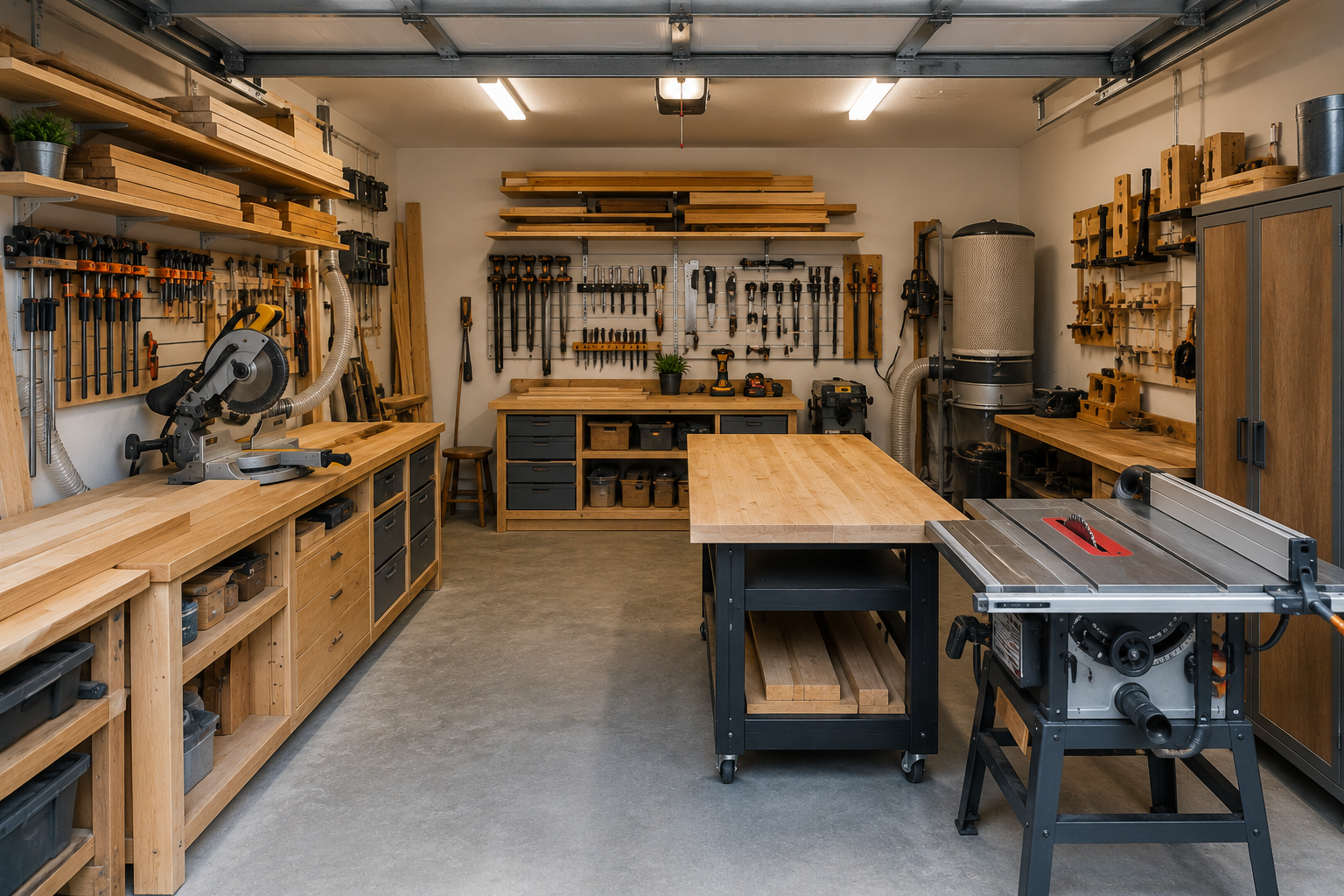
One of the critical aspects of setting up a woodworking shop is selecting the right tools and equipment. Begin with the basics such as a table saw, a band saw, a jointer, a planer, and a good quality workbench. Invest in high-quality tools that will last and perform well. Consider the type of woodworking projects you plan to undertake and choose tools that align with your needs. Additionally, prioritize safety equipment such as goggles, ear protection, and dust masks to ensure a safe working environment.
Organizing Your Workspace
Effective organization is key to a productive woodworking shop. Implement storage solutions such as shelving, cabinets, and tool chests to keep your tools and supplies organized and easily accessible. Utilize pegboards or wall-mounted racks to store hand tools and keep your workspace clutter-free. Label storage containers and drawers for easy identification of tools and materials. A well-organized shop will not only save you time but also boost your creativity and efficiency.
Setting Up a Dust Collection System
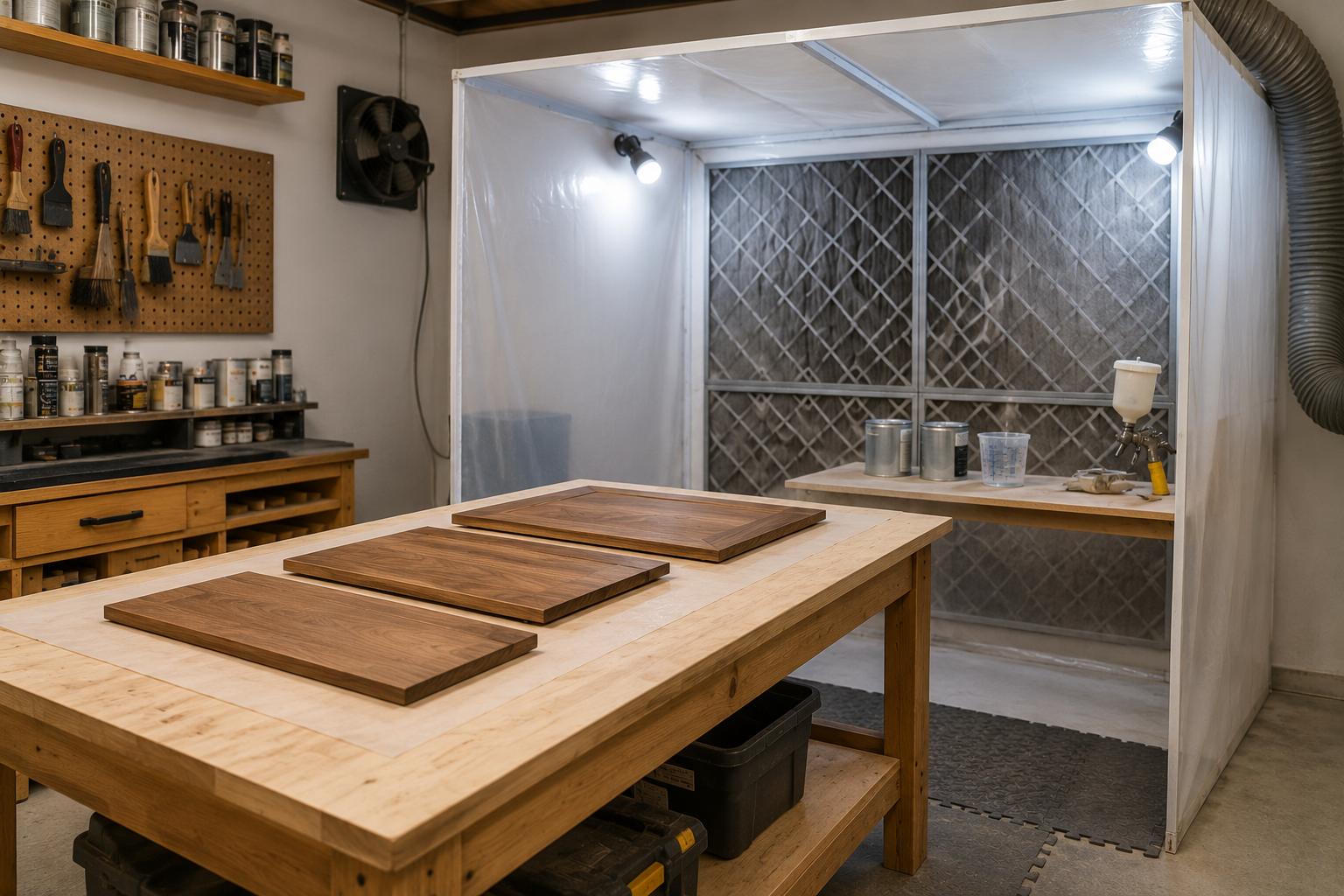
Woodworking generates a considerable amount of dust and debris, which can not only be a nuisance but also pose health risks. Setting up a dust collection system is essential for maintaining a clean and healthy workspace. Invest in a dust collector or shop vacuum with a well-designed filtration system to capture airborne particles efficiently. Position the dust collector strategically to capture dust at the source, such as near the table saw or sander. Regularly clean and maintain your dust collection system to ensure optimal performance.
Creating a Comfortable Work Environment
A comfortable work environment is crucial for enjoying your time in the woodworking shop. Consider factors such as lighting, temperature control, and ergonomic workstations to enhance your comfort and productivity. Adequate lighting is essential for precision work, so invest in bright, adjustable lighting fixtures for your shop. Maintain a comfortable temperature with proper insulation and heating or cooling systems. Ensure that your workbenches and tools are positioned at comfortable heights to prevent strain and fatigue during long hours of woodworking.
Conclusion
Setting up a small woodworking shop requires careful planning, organization, and attention to detail. By following the essential steps outlined in this guide, you can create a functional and inspiring workspace that enhances your woodworking experience. Remember to plan your space efficiently, choose the right tools and equipment, organize your workspace effectively, set up a dust collection system, and prioritize your comfort. With a well-designed woodworking shop, you can unleash your creativity and passion for woodworking while enjoying a safe and productive environment.