
Safe Woodworking Workspace: Essential Tips for Creating a Secure and Productive DIY Haven
Creating a safe woodworking workspace at home is crucial for your peace of mind and enjoyment of the craft. By implementing essential woodworking safety measures, you can focus on honing your skills and crafting beautiful pieces without worry.
Woodworking is a rewarding and fulfilling hobby that allows individuals to create beautiful and functional pieces of furniture and decor. However, it’s essential to prioritize safety when setting up a woodworking workspace at home. Creating a safe environment not only protects you from accidents but also enhances the enjoyment of woodworking. By following some key guidelines and implementing safety measures, you can ensure that your home woodworking space is both functional and secure.
Importance of Woodworking Workspace Safety
Safety should be the top priority when setting up a woodworking workspace at home. Woodworking involves various hazards, such as sharp tools, heavy machinery, and wood dust, which can pose risks if proper precautions are not taken. By establishing a safe environment, you can prevent accidents and injuries, allowing you to focus on honing your woodworking skills without worry.
Designing Your Woodworking Workspace
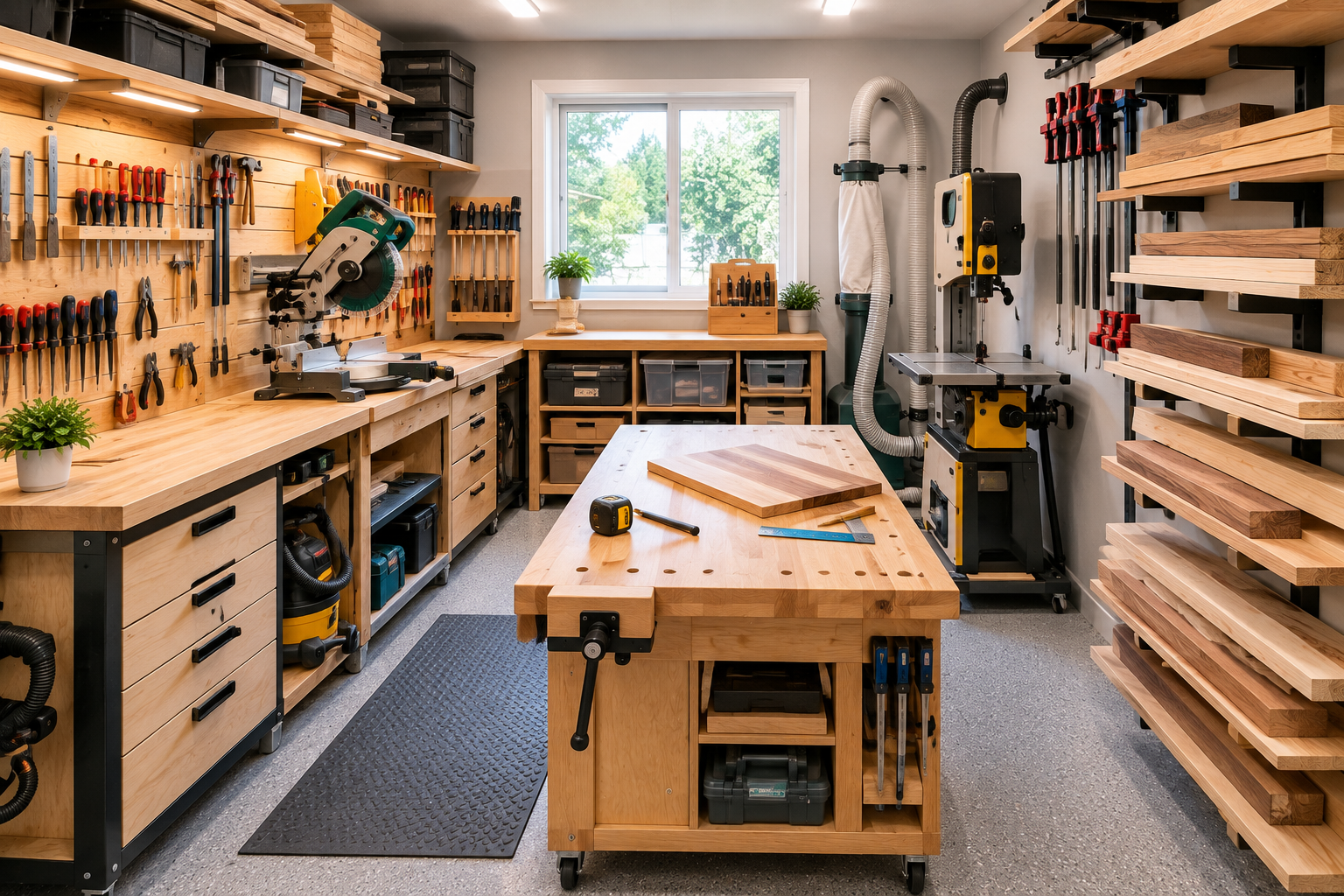
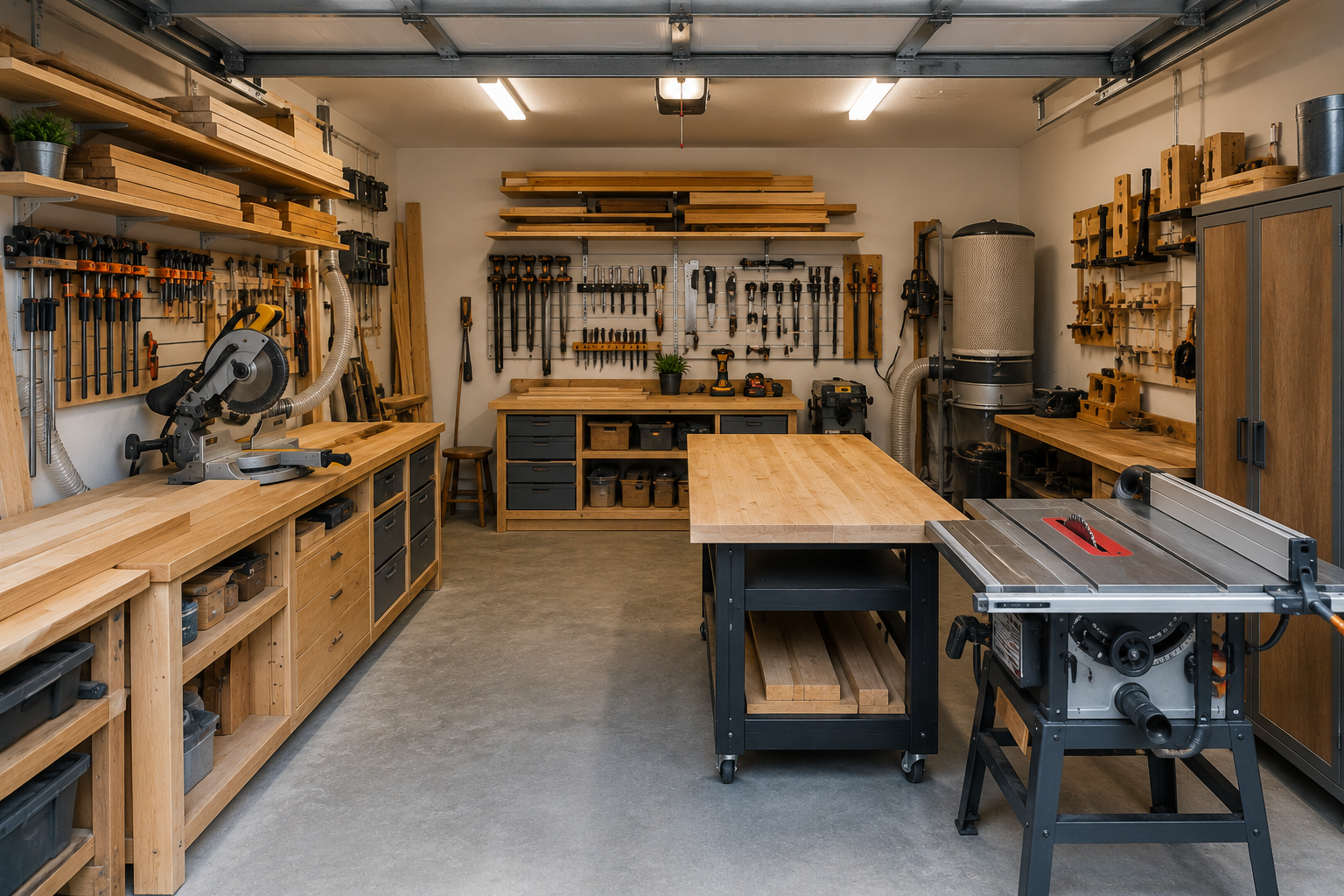
The layout and design of your woodworking space play a crucial role in ensuring safety. Start by choosing a well-ventilated area with sufficient lighting and ample space to move around comfortably. Clear any clutter and ensure that your tools and machinery are properly organized and easily accessible. Consider installing anti-fatigue mats to reduce strain on your feet and legs during long woodworking sessions.
Essential Safety Equipment
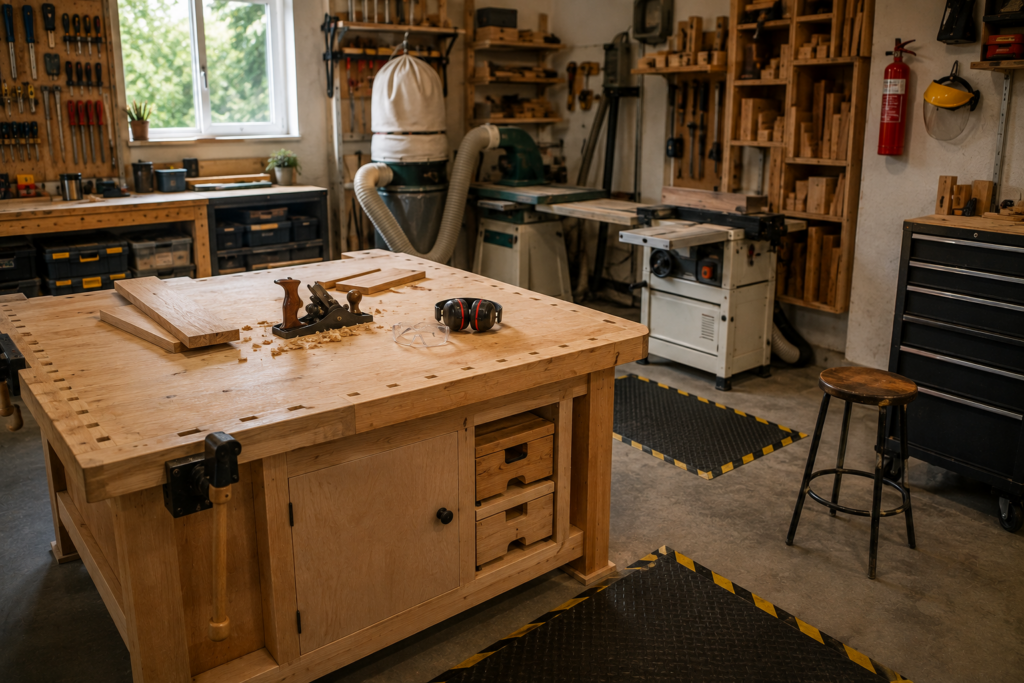
Equipping your woodworking workspace with the necessary safety gear is key to preventing accidents. Some essential safety equipment includes safety goggles to protect your eyes from flying wood chips, ear protection to reduce noise from power tools, and a dust mask to shield against wood dust particles. Additionally, wearing appropriate clothing, such as long sleeves and closed-toe shoes, can provide an extra layer of protection.
Tool Safety and Maintenance
Proper maintenance of your woodworking tools is essential for ensuring both their longevity and your safety. Regularly inspect your tools for any signs of damage or wear and tear, and promptly replace any faulty parts. Keep your cutting tools sharp, as dull blades can cause kickback and lead to accidents. Always follow the manufacturer’s guidelines for tool usage and never operate machinery without proper training.
Fire Safety Precautions
Woodworking involves the use of various flammable materials, making fire safety a critical consideration. Keep a fire extinguisher within reach of your workspace and familiarize yourself with its proper usage. Avoid smoking in the workshop and store flammable liquids in a separate, well-ventilated area away from heat sources. Additionally, install a smoke alarm to alert you in case of fire.
Creating a Dust-Free Environment
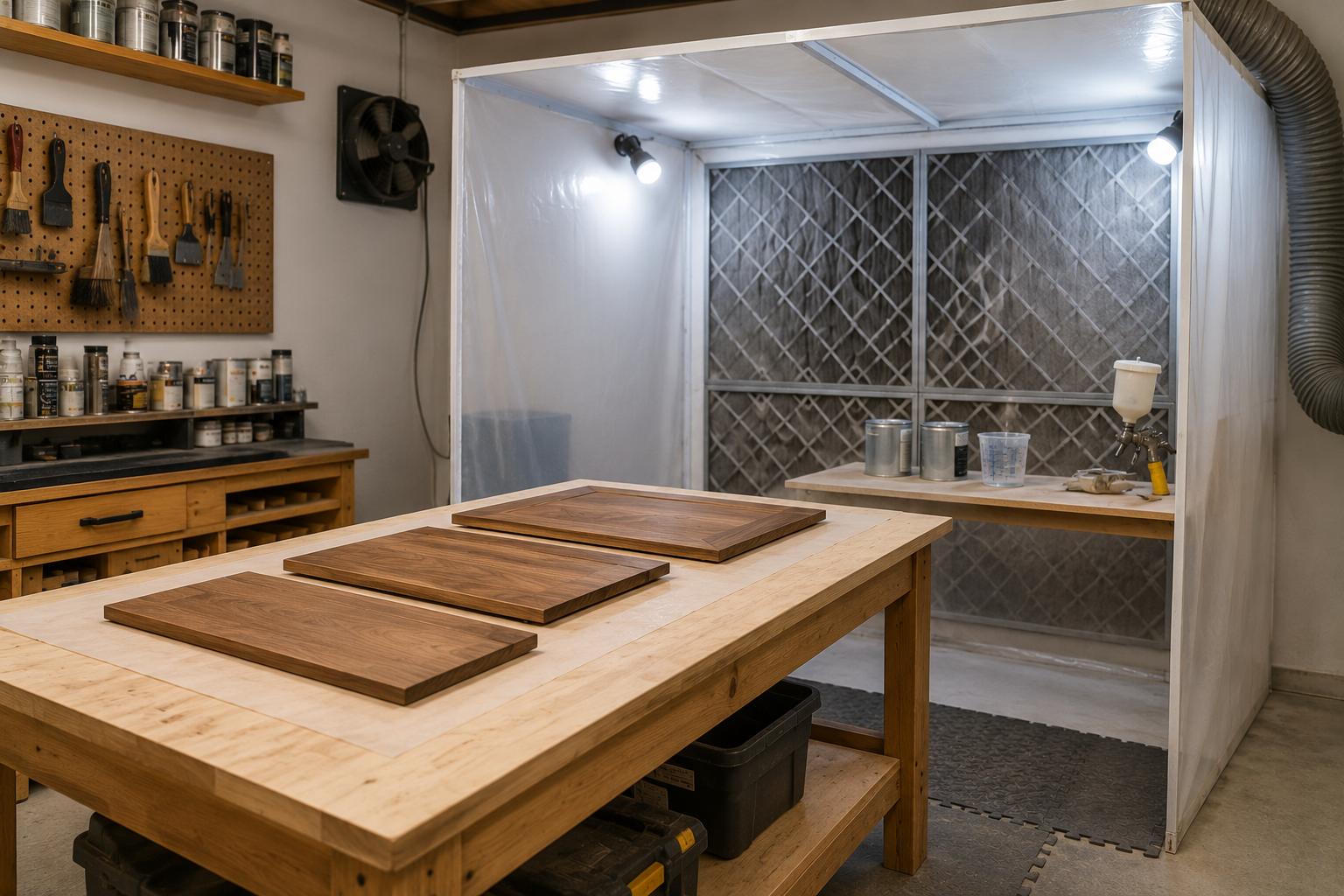
Wood dust generated during woodworking can pose respiratory hazards if inhaled. To minimize dust buildup in your workspace, consider installing a dust collection system or using a shop vacuum with a HEPA filter. Regularly clean your tools and surfaces to prevent dust accumulation and wear a dust mask when sanding or cutting wood. Proper ventilation is crucial to maintaining air quality in your woodworking space.
Continuous Learning and Improvement
Safety in woodworking is an ongoing process that requires constant learning and improvement. Stay updated on best practices for woodworking safety through online resources, workshops, and woodworking forums. Take the time to educate yourself on new techniques and safety guidelines to enhance your skills and minimize risks in your woodworking endeavors.
In conclusion, creating a safe woodworking workspace at home is essential for protecting yourself and others while enjoying this creative hobby. By implementing proper safety measures, maintaining your tools, and staying informed, you can create a secure environment that enhances your woodworking experience. Remember, safety should always come first in woodworking, ensuring that your projects are completed with precision and peace of mind.