
Prevent Wood Splitting: Effortless Tips for Screwing Success
Say goodbye to wood splitting woes with our effortless tips for preventing wood splitting when screwing. Keep your woodworking projects intact and visually pleasing by following these strategies and techniques.
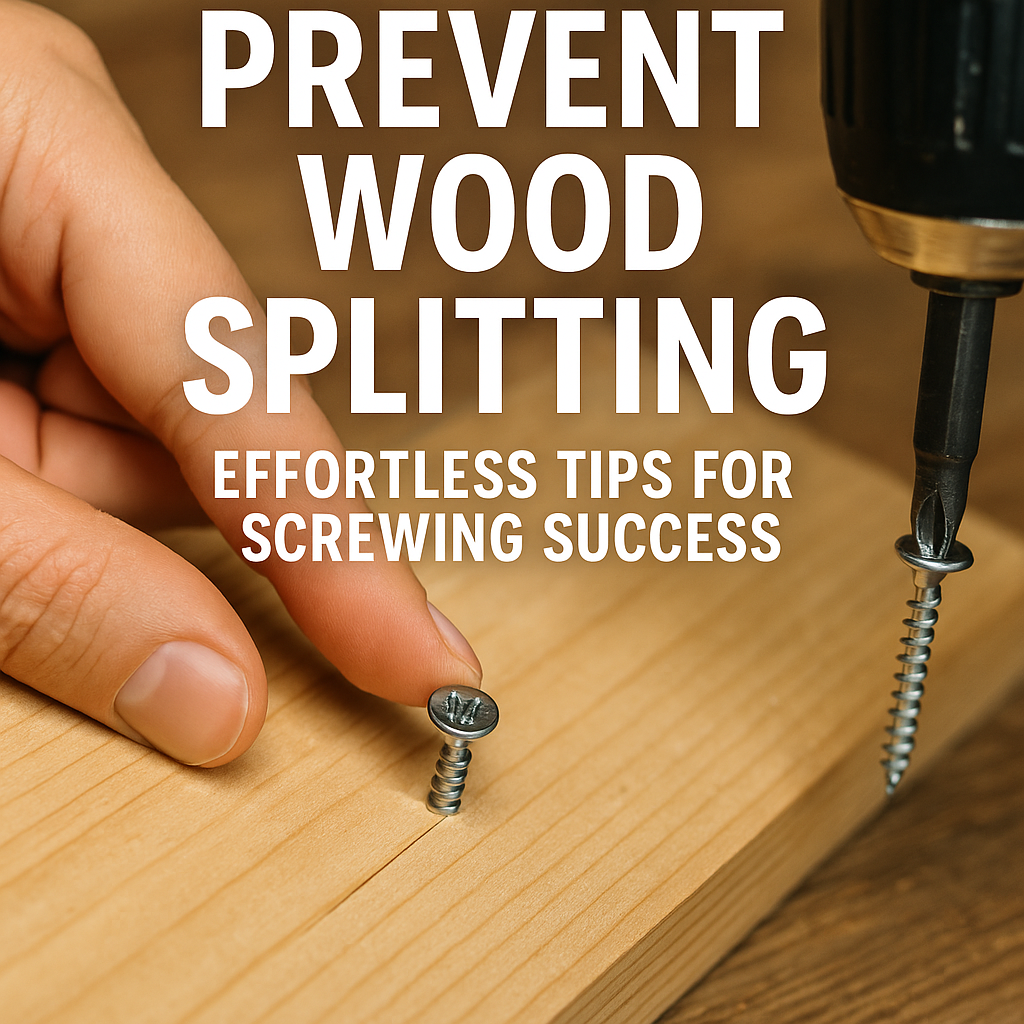
Wood splitting can be a frustrating issue that many DIY enthusiasts and woodworking hobbyists encounter when working on various projects involving screws. The sound of wood splitting when driving a screw can be disheartening, especially after putting effort into a project. However, with the right techniques and precautions, it is possible to prevent wood splitting and achieve professional-looking results. In this article, we will discuss effective strategies and tips on how to prevent wood splitting when screwing, ensuring your woodworking projects stay intact and visually appealing.
Understanding the Factors Leading to Wood Splitting
Before diving into prevention methods, it’s essential to understand the factors that contribute to wood splitting when driving screws. Wood species, density, moisture content, and the type of screws used all play a role in determining the likelihood of wood splitting. Softwoods like pine are more prone to splitting than hardwoods due to their softer nature. Additionally, wood with high moisture content or internal stresses is more susceptible to splitting when screws are inserted.
Selecting the Right Screws
Choosing the correct screws for your woodworking project can significantly impact the likelihood of wood splitting. Opt for screws with sharp points and threads that are designed for wood applications. Coarse-threaded screws provide better grip and are less likely to cause splitting compared to fine-threaded screws. It’s also important to consider the length of the screws; using screws that are too long increases the risk of splitting, as they may extend through the wood or put excessive pressure on the fibers.
Pre-Drilling Pilot Holes
One of the most effective ways to prevent wood splitting when screwing is to pre-drill pilot holes. Pilot holes are small diameter holes drilled into the wood before inserting the screws. These holes provide a pathway for the screw to follow, reducing the amount of pressure exerted on the wood fibers and minimizing the risk of splitting. Ensure that the pilot hole diameter is slightly smaller than the screw diameter to provide a snug fit.
Countersinking the Screws
Countersinking involves creating a shallow depression in the wood to accommodate the screw head. By countersinking the screws, you can ensure that the screw head sits flush with or below the surface of the wood. This technique not only prevents splintering and splitting but also helps achieve a professional finish. Use a countersinking tool or a larger drill bit to create the recess for the screw head before driving in the screw.
Using Lubrication
Applying a lubricant such as beeswax or soap on the threads of the screw before driving it into the wood can reduce the friction and resistance, making it easier to insert the screw without causing splitting. The lubricant also helps the screw glide smoothly through the wood fibers, minimizing the risk of damage. Be sure to wipe off any excess lubricant after screwing to maintain the wood’s appearance.
Avoiding Over-Tightening
Over-tightening screws can exert excessive pressure on the wood, leading to splitting and damage. Use a torque-limiting screwdriver or drill to ensure that you do not overtighten the screws. Once the screw head reaches the surface of the wood, stop turning to prevent unnecessary stress on the wood fibers. Properly tightened screws provide secure fastening without compromising the integrity of the wood.
Conclusion
Preventing wood splitting when screwing is essential to achieving professional-looking woodworking projects. By understanding the factors that contribute to wood splitting and implementing the appropriate techniques such as pre-drilling pilot holes, selecting the right screws, countersinking, using lubrication, and avoiding over-tightening, you can minimize the risk of wood damage and ensure your projects remain intact. Incorporate these preventive measures into your woodworking practices to create durable and visually appealing creations without the frustration of wood splitting.