
Efficient Woodworking Workshop Layout: Best Tips for Easy Success
Designing the perfect woodworking workshop layout is all about efficiency and ease. From workstation placement to storage solutions, discover how to optimize your space for woodworking success with these expert tips on woodworking workshop layout.
Designing an Efficient Woodworking Workshop Layout
Creating a functional and efficient woodworking workshop layout is essential for any woodworking enthusiast or professional. A well-organized workshop not only enhances productivity but also improves safety and overall enjoyment of the woodworking process. Whether you are setting up a new workshop or looking to optimize your existing space, strategic planning and thoughtful design are key. In this article, we will explore the essential elements and tips for designing an efficient woodworking workshop layout.
Key Considerations for Workshop Layout Design
-
Workshop Size and Shape: The size and shape of your workshop space will significantly influence the layout design. Consider the dimensions of the area and plan the layout accordingly. Ensure there is sufficient room for movement and equipment maneuverability.
-
Workstation Placement: Organize your workstations in a logical flow to minimize unnecessary movements. Position your workbench, tool storage, and machinery strategically to create an efficient workflow.
-
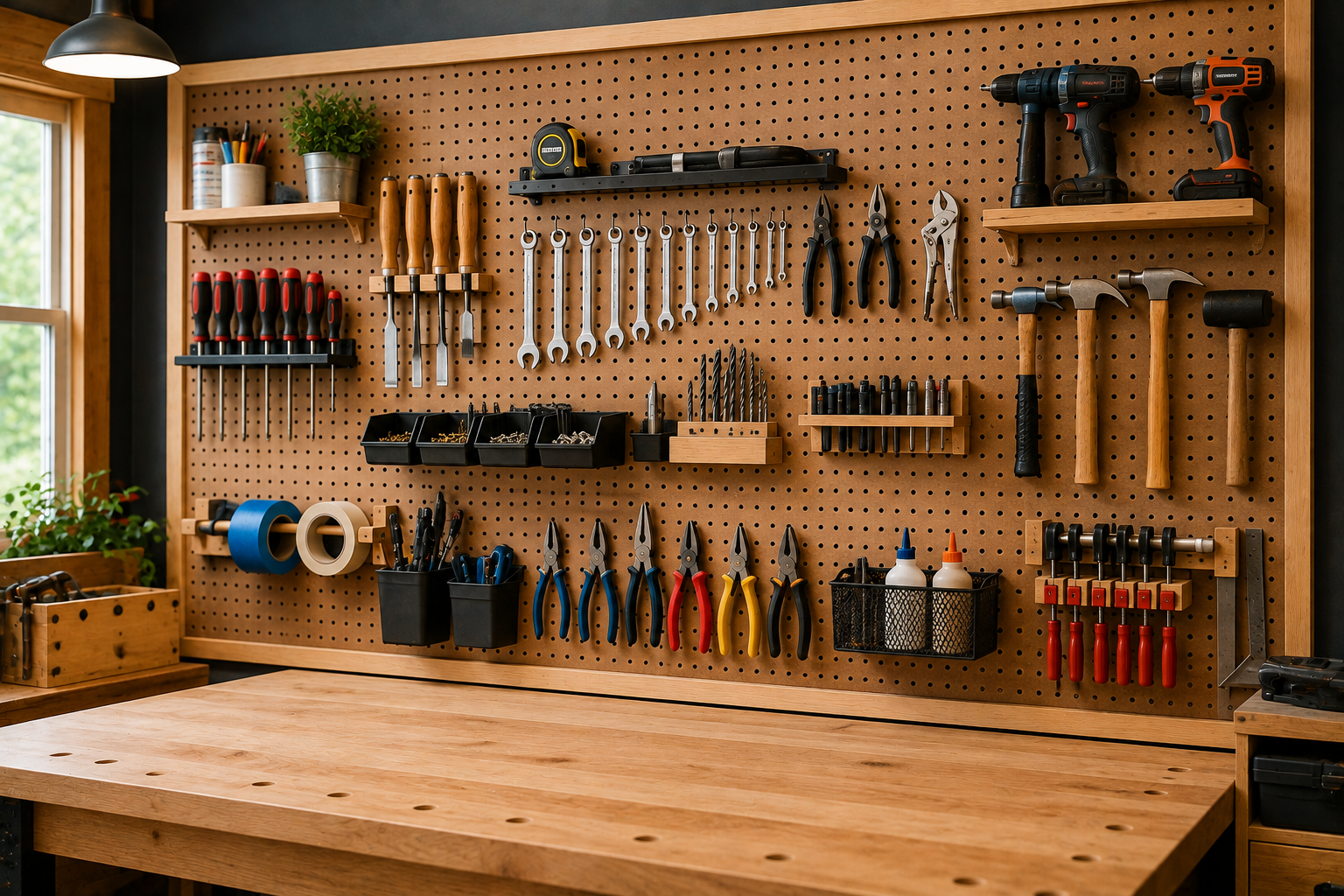
Storage Solutions: Adequate storage is crucial for keeping your workshop organized and clutter-free. Incorporate cabinets, shelves, and bins to store tools, materials, and equipment neatly. Utilize vertical space to maximize storage capacity.
-
Tool Accessibility: Place frequently used tools within easy reach to streamline the woodworking process. Keep tools like saws, drills, and measuring instruments close to your primary work area for quick access.
-
Safety Zones: Designate specific safety zones within your workshop, such as a clear path for walking and working areas free of obstacles. Ensure emergency exits are easily accessible and visible.
-
Lighting and Ventilation: Proper lighting is essential for precision woodworking. Maximize natural light and supplement with adequate artificial lighting fixtures. Good ventilation is also crucial to maintain air quality and a comfortable working environment.
-
Electrical Outlets: Plan the placement of electrical outlets strategically to accommodate power tools and machinery. Install sufficient outlets around workstations to prevent the need for multiple extension cords.
-
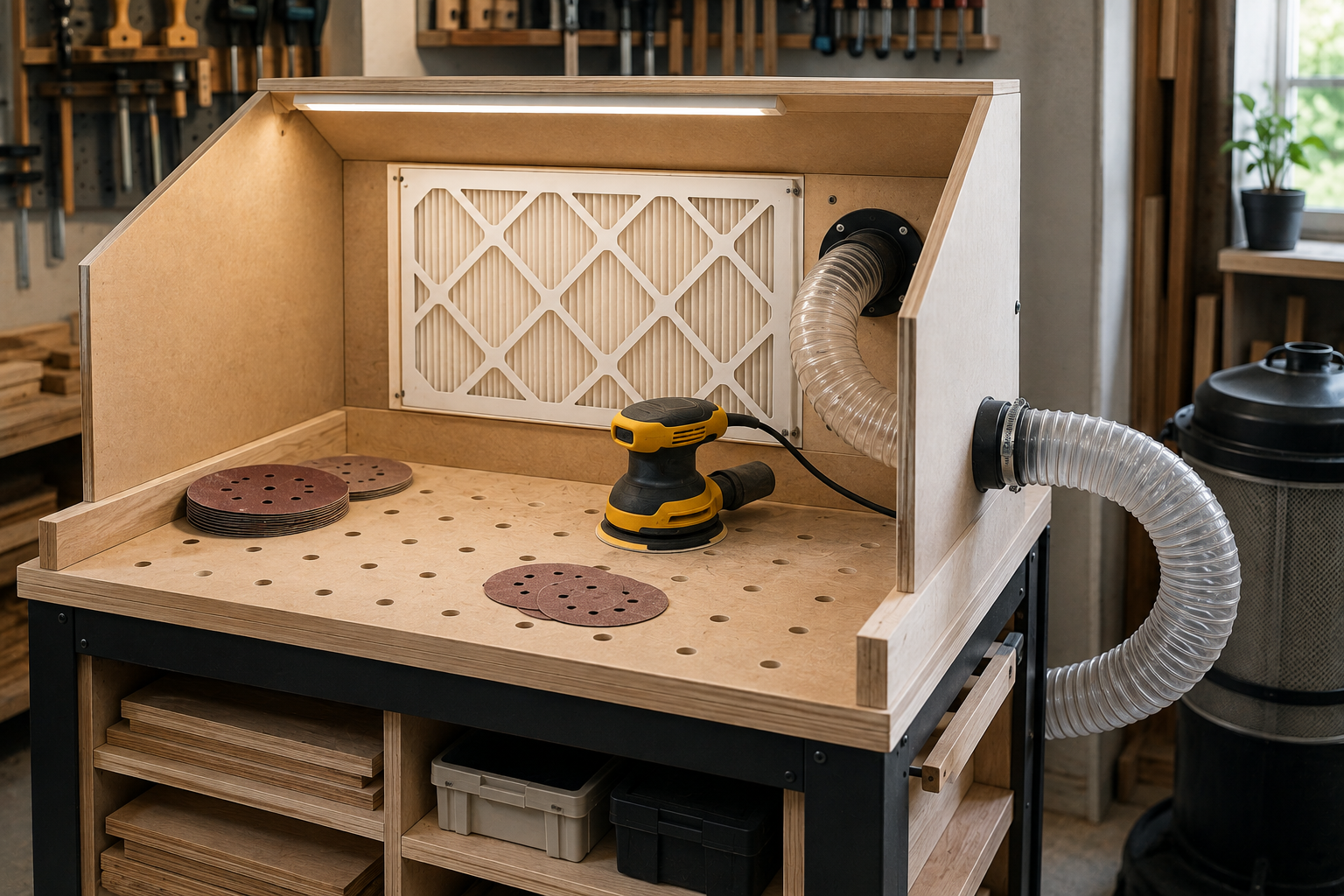
Dust Collection System: Woodworking produces a considerable amount of dust and debris. Implement a dust collection system with a central unit and strategically placed ductwork to minimize airborne particles and maintain a clean workspace.
Optimizing Your Workshop Layout
-
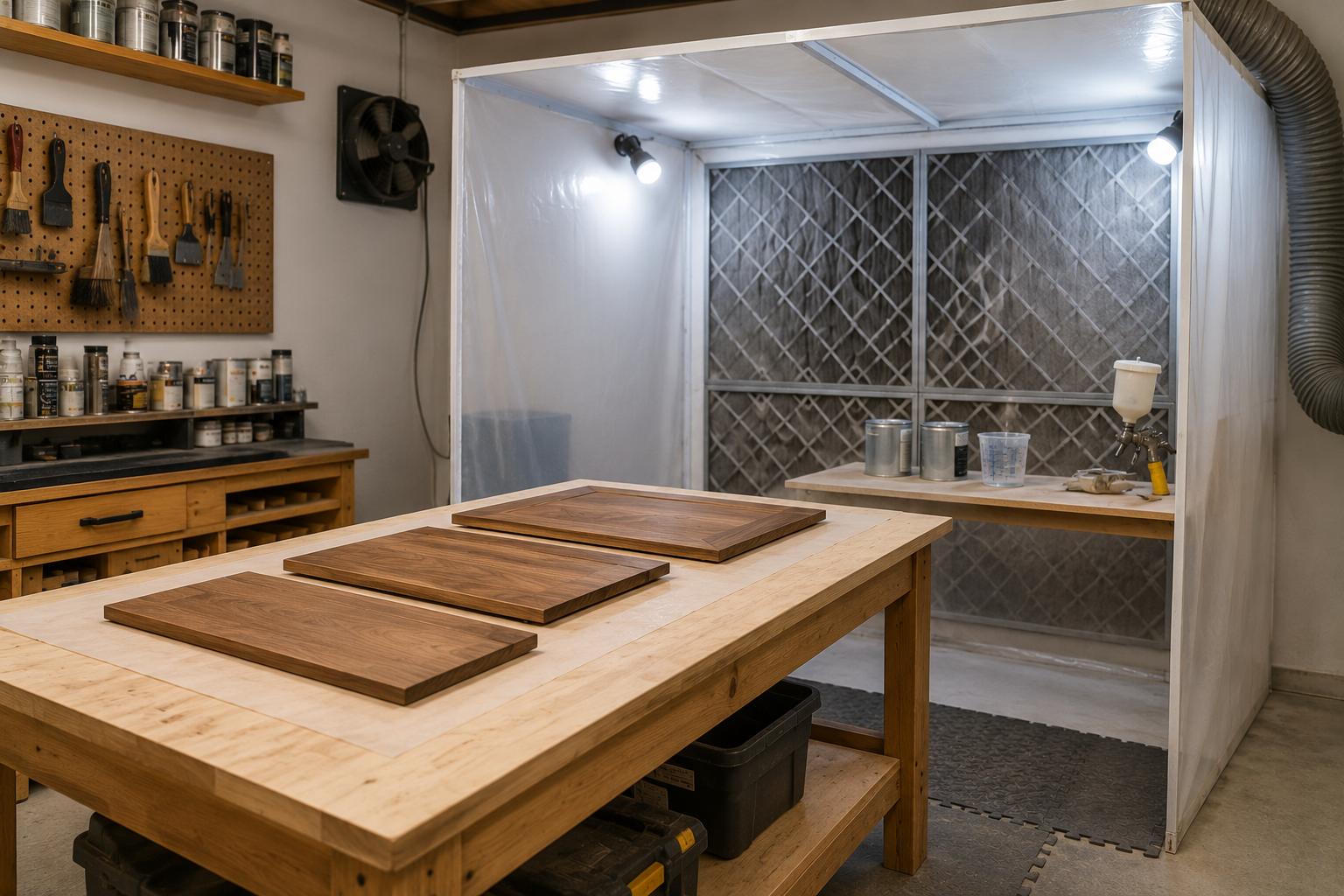
Create Zones: Divide your workshop into distinct zones based on function, such as cutting, assembly, finishing, and storage. This segmentation helps streamline workflow and keeps different tasks organized.
-
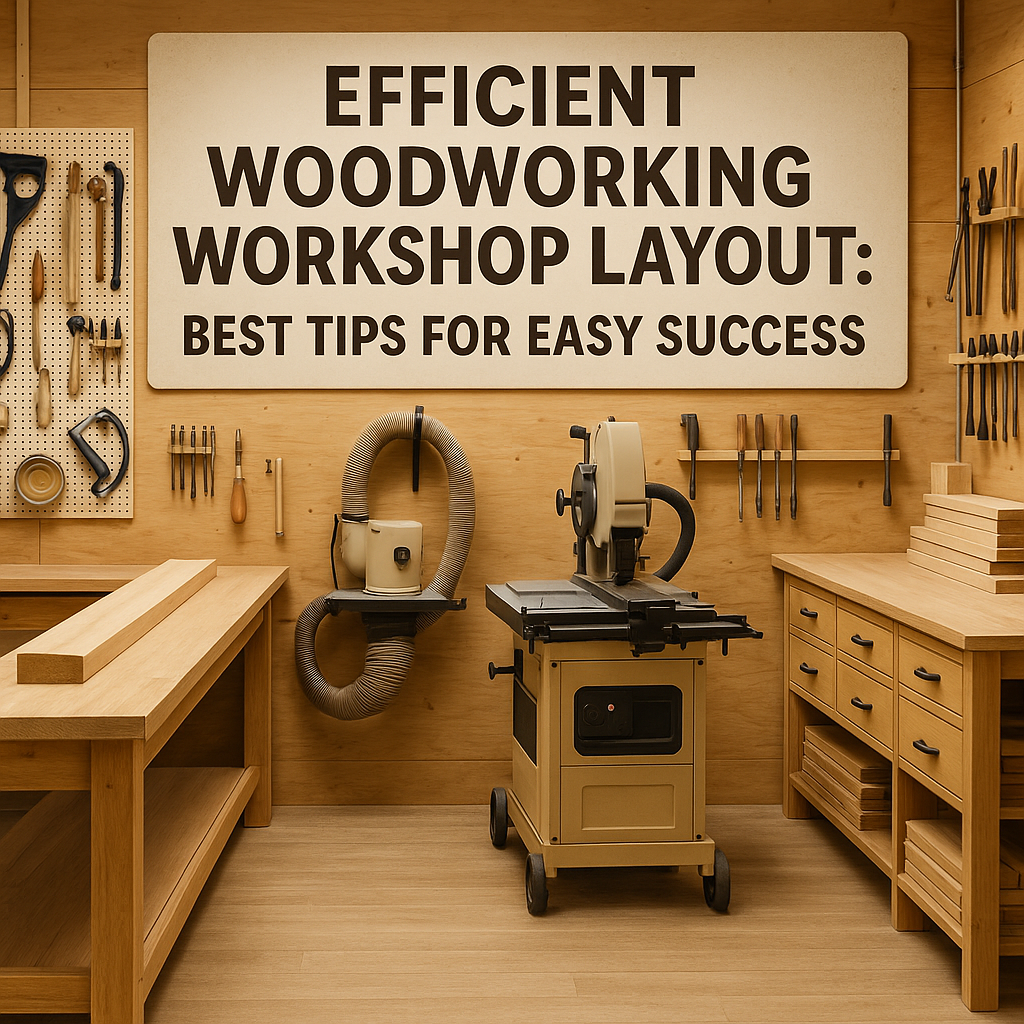
Mobile Workstations: Incorporate mobile workstations and tool carts to facilitate flexible workspace arrangements. Mobility allows you to adapt the layout based on the project’s requirements or to create more floor space when needed.
-
Routing and Workflow: Analyze your workflow from start to finish and map out the most efficient routing for materials and workpieces. Minimize backtracking and unnecessary movements to increase productivity.
-
Workshop Ergonomics: Consider ergonomics when positioning workbenches, tools, and machinery. Ensure that work surfaces are at an appropriate height to prevent strain and fatigue during extended woodworking sessions.
-
Visual Organization: Implement visual cues such as color-coded labels, tool outlines, and storage labels to enhance organization and efficiency. Visual indicators help locate items quickly and maintain a systematic arrangement.
Creating an efficient woodworking workshop layout requires careful planning, attention to detail, and a practical approach to design. By considering the key elements mentioned above and optimizing your space for functionality and workflow, you can create a workshop that enhances your woodworking experience and productivity. Invest time in designing a layout that suits your specific needs and preferences, and enjoy the benefits of a well-organized and efficient workshop environment.