
Avoid Tear Out: Effortless Wood Cutting Tips
Learn how to master the art of wood cutting techniques and say goodbye to tear-out woes for good! Cutting with the grain, using sharp tools, and choosing the right wood types are just a few tips to ensure your woodworking projects remain pristine and splinter-free.
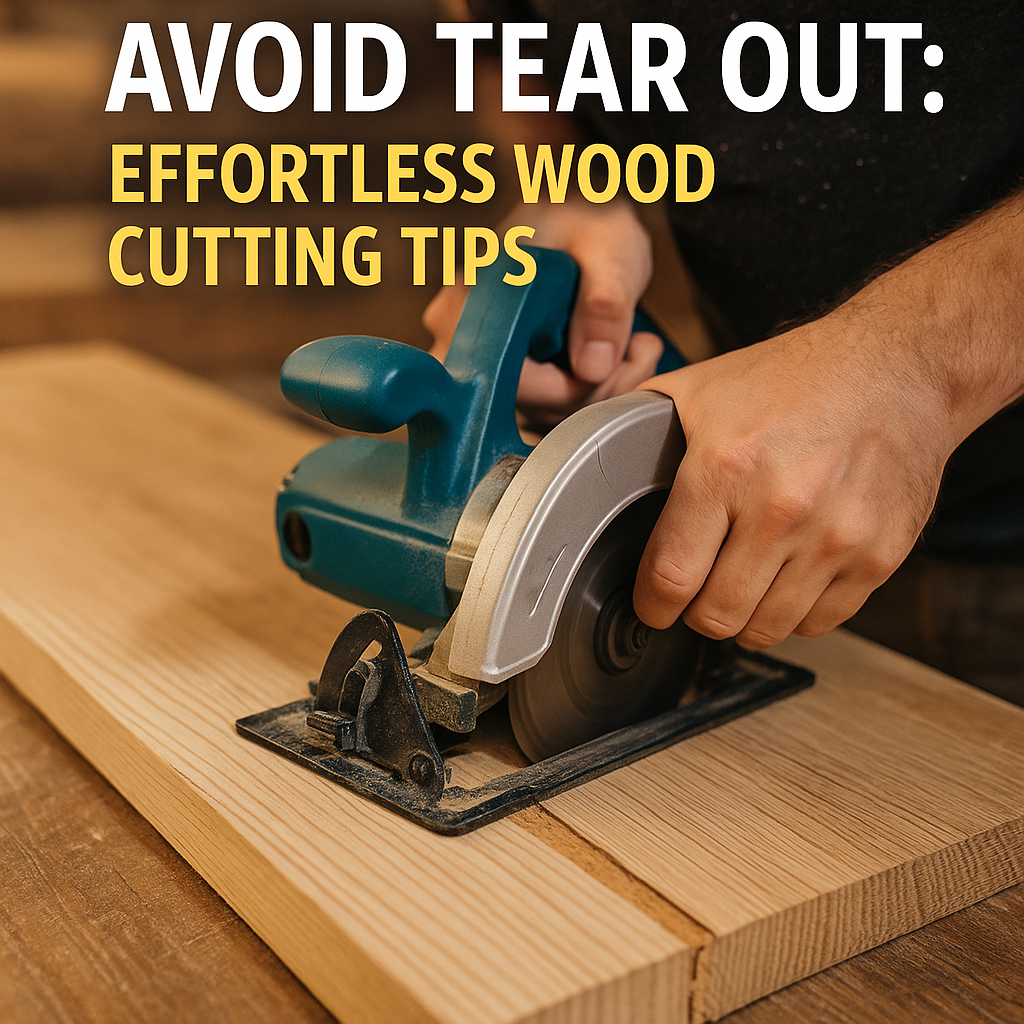
Woodworking is a fulfilling and rewarding hobby, but one common frustration that many enthusiasts encounter is tear-out when cutting wood. Tear-out refers to the unsightly splintering or chipping of wood that can occur during the cutting process, resulting in a rough and damaged surface. However, with the right techniques and tools, it is possible to minimize or even completely avoid tear-out when working with wood. By following some simple guidelines and employing the appropriate cutting methods, you can achieve clean and precise cuts without compromising the integrity of your woodworking projects.
Understanding the factors that contribute to tear-out is the first step in preventing it. The type of wood you are working with plays a significant role in tear-out prevention. For example, woods with interlocked or irregular grain patterns, such as oak or mahogany, are more prone to tear-out than straight-grained woods like pine or maple. Additionally, the sharpness of your cutting tools also influences tear-out. Dull blades can crush and splinter the wood fibers, leading to tear-out, whereas sharp blades produce cleaner cuts with minimal splintering.
To avoid tear-out when cutting wood, one effective technique is to use the appropriate cutting direction. Cutting in the same direction as the wood grain, also known as “cutting with the grain,” helps to minimize tear-out. When cutting across the grain, also called “cutting against the grain,” the likelihood of tear-out increases. To reduce tear-out when cutting against the grain, you can score the wood surface with a utility knife before making the final cut. This creates a clean line along which the blade can follow, resulting in a smoother cut with less tear-out.
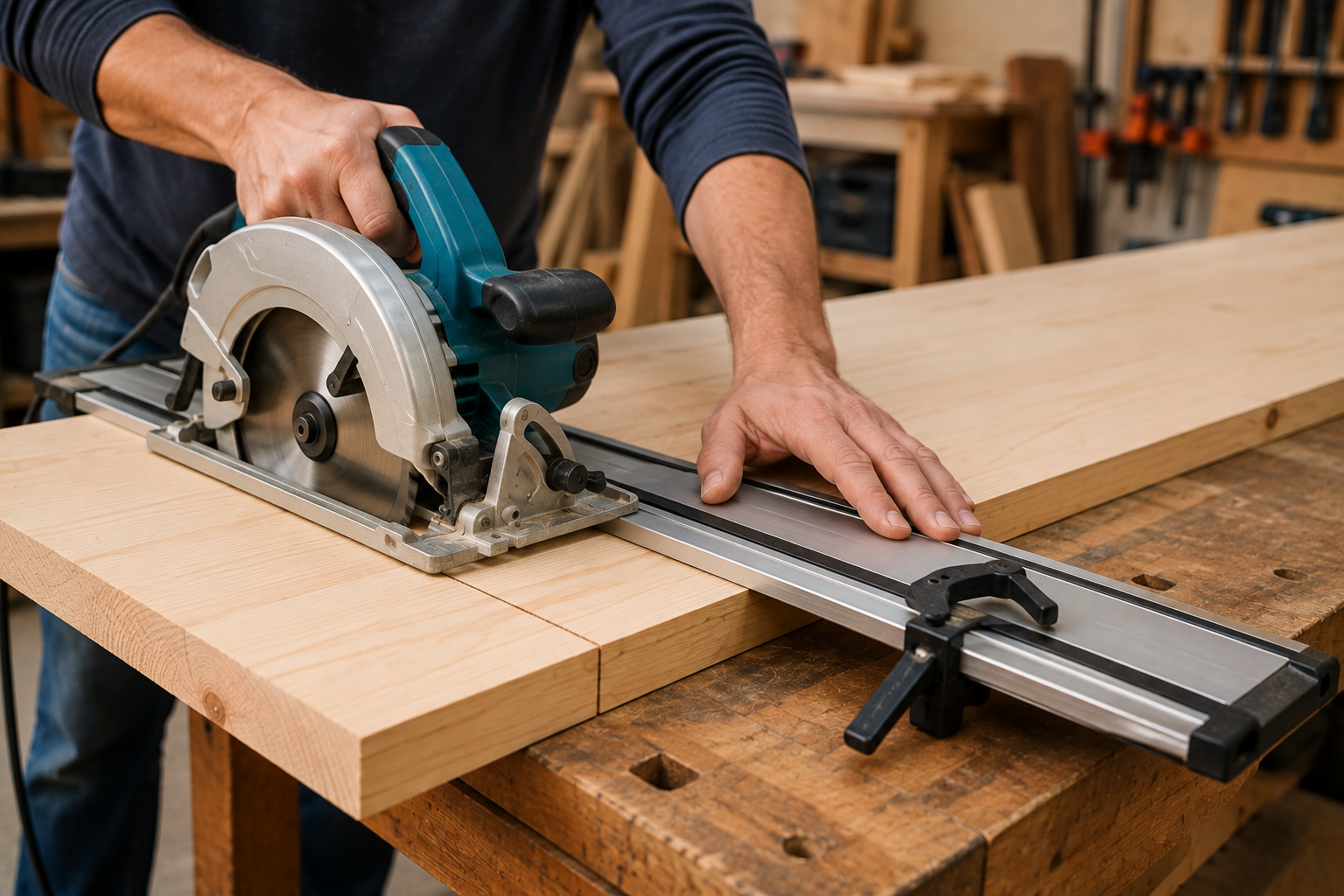
Consideration of the cutting tool is another crucial aspect of tear-out prevention. Different tools produce varying degrees of tear-out based on their design and sharpness. For example, a hand saw with fine teeth is more likely to cause tear-out than a saw with larger, coarser teeth. Using a saw with the appropriate tooth size for the type of wood being cut can help reduce tear-out. Additionally, ensuring that your saw blade is sharp and properly maintained is essential for achieving clean cuts without tear-out.
When using power tools such as a table saw or a router, there are specific techniques that can help prevent tear-out. Using a zero-clearance insert on a table saw reduces the gap between the blade and the wood surface, providing better support and reducing the likelihood of tear-out. When routing wood, cutting in multiple shallow passes rather than a single deep pass can help minimize tear-out. Additionally, using a backing board or sacrificial piece of wood underneath the workpiece can support the wood fibers and prevent tear-out on the underside of the cut.
In conclusion, tear-out when cutting wood is a common challenge in woodworking, but with the proper knowledge and techniques, it can be effectively minimized or avoided. By understanding the factors that contribute to tear-out, selecting the right cutting direction, using sharp cutting tools, and employing specific strategies with power tools, you can achieve clean and professional-looking cuts in your woodworking projects. With practice and attention to detail, you can enjoy the process of woodworking without the frustration of tear-out compromising the quality of your work.