
Woodworking Guide: Best Timber Choices for Your Debut Project
Embark on your woodworking journey by choosing the perfect wood for your debut project! Understanding the characteristics of different wood types is key to achieving outstanding results. Dive into the world of wood choices for beginners and bring your vision to life with the ideal timber selection.
Woodworking is a craft that has been practiced for centuries, encompassing a wide array of techniques and styles. For beginners, selecting the right type of wood for their first project can be a daunting task. Understanding the characteristics of different wood types is crucial in achieving the desired results. From hardness and grain pattern to color and cost, there are various factors to consider when choosing the right wood for your woodworking project.
Types of Wood for Beginners: Understanding the Basics
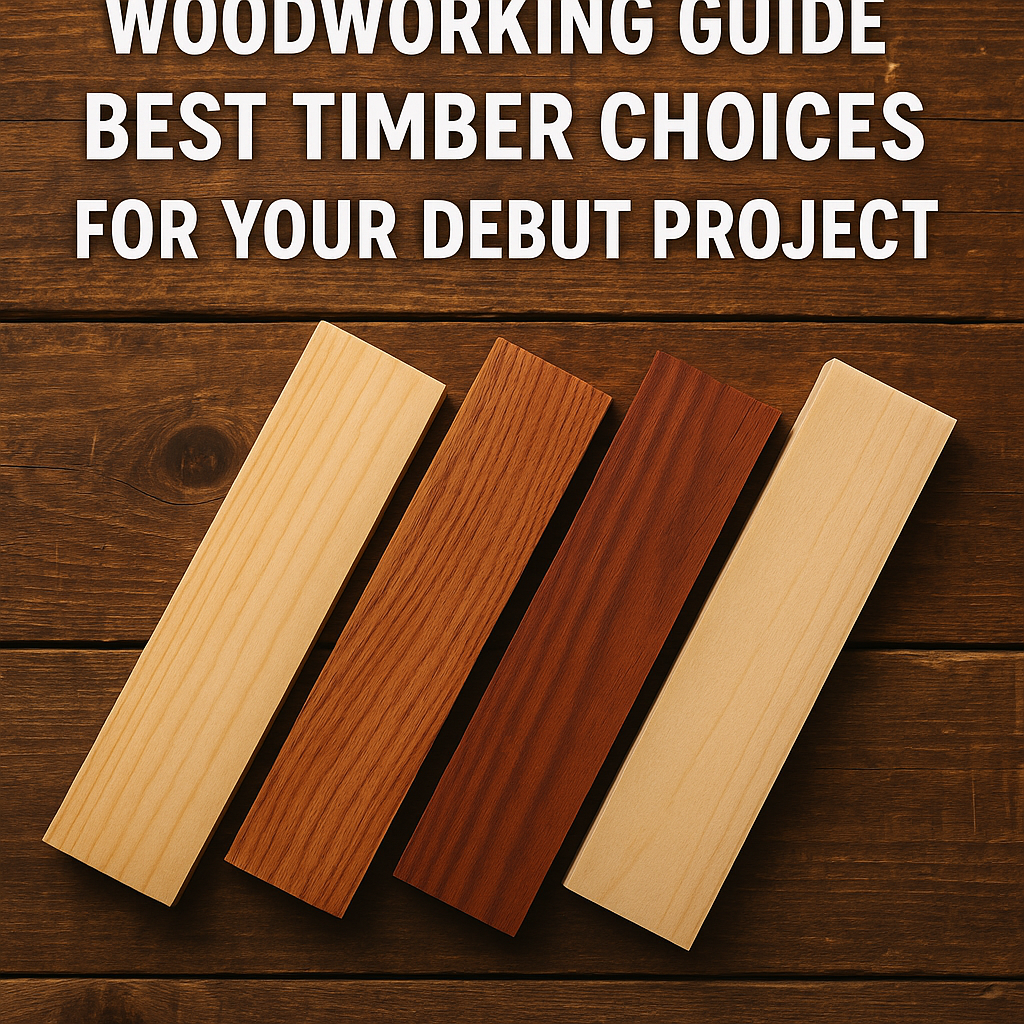
Before embarking on your first woodworking project, it is essential to familiarize yourself with the different types of wood available. Hardwoods and softwoods are the two main categories of wood used in woodworking. Hardwoods, such as oak, walnut, and cherry, are known for their durability and strength, making them ideal for furniture and decorative pieces. Softwoods, like pine and cedar, are more affordable and easier to work with, making them suitable for beginners.
Focus on Hardwood Species
When selecting hardwood for your project, consider the specific characteristics of each wood species. Oak is a popular choice due to its durability and prominent grain pattern. Walnut, on the other hand, offers a rich, dark color that adds elegance to any project. Cherry wood is prized for its reddish-brown hue and smooth finish. Understanding the unique qualities of each hardwood species will help you choose the right wood for your first project.
Softwoods for Beginners: Finding the Right Balance
If you are just starting out in woodworking, softwoods may be the ideal choice for your first project. Pine is a common softwood that is easy to work with and readily available at most lumber stores. Cedar is another popular option known for its natural resistance to rot and insects, making it ideal for outdoor projects. When working with softwoods, it is essential to consider their lower density and potential for dents and scratches.
Matching Wood to Project Requirements
When choosing the right wood for your first project, it is essential to consider the specific requirements of the project. For furniture pieces that require strength and stability, hardwoods like oak or maple are suitable choices. If you are making decorative items or small crafts, softer woods like pine or cedar may be more appropriate. Additionally, consider the aesthetic appeal of the wood, such as color, grain pattern, and texture, to ensure it complements the design of your project.
Budget Considerations and Wood Quality
Budget is an important factor to consider when choosing wood for your first project. Hardwoods are generally more expensive than softwoods, so it is essential to balance cost with quality. While investing in high-quality wood can enhance the overall look and longevity of your project, there are also cost-effective options available for beginners. Look for local lumberyards or online suppliers that offer a variety of wood species at different price points.
Conclusion
Choosing the right wood for your first woodworking project is a crucial step in achieving successful results. By understanding the characteristics of different wood types, considering the project requirements, and balancing cost with quality, you can select the perfect wood for your endeavor. Whether you opt for the durability of hardwoods or the affordability of softwoods, each type of wood brings its unique qualities to the craftsmanship. Start your woodworking journey on the right foot by selecting the wood that best suits your project needs and creative vision.