
Woodworking: Effortless Wood Measurement Tips for Beginners
Accurate wood measurement techniques are the cornerstone of successful woodworking projects. From understanding basic units like inches and feet to choosing the right measuring tools, mastering this skill is essential for any aspiring woodworker looking to craft with precision.
Woodworking is a timeless craft that allows individuals to create beautiful and functional pieces using one of nature’s most versatile materials. If you are a beginner woodworker looking to embark on your woodworking journey, one essential skill you must master is the ability to measure wood accurately. Proper measurements are crucial for ensuring your projects turn out as intended and fit together seamlessly. In this article, we will guide you through the basics of how to measure wood accurately, providing you with the knowledge and confidence to tackle your woodworking projects with precision.
Understanding the Basics of Wood Measurement
Before delving into the specifics of how to measure wood accurately, it is essential to understand the basic units of measurement commonly used in woodworking. The primary units are inches, feet, and fractions of an inch. Additionally, you may encounter metric measurements such as millimeters and centimeters, especially in modern woodworking plans. Familiarize yourself with these units to ensure you can interpret and apply measurements effectively.
Choosing the Right Measuring Tools
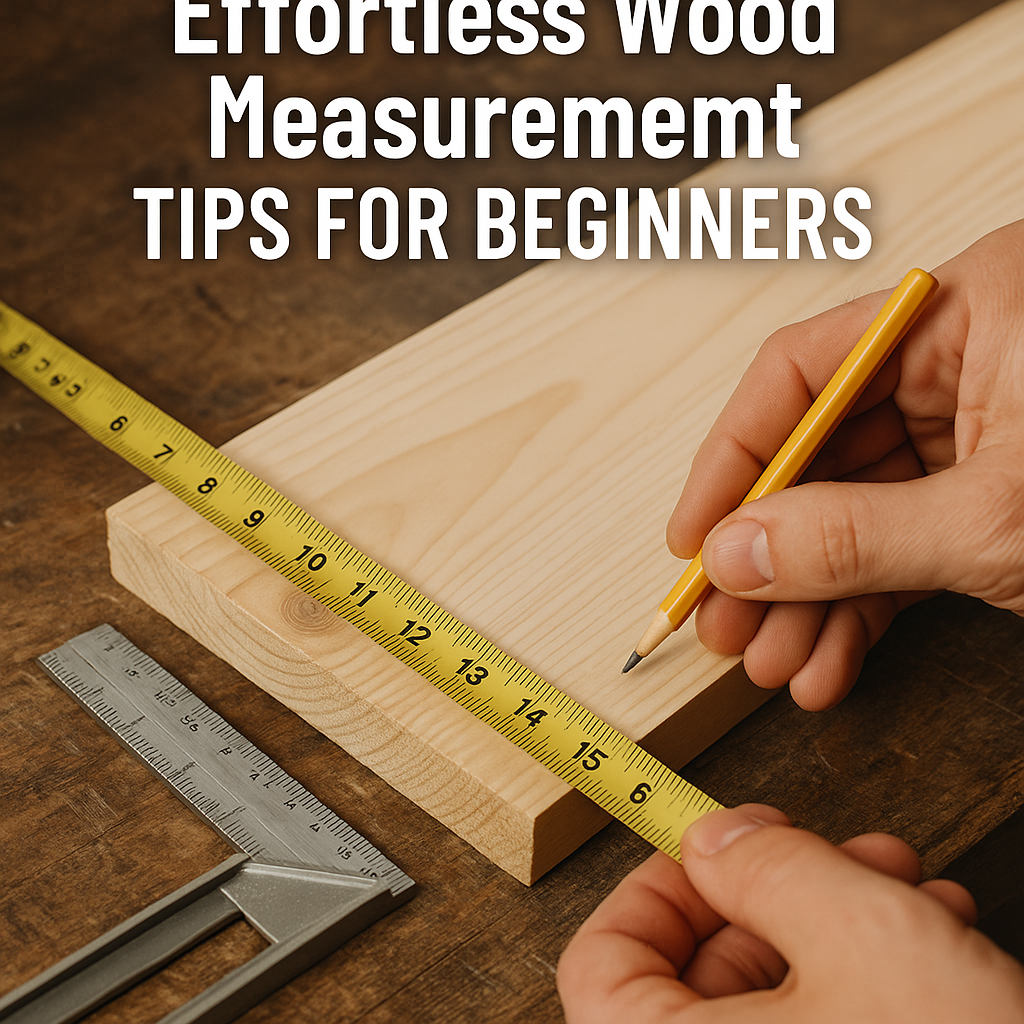
To measure wood accurately, you will need the right tools. The most fundamental tools for taking measurements in woodworking are a tape measure, a carpenter’s square, and a combination square. A tape measure is versatile and can be used for both long and short measurements, while a carpenter’s square helps you ensure your cuts are square. A combination square is handy for marking lines at precise angles and verifying squareness.
Focus on Accuracy
Accuracy is paramount when it comes to woodworking, and this holds true for measuring as well. When measuring wood, ensure that your tools are snug against the wood surface to prevent inaccuracies due to gaps. Take measurements multiple times to confirm consistency, especially for critical cuts. Remember the old adage: “measure twice, cut once.”
Techniques for Accurate Wood Measurement
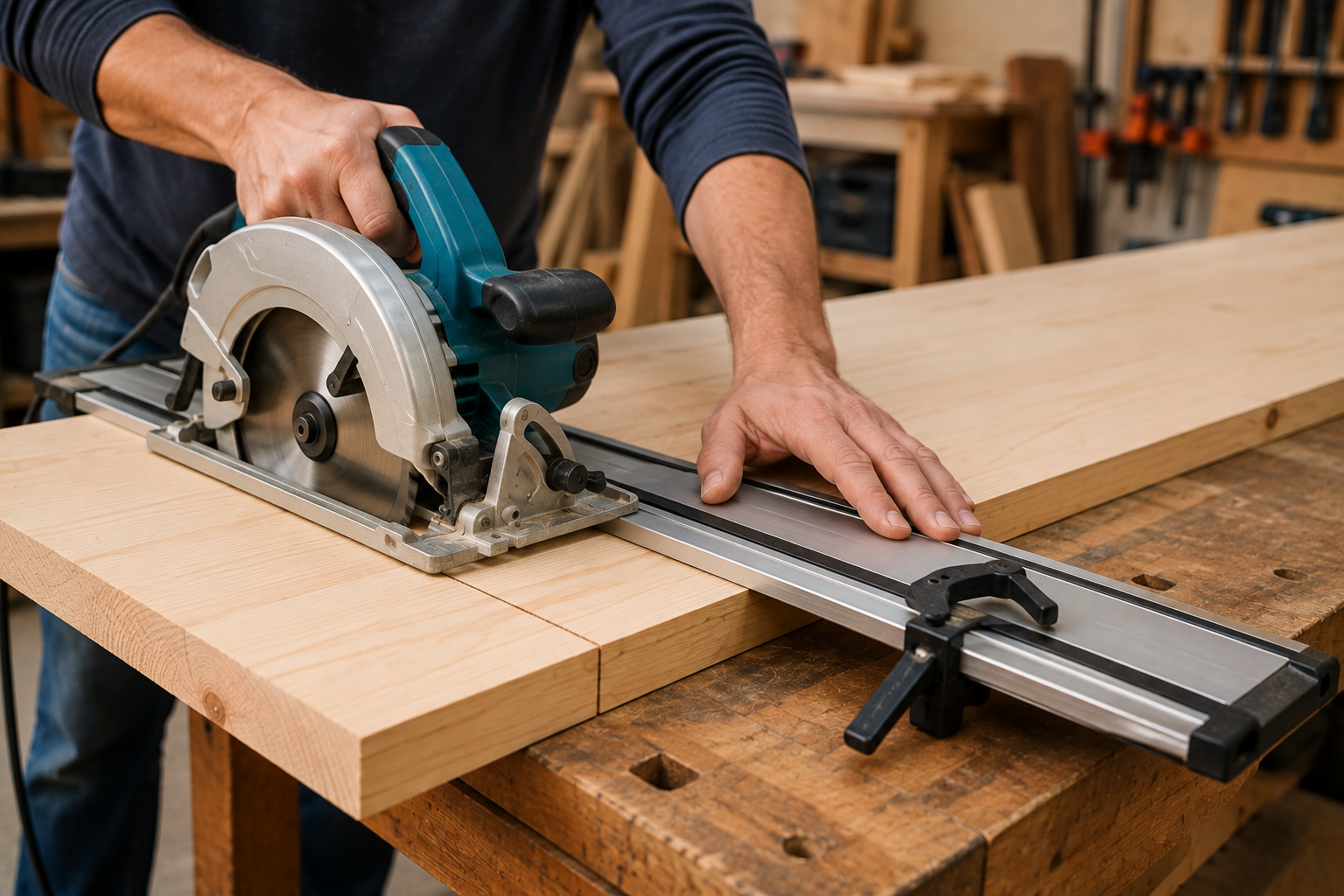
One of the most common mistakes beginners make is ignoring the kerf, the width of the saw blade that is lost in the cutting process. To account for the kerf and ensure your final dimensions match your plan, measure and mark the waste side of the cut line. This way, your finished piece will be the desired size after the cut is made.
Utilize Reference Points
When measuring wood for precise cuts or joinery, using reference points can help maintain accuracy. Marking your measurements from the same reference edge or face of the wood ensures consistency across multiple pieces. Additionally, creating knife lines or light pencil marks can provide clearer guides for accurate cuts.
Practicing and Patience
As with any skill, practice is key to improving your ability to measure wood accurately. Start with simple projects that require basic measurements and gradually work your way up to more complex designs. Remember that woodworking is a journey, and patience is a virtue that will serve you well as you hone your woodworking skills.
Conclusion
Mastering the art of measuring wood accurately is a foundational skill for any woodworker, beginner or experienced. By understanding the basics of wood measurement, selecting the right tools, focusing on accuracy, utilizing techniques, and practicing consistently, you can enhance the quality and precision of your woodworking projects. So grab your measuring tools, sharpen your pencils, and embark on your woodworking journey with the confidence that comes from knowing how to measure wood accurately.