
Waterproof Wooden Boat: Effortless Tips for Ultimate Protection
Discover the effortless tips for ultimate protection of your wooden boat with these essential waterproofing techniques. Say goodbye to worries about rot, decay, and water damage, and keep your boat in pristine condition for years to come by mastering the art of waterproofing.
Essential Guide on How to Waterproof a Wooden Boat
Introduction
Wooden boats have a timeless appeal, evoking nostalgic images of leisurely voyages and serene waters. However, maintaining a wooden boat requires special care to ensure it withstands the elements, especially water. Waterproofing a wooden boat is crucial to protect it from rot, decay, and water damage. In this guide, we will explore the steps and techniques involved in effectively waterproofing your wooden boat to prolong its lifespan and keep it in top condition for years to come.
Understanding the Importance of Waterproofing
Water is the primary enemy of wooden boats. Constant exposure to moisture can lead to rotting of the wood, weakening the structure, and compromising the integrity of the boat. Waterproofing serves as a protective barrier, preventing water from seeping into the wood and causing damage. By waterproofing your wooden boat, you not only enhance its durability but also maintain its beauty and functionality.
Types of Waterproofing Methods
There are several methods available for waterproofing a wooden boat, each with its unique advantages and application techniques. Some common waterproofing methods include sealing, varnishing, and epoxy coatings.
-
Sealing: Sealing involves applying a sealant or wood preservative to the surface of the wood to create a protective barrier against moisture. Oil-based sealants are commonly used for their durability and water-resistance.
-
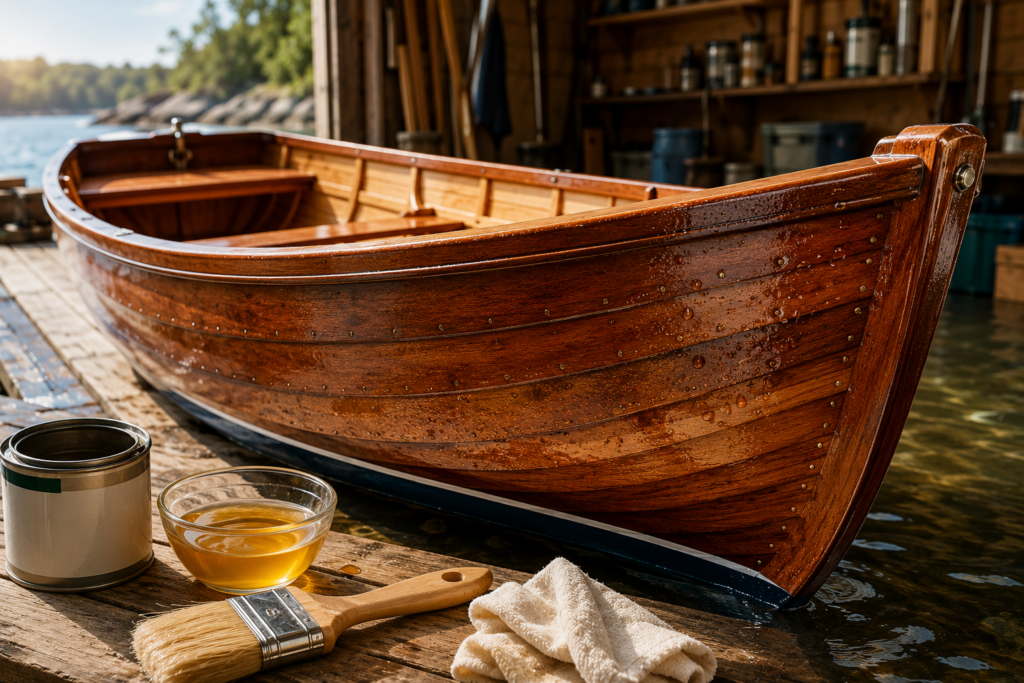
Varnishing: Varnishing is a popular method for waterproofing wooden boats, as it not only seals the wood but also enhances its appearance. Marine-grade varnishes provide a glossy finish and long-lasting protection against water damage.
-
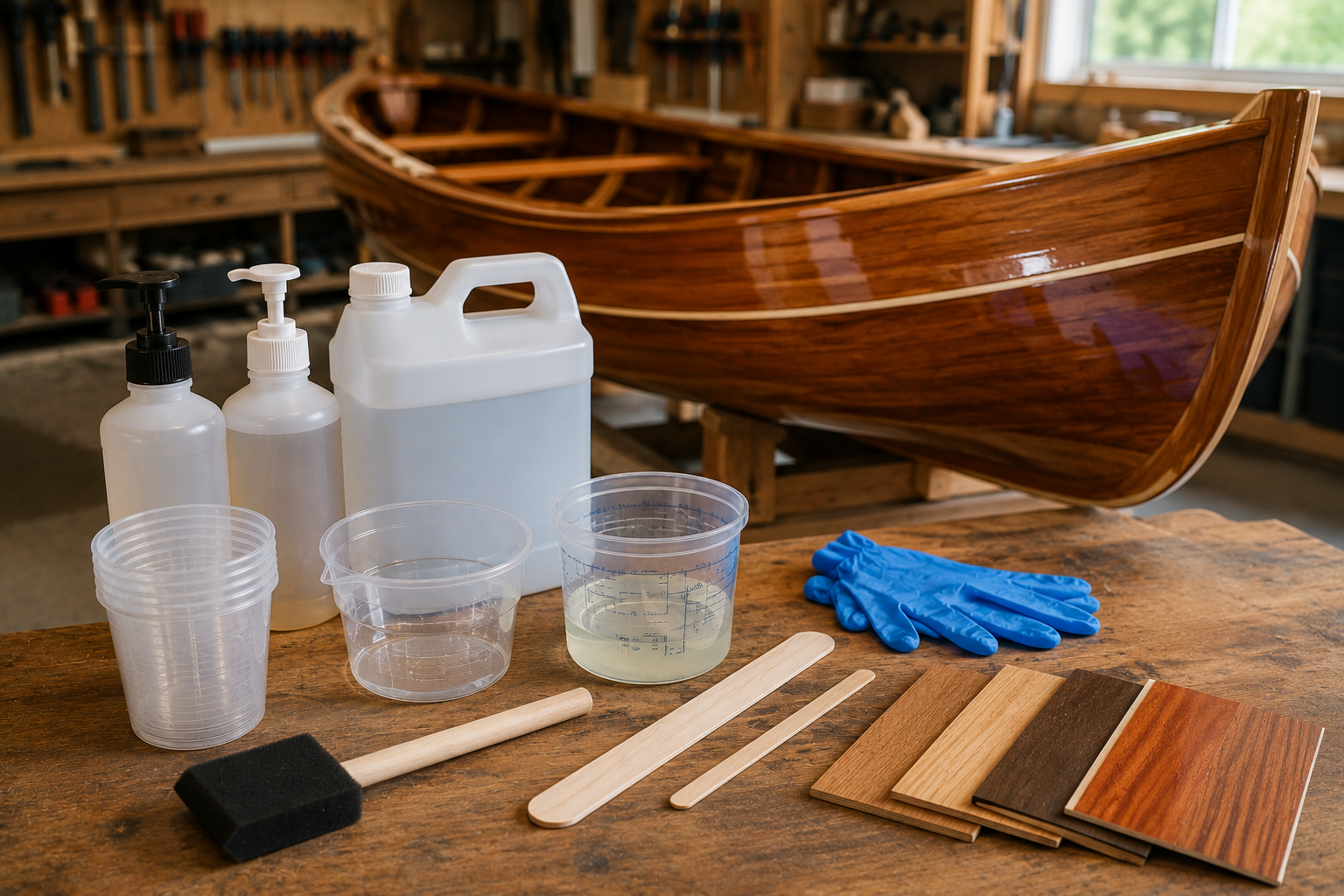
Epoxy Coatings: Epoxy coatings are highly effective in waterproofing wooden boats, as they create a strong, impervious barrier that seals the wood and prevents water penetration. Epoxy coatings are particularly useful for areas exposed to high moisture levels or constant water contact.
Step-by-Step Guide to Waterproofing Your Wooden Boat
-
Prepare the Surface: Start by inspecting the boat for any signs of damage or existing water penetration. Sand the wood surface to remove any rough spots or imperfections that could compromise the waterproofing process.
-
Choose the Right Waterproofing Product: Select a high-quality waterproofing product suitable for wooden boats, such as marine-grade sealants, varnishes, or epoxy coatings. Consider factors such as durability, UV resistance, and application ease.
-
Apply the Waterproofing Product: Follow the manufacturer’s instructions for applying the chosen waterproofing product to the wooden surface. Use a brush, roller, or sprayer to ensure even coverage and penetration into the wood pores.
-
Allow Sufficient Drying Time: Allow the waterproofing product to dry completely before exposing the boat to water. Depending on the product used, this may take several hours to a few days. Ensure proper ventilation during the drying process.
-
Inspect and Maintain Regularly: Periodically inspect the boat for any signs of water damage or wear on the waterproofing coating. Reapply the waterproofing product as needed to maintain optimal protection against moisture.
Conclusion
Properly waterproofing a wooden boat is essential for preserving its longevity, beauty, and performance. By following the steps outlined in this guide and choosing the right waterproofing method for your boat, you can enjoy years of sailing adventures without worrying about water damage. Remember to invest time and effort in maintaining your wooden boat to ensure it remains in top condition for generations to come.