
Woodworking Workshop Organization Made Effortless: Must-Have Tips
Transform your woodworking workshop into a well-oiled machine with these must-have tips for **woodworking workshop organization**! Maximize your space, keep tools within reach, and optimize storage solutions to create a seamless workflow for your projects.
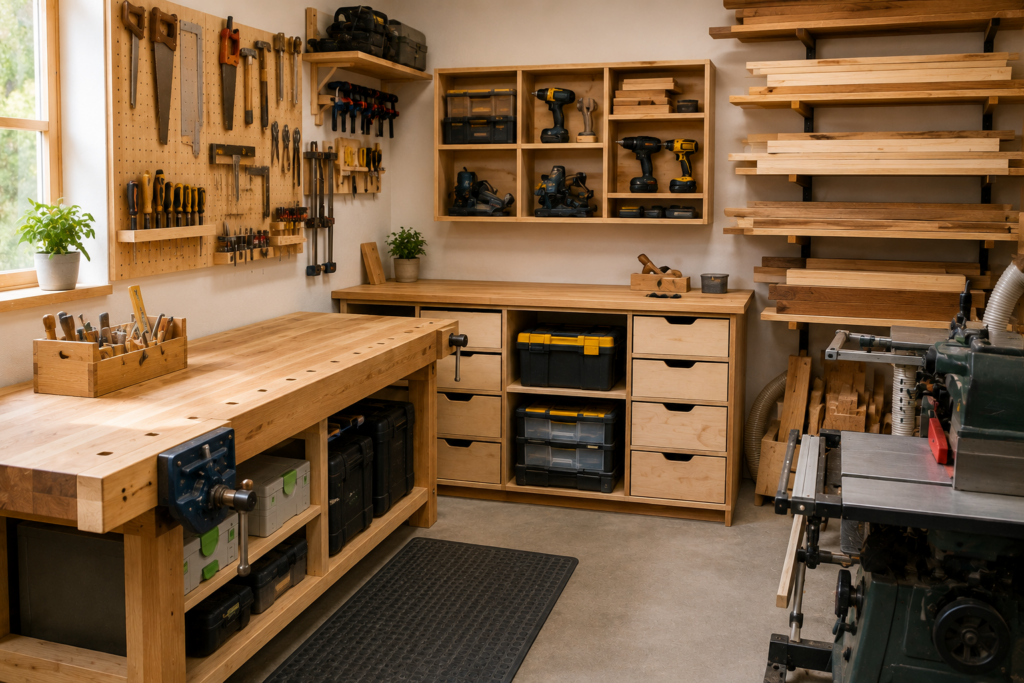
Woodworking is a immensely rewarding hobby and craft that allows individuals to express their creativity while creating practical and beautiful objects. However, setting up and maintaining a small woodworking workshop can be a challenge due to limited space. With the right organization and planning, you can maximize the efficiency of your workshop and create a conducive space for your woodworking projects. In this article, we will explore some effective tips and strategies on how to organize a small woodworking workshop.
Planning Your Workshop Layout
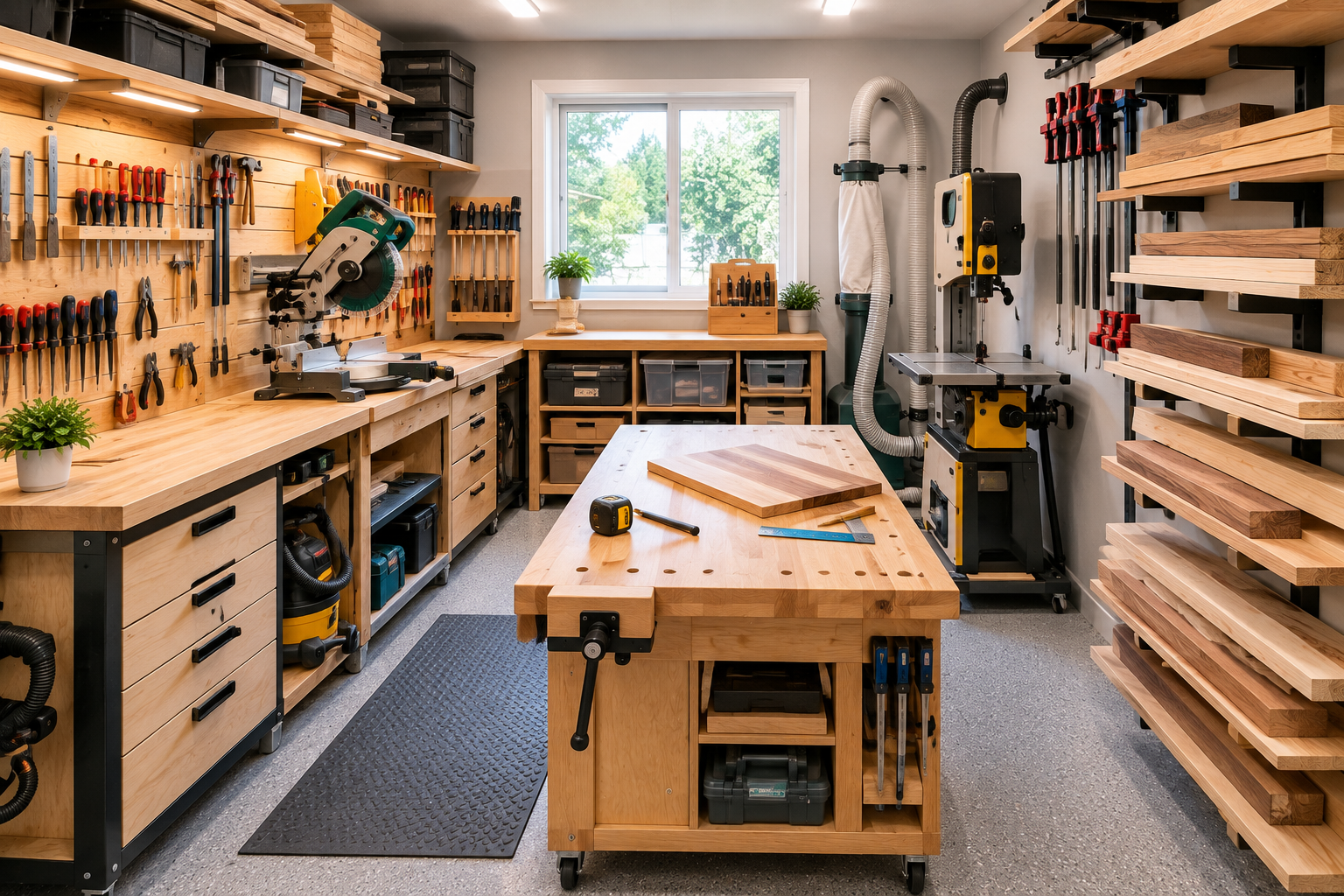
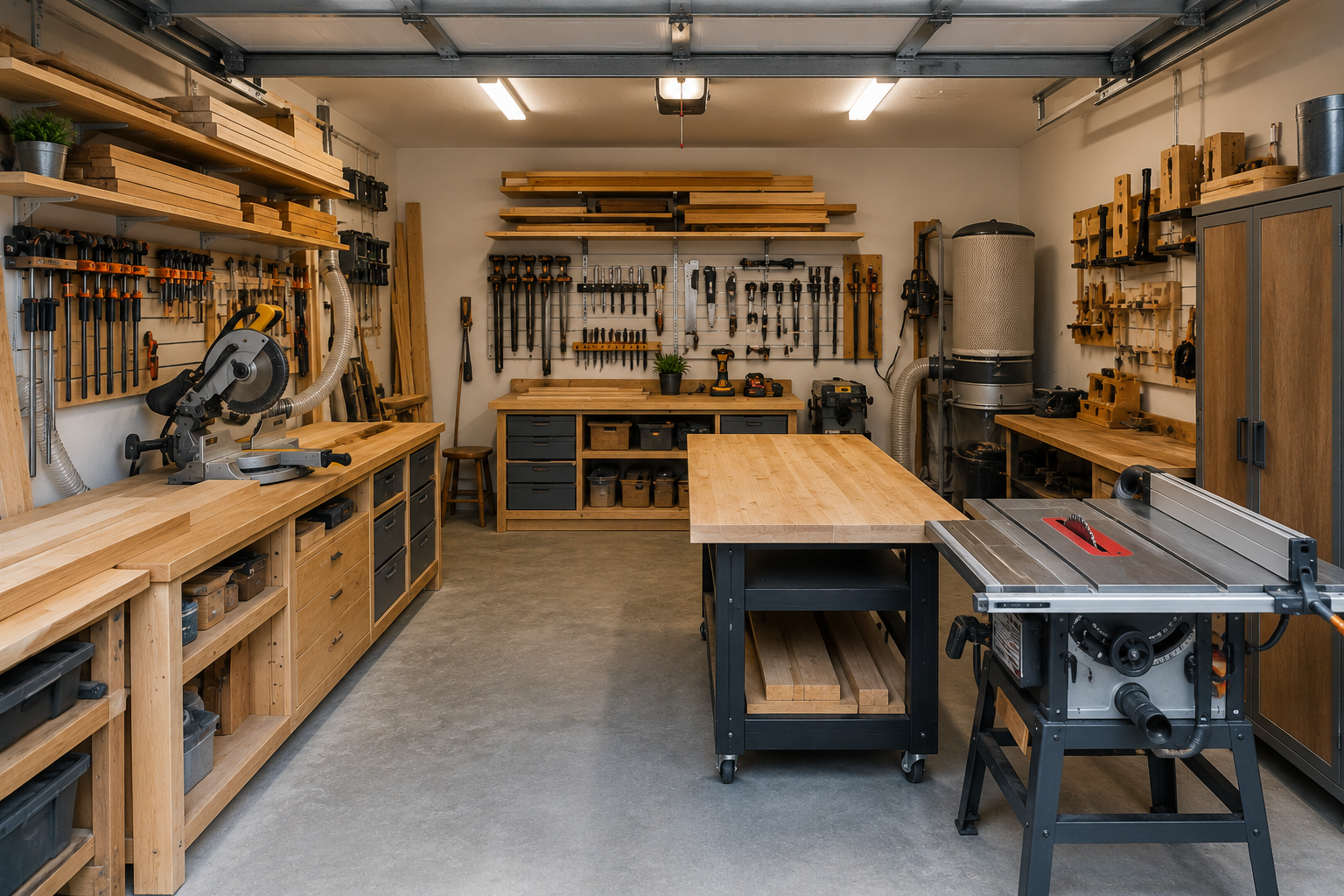
The first step in organizing a small woodworking workshop is to plan the layout carefully. Consider the space available to you and prioritize essential elements such as workbenches, tool storage, and a dust collection system. Arrange your tools and equipment in a way that maximizes efficiency and workflow. Keep frequently used tools within easy reach and designate specific areas for different tasks to avoid clutter and confusion.
Optimizing Storage Solutions
Effective storage solutions are crucial in a small woodworking workshop. Utilize vertical space by installing shelves, pegboards, and cabinets to store tools, materials, and supplies. Consider using wall-mounted organizers to keep small tools and accessories organized and easily accessible. Labeling storage containers and drawers can also help you quickly locate items when needed, saving time and reducing frustration.
Investing in Portable and Space-Saving Equipment
In a small workshop, space is a precious commodity. Invest in portable and space-saving equipment such as compact table saws, benchtop planers, and folding workbenches. These tools can be easily stored away when not in use, allowing you to make the most of your limited workspace. Additionally, consider multi-functional tools that serve multiple purposes to minimize the number of tools needed and maximize efficiency.
Creating a Dedicated Dust Collection System
Woodworking generates a significant amount of dust and debris, which can pose a health hazard and reduce the efficiency of your workshop. Invest in a dedicated dust collection system to keep your workspace clean and dust-free. Position the dust collector strategically to capture dust at the source and ensure proper ventilation in the workshop. Regularly clean and maintain your dust collection system to ensure optimal performance and air quality.
Establishing a Maintenance Routine
To keep your small woodworking workshop organized and efficient, establish a regular maintenance routine. Clean up after each project to avoid clutter and maintain a tidy workspace. Inspect and maintain your tools and equipment regularly to ensure they are in good working condition. Sharpen blades, replace worn-out parts, and lubricate moving components as needed to prolong the lifespan of your tools and improve their performance.
Conclusion
Organizing a small woodworking workshop requires careful planning, efficient use of space, and strategic organization. By implementing the tips and strategies outlined in this article, you can create a functional and well-organized workspace that enhances your woodworking experience. Whether you are a beginner or a seasoned woodworker, a well-organized workshop will not only improve efficiency but also inspire creativity and enjoyment in your woodworking projects.