
Woodworking Mistakes Beginners: Avoid These Costly Errors!
Avoid costly woodworking mistakes by learning how to use safety equipment properly, choosing the right type of wood for your projects, and never skipping the crucial sanding process. Enhance your woodworking skills and projects starting today!

Woodworking is a timeless craft that allows individuals to create beautiful and functional pieces of furniture and decor. However, for beginners in the art of woodworking, there are common mistakes that can hinder progress and dampen enthusiasm. By being aware of these pitfalls, aspiring woodworkers can avoid setbacks and enhance their skills. In this guide, we will explore some of the most common woodworking mistakes beginners make and provide tips on how to overcome them.
Not Using Safety Equipment Properly
One of the most crucial aspects of woodworking is safety. Many beginners make the mistake of not using safety equipment properly or neglecting it altogether. Safety goggles, ear protection, dust masks, and gloves are essential items to have in the woodworking arsenal. Ignoring the importance of safety can lead to serious injuries and accidents that could have been easily prevented. Always prioritize safety when working with woodworking tools and materials.
Choosing the Wrong Type of Wood
Another common mistake beginners make is choosing the wrong type of wood for their projects. Different types of wood have distinct properties in terms of hardness, grain pattern, and color. It is essential to select the appropriate wood species based on the intended use of the final piece. For example, hardwoods like oak and maple are ideal for furniture making, while softwoods like pine are better suited for projects that require less durability. Researching the characteristics of various woods before starting a project can help prevent mistakes and ensure a successful outcome.
Skipping the Sanding Process
Achieving a smooth and polished finish is essential in woodworking, but many beginners tend to skip the sanding process or rush through it. Sanding helps to remove imperfections, smooth out rough edges, and create a professional-looking final product. By investing time and effort into proper sanding techniques, woodworkers can enhance the overall quality of their projects and achieve a flawless finish. Start with a coarse grit sandpaper and gradually move to finer grits for best results.
Neglecting Proper Tool Maintenance
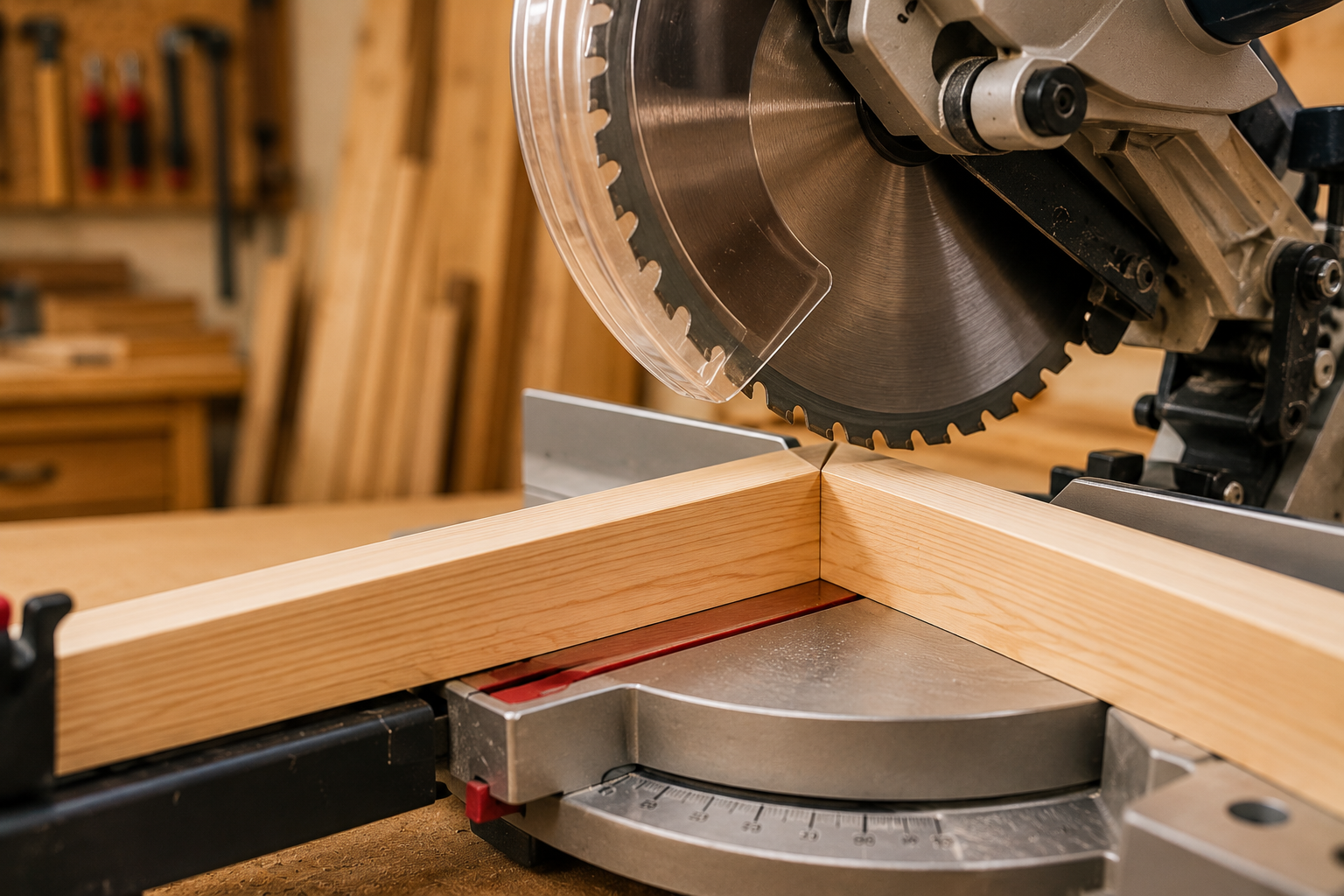
Woodworking tools are essential for creating precise cuts and shaping wood, but beginners often neglect proper tool maintenance. Dull blades, rusted surfaces, and misaligned tools can result in inefficiency and inaccuracies during the woodworking process. Regularly clean and sharpen tools, lubricate moving parts, and store them carefully to prolong their lifespan and ensure optimal performance. Investing in quality tools and maintaining them properly can make a significant difference in the outcome of woodworking projects.
Not Taking Time for Proper Measurement and Planning
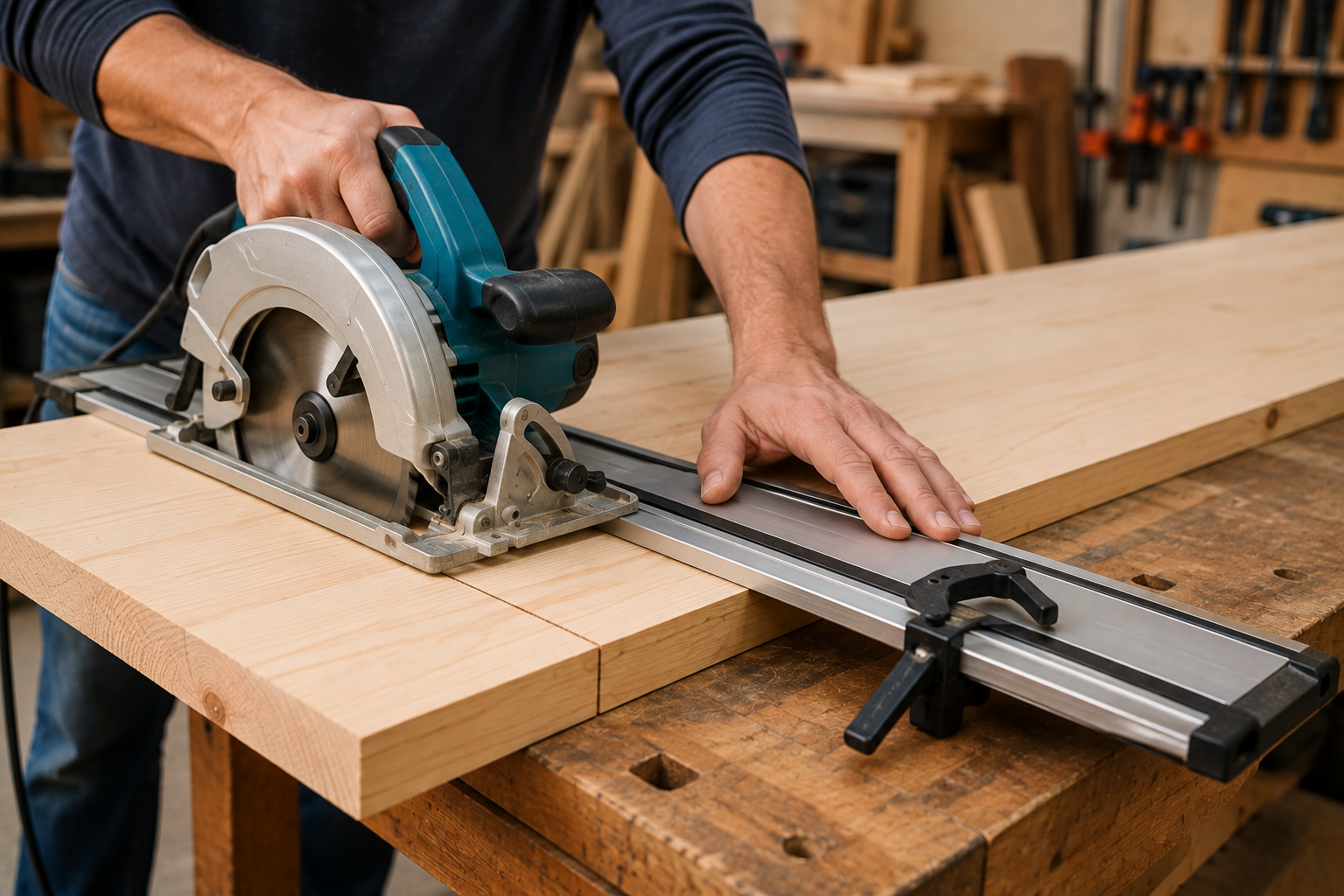
Precision is key in woodworking, and rushing through the measurement and planning phase can lead to costly mistakes. Beginners often make the error of not taking enough time to plan their projects thoroughly, resulting in inaccuracies, misalignments, and wasted materials. Before picking up any tools, take the time to measure and plan each step of the project carefully. Double-check measurements, create detailed sketches, and follow a systematic approach to minimize errors and achieve precise results.
Lack of Patience
Woodworking is a craft that requires patience and attention to detail. Rushing through projects or cutting corners can compromise the quality of the final piece. Beginners should embrace the process of woodworking as a learning experience and take their time to master each technique. Practice patience and allow room for mistakes, as they are opportunities to learn and improve. Remember that woodworking is a journey, and each project is a stepping stone towards honing your skills and creativity.
In conclusion, woodworking mistakes are common among beginners, but with awareness and guidance, they can be avoided or corrected. By prioritizing safety, choosing the right materials, dedicating time to proper planning, and embracing patience, aspiring woodworkers can enhance their craft and create beautiful pieces that reflect their creativity and skill. Remember, every mistake is a chance to learn and grow in the art of woodworking.