
Woodworking Without Experience: Easy Steps to Master the Craft
Embark on a woodworking journey with confidence using these essential **woodworking tips**. From setting up your workspace with a sturdy workbench to mastering basic techniques like cutting and finishing, youll be well on your way to crafting impressive projects in no time.

Embarking on a woodworking journey can be a rewarding and fulfilling experience, even for beginners with no prior knowledge or expertise in the craft. Whether you are eager to unleash your creativity, develop new skills, or simply enjoy working with your hands, starting woodworking with no experience is an attainable goal. This guide will provide you with essential tips and resources to kickstart your woodworking journey, from setting up your workspace to learning fundamental techniques and selecting the right tools.
Setting Up Your Workspace
Before diving into woodworking, it’s crucial to establish a dedicated workspace where you can comfortably practice and hone your skills. Choose a well-lit area with sufficient ventilation and access to power outlets. An essential component of your woodworking setup is a sturdy workbench that provides a stable surface for cutting, sanding, and assembling your projects. Consider organizing your tools and materials in a way that promotes efficiency and safety, ensuring easy access while working on your projects.
Learning Basic Woodworking Techniques
While starting woodworking with no experience may seem daunting, learning basic techniques is a fundamental foundation for success. Begin by familiarizing yourself with essential woodworking terminology, such as grain direction, joinery, and wood species. Practice measuring and marking accurately, as precision is crucial in woodworking projects. Additionally, mastering basic techniques like cutting, drilling, sanding, and finishing will help you tackle a wide range of projects with confidence.
Essential Woodworking Tools for Beginners
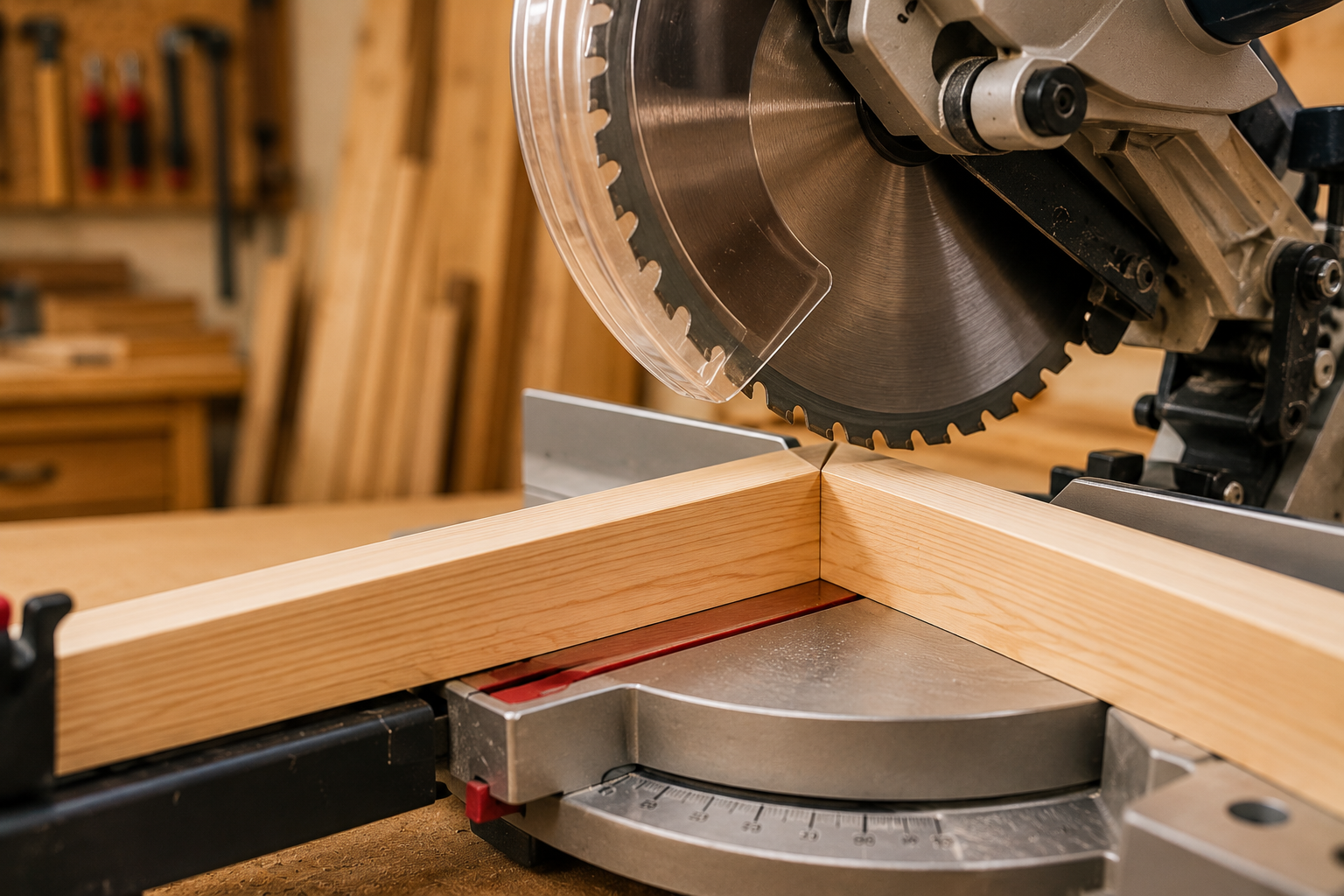
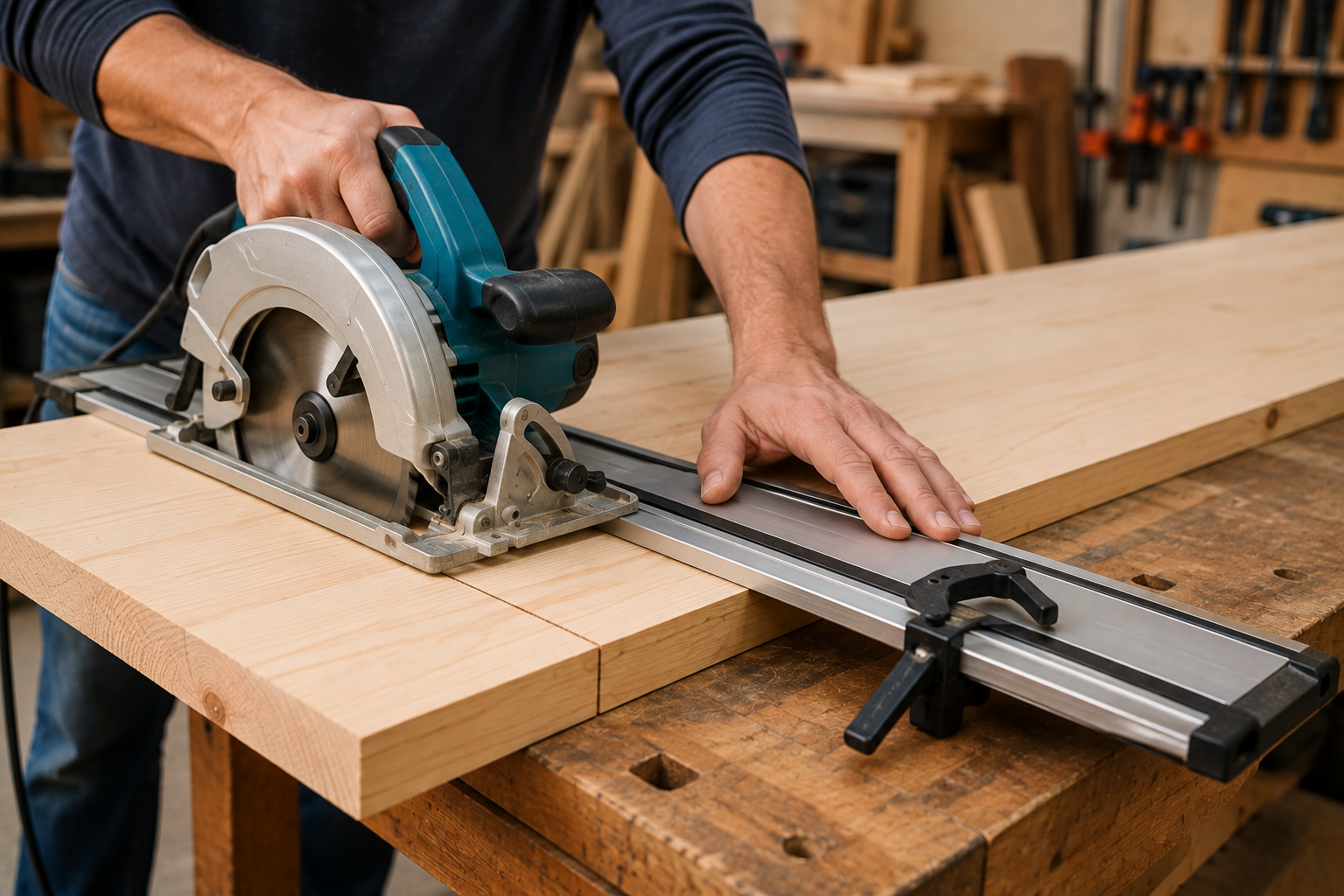
Building a collection of essential woodworking tools is an essential step in your woodworking journey. While the variety of tools available can be overwhelming, starting with a few key items will enable you to tackle basic projects effectively. Some must-have tools for beginners include a saw (such as a handsaw or circular saw), a drill/driver, a hammer, sandpaper, measuring tools (like a tape measure and combination square), and safety gear (such as safety glasses and ear protection). As you progress, you can gradually expand your tool collection to suit more advanced projects.
Seeking Guidance and Resources
To accelerate your learning curve and gain invaluable insights, consider seeking guidance from experienced woodworkers or enrolling in woodworking classes or workshops. Online resources such as tutorials, forums, and instructional videos can also provide valuable guidance and inspiration for your projects. Joining woodworking communities and attending local woodworking events can connect you with like-minded individuals who can offer advice and support as you navigate your woodworking journey.
Starting Your First Woodworking Project
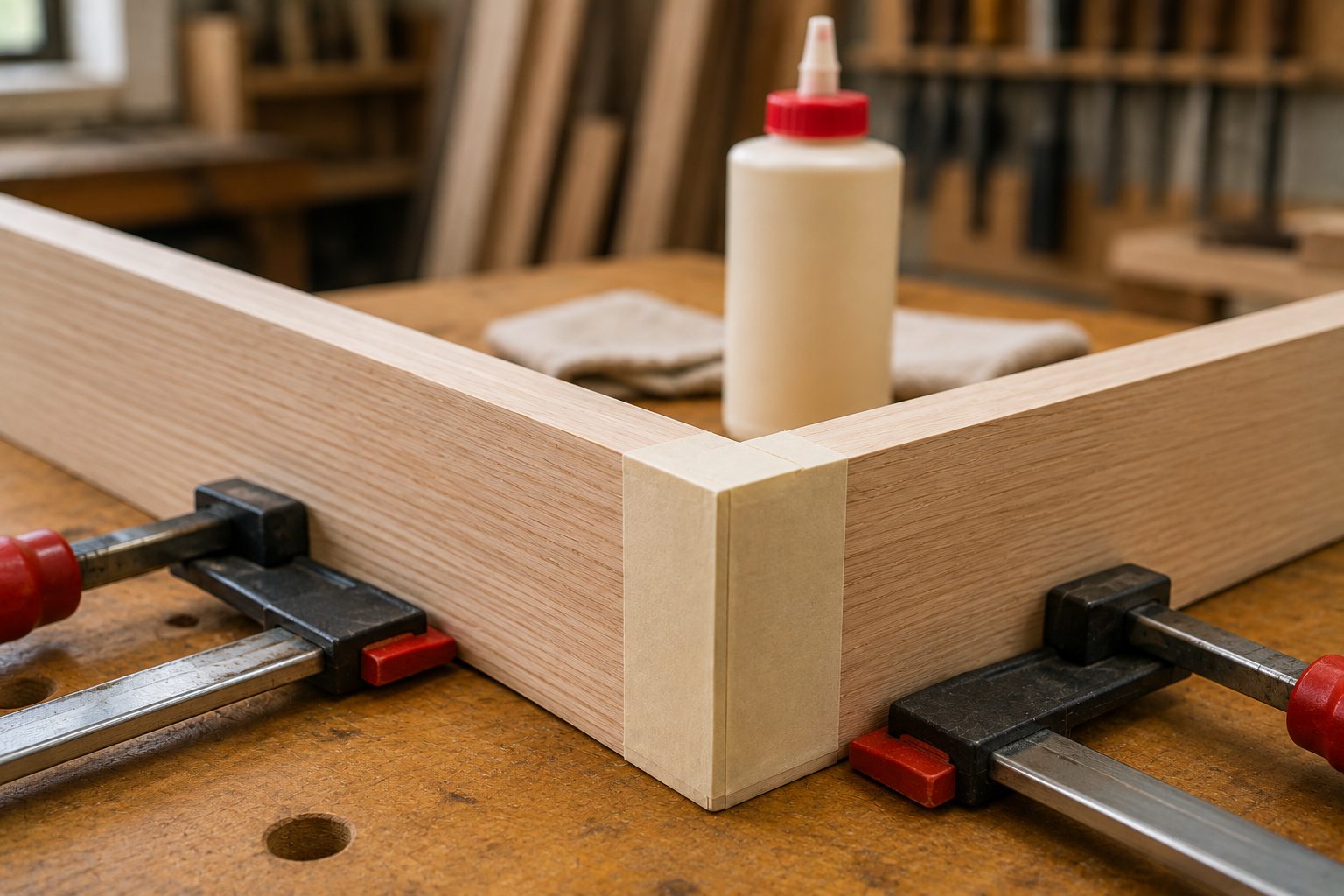
When beginning your first woodworking project, start with a simple design that matches your skill level and tools. A practical project like a basic shelf, small stool, or picture frame can help you apply fundamental techniques while gaining confidence in your abilities. Remember to take your time, follow safety precautions, and enjoy the process of creating something with your hands. Embrace mistakes as learning opportunities and celebrate your progress as you complete each project.
Conclusion
Starting woodworking with no experience is an exciting venture that opens the door to creativity, skill development, and a sense of accomplishment. By setting up a functional workspace, learning basic techniques, acquiring essential tools, seeking guidance, and starting your first project, you can embark on a fulfilling woodworking journey. Embrace the learning process, stay curious, and continually challenge yourself to grow as a woodworker. With dedication, practice, and a passion for craftsmanship, you can cultivate a rewarding hobby or even pursue a fulfilling career in woodworking.