
Woodworking Show Lighting: Best Tips for Illuminating Your Space
Illuminate your woodworking projects with these top-notch woodworking lighting tips! From task lighting to maximizing natural light, discover how proper illumination can enhance your woodworking experience.

Woodworking is a meticulous craft that requires precision and attention to detail. One of the key factors that can significantly impact the quality of woodworking projects is lighting. Adequate lighting in a woodworking shop is essential for ensuring accurate cuts, assessing wood grain, and maintaining a safe working environment. In this article, we will explore the importance of good lighting in a woodworking shop and provide practical tips on how to improve lighting to enhance your woodworking experience.
The Impact of Lighting on Woodworking
Proper lighting is crucial in a woodworking shop for several reasons. First and foremost, good lighting helps woodworkers to see their work clearly, which is essential for making accurate cuts and ensuring the quality of the finished product. Insufficient lighting can lead to mistakes, uneven cuts, and inaccuracies in measurements, compromising the overall craftsmanship of the project.
In addition to improving visibility, adequate lighting also plays a crucial role in enhancing safety in the workshop. Bright, well-lit spaces reduce the risk of accidents by making it easier to identify potential hazards, such as sharp tools or irregularities in the wood surface. Proper lighting can also help reduce eye strain and fatigue, allowing woodworkers to work comfortably for longer periods without compromising their health.
Tips for Improving Lighting in Your Woodworking Shop
1. Install Task Lighting:
Task lighting is focused lighting that illuminates specific work areas, such as the workbench or sawing station. Consider installing adjustable LED task lights or clamp lights that can be directed to where you need them most. Task lighting ensures that you have sufficient brightness precisely where you are working, enhancing visibility and accuracy.
2. Maximize Natural Light:
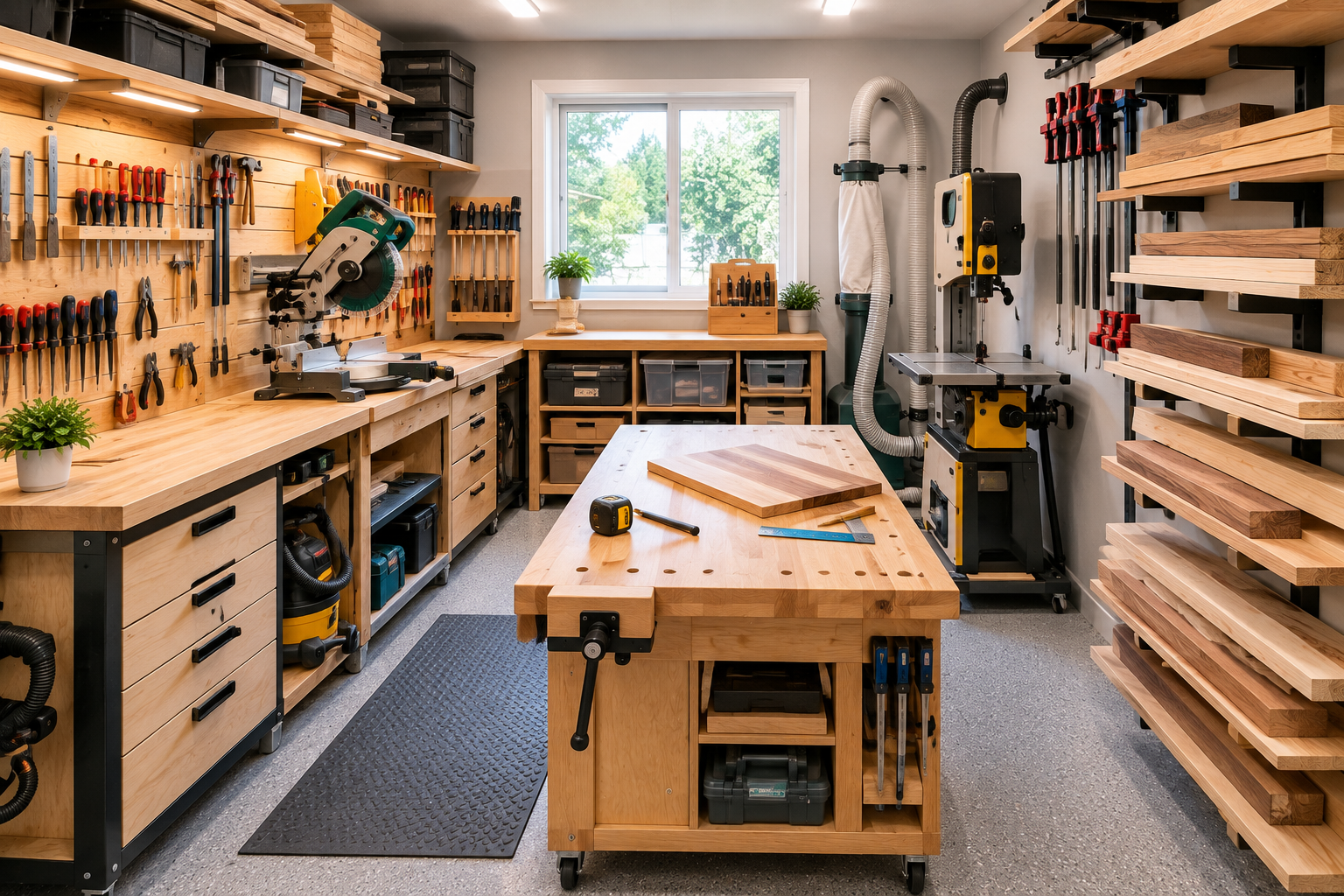
Where possible, take advantage of natural light sources by positioning workstations near windows or skylights. Natural light not only provides excellent illumination but also creates a more pleasant working environment. If natural light is limited, consider installing daylight-spectrum bulbs to mimic natural sunlight and reduce eye strain.
3. Use Overhead Lighting:
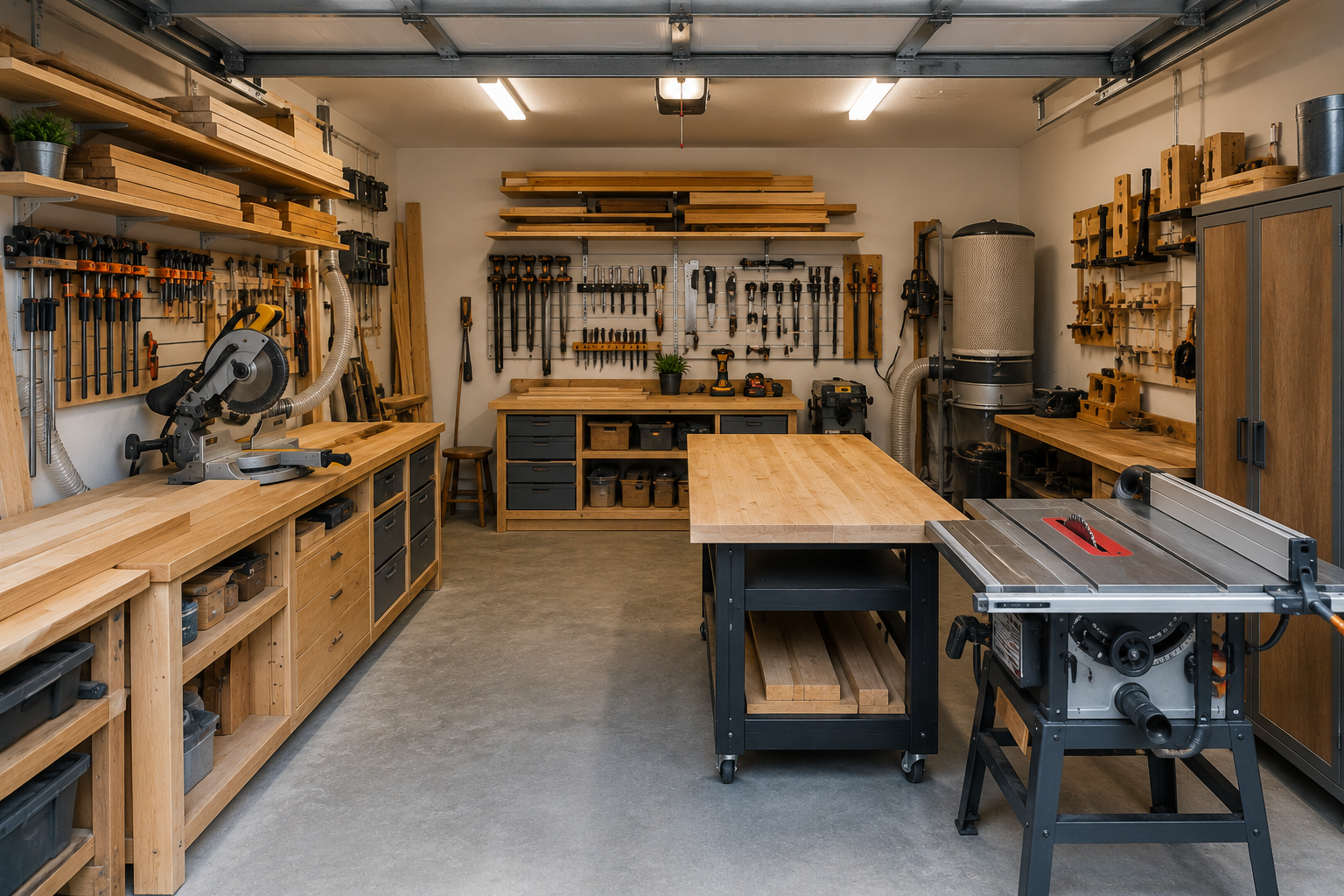
Overhead lighting fixtures, such as fluorescent or LED shop lights, can provide general illumination throughout the workshop. Make sure to position overhead lights evenly to avoid casting shadows on your work surface. Consider incorporating multiple light fixtures to ensure uniform lighting and eliminate any dark spots in the shop.
4. Maintain Clean Light Fixtures:
Regularly clean and dust light fixtures to ensure maximum brightness and clarity. Dust and dirt accumulation can reduce the effectiveness of lighting fixtures, resulting in dim or uneven lighting. Keep light bulbs and lenses clean to maintain optimal illumination levels and prevent glare or hotspots in your workspace.
5. Consider Lighting Color Temperature:
The color temperature of light sources can have a significant impact on the overall ambiance of your woodworking shop. Cooler, daylight-spectrum lighting is ideal for tasks that require precise visibility, while warmer lighting can create a more inviting atmosphere. Experiment with different color temperatures to find the right balance for your workspace.
Conclusion
In conclusion, proper lighting is a fundamental aspect of any woodworking shop that directly influences the quality of workmanship and safety of the space. By implementing the tips outlined above and investing in quality lighting solutions, woodworkers can create a well-lit, comfortable environment that enhances productivity and craftsmanship. Remember, good lighting not only illuminates your projects but also sheds light on the path to mastering the art of woodworking.