
Effortless Setup: Best Dust Collection System for Small Shops
Upgrade your small shop with the best dust collection system to keep your workspace clean, safe, and efficient. Say goodbye to airborne particles and hello to a healthier woodworking environment!
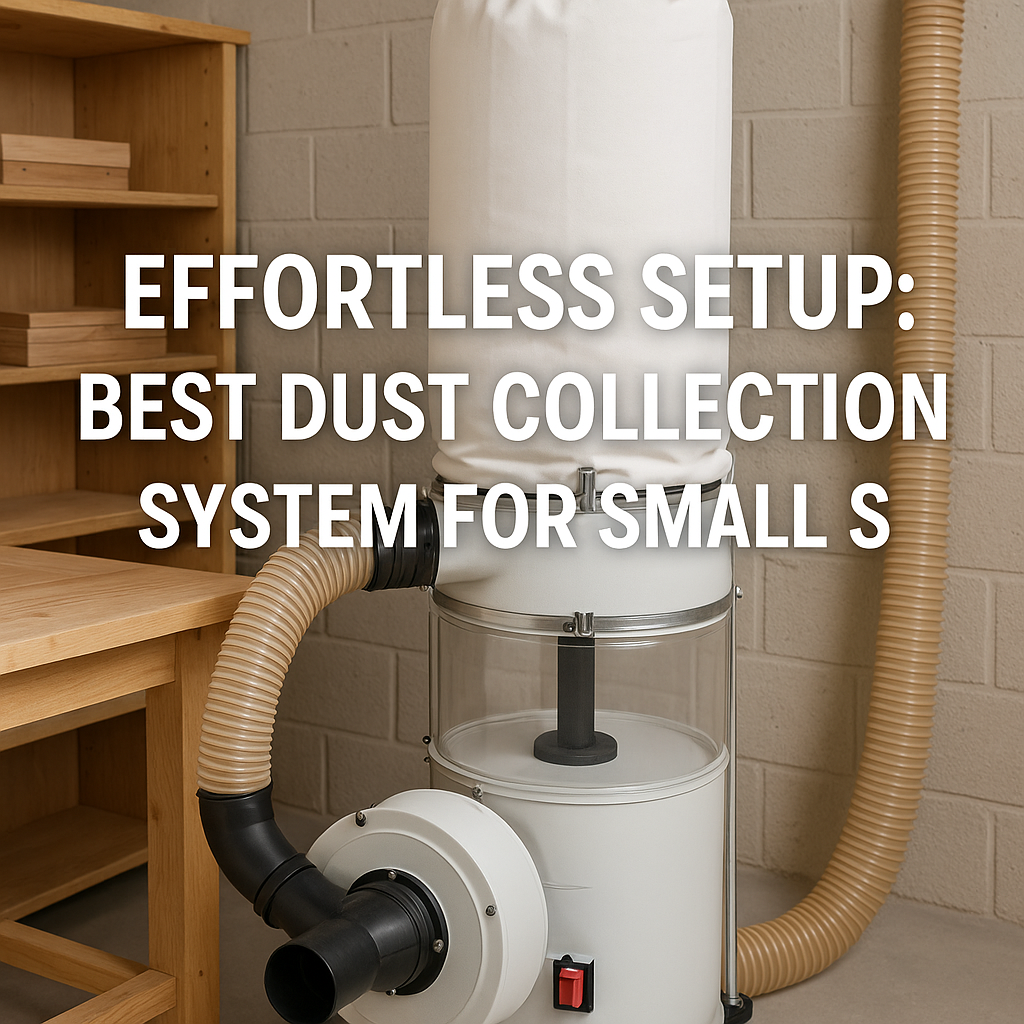
When setting up a woodworking or workshop space in a small shop, one crucial component that often gets overlooked is a dust collection system. Dust produced from cutting and sanding wood can pose health risks and create a messy workspace. A proper dust collection system is essential for maintaining a clean and safe environment in your small shop. In this article, we will discuss the importance of setting up a dust collection system, the benefits it provides, and step-by-step guidelines on how to efficiently establish one in a compact workshop.
Understanding the Importance of a Dust Collection System
Dust generated from woodworking activities contains harmful particles that can be detrimental to your health when inhaled. Fine wood dust can cause respiratory issues, eye irritation, and even long-term health problems. In addition to health concerns, excess dust in the air can settle on surfaces, machinery, and your workpieces, leading to reduced efficiency and potential damage to your tools. A dust collection system helps mitigate these risks by effectively capturing and containing wood particles, keeping your shop clean and safe.
Benefits of a Dust Collection System
-
Improved Air Quality: By removing airborne dust particles, a dust collection system promotes better air quality in your workspace, creating a healthier environment for you to work in.
-
Protecting Equipment: Dust can infiltrate machinery and equipment, causing malfunctions and reducing their lifespan. A dust collection system helps maintain the performance and longevity of your tools.
-
Enhanced Visibility and Accuracy: A clean workspace ensures better visibility of your work area and improves the accuracy of your cuts and measurements. Dust collection systems help in maintaining a clutter-free environment.
Setting Up a Dust Collection System in a Small Shop
-
Assess Your Space: Before installing a dust collection system, evaluate the layout of your shop to determine the best location for the unit. Consider factors such as proximity to power sources, ease of access, and airflow patterns.
-
Choose the Right System: Select a dust collector that suits the size of your shop and the type of woodworking activities you undertake. Cyclone and single-stage collectors are popular choices for small shops.
-
Positioning and Ductwork: Install the dust collector near the center of your workspace for optimal efficiency. Properly size and position the ductwork to ensure effective capture of dust particles from all areas of your shop.
-
Use Filters and Bags: Invest in high-quality filters and collection bags to trap fine dust particles and prevent them from circulating back into the air. Regularly clean or replace these components to maintain the system’s effectiveness.
-
Implement Best Practices: Encourage good shop practices such as wearing a dust mask, sweeping up debris regularly, and using dust extraction attachments on tools to supplement the dust collection system.
Conclusion
In conclusion, setting up a dust collection system in a small shop is a crucial step towards creating a safe and efficient workspace for your woodworking endeavors. By understanding the importance of dust collection, recognizing its benefits, and following the recommended guidelines for installation and maintenance, you can effectively manage wood dust and promote a healthier working environment. Taking proactive measures to control dust not only safeguards your health but also enhances the longevity of your tools and improves the overall quality of your work. Prioritize the establishment of a dust collection system in your small shop to enjoy a cleaner, safer, and more productive woodworking space.