
Dust-Free Woodworking Shop: Effortless Tips for Clean Air
Learn how to transform your **woodworking shop** into a clean haven with these effortless tips! From organizing your workspace for efficient dust control to investing in a top-notch dust collection system, ensure a safe and productive environment for your woodworking projects.

Woodworking is a rewarding and enjoyable hobby for many enthusiasts, but one common issue that woodworkers often face is keeping their workshop clean and dust-free. Wood dust not only poses health risks but can also negatively impact the quality of your work and the performance of your tools. In this article, we will explore essential tips and strategies on how to keep your woodworking shop dust-free, ensuring a safe and productive working environment for your projects.
Importance of Maintaining a Dust-Free Workshop
A clean and dust-free workshop is crucial for several reasons. Firstly, wood dust particles can pose serious health risks when inhaled. Prolonged exposure to wood dust can lead to respiratory problems, allergies, and even more severe conditions such as nasal cancer. By keeping your woodworking shop dust-free, you protect yourself from these health hazards and promote a safer environment for your work.
Organize Your Workshop Layout for Efficient Dust Control
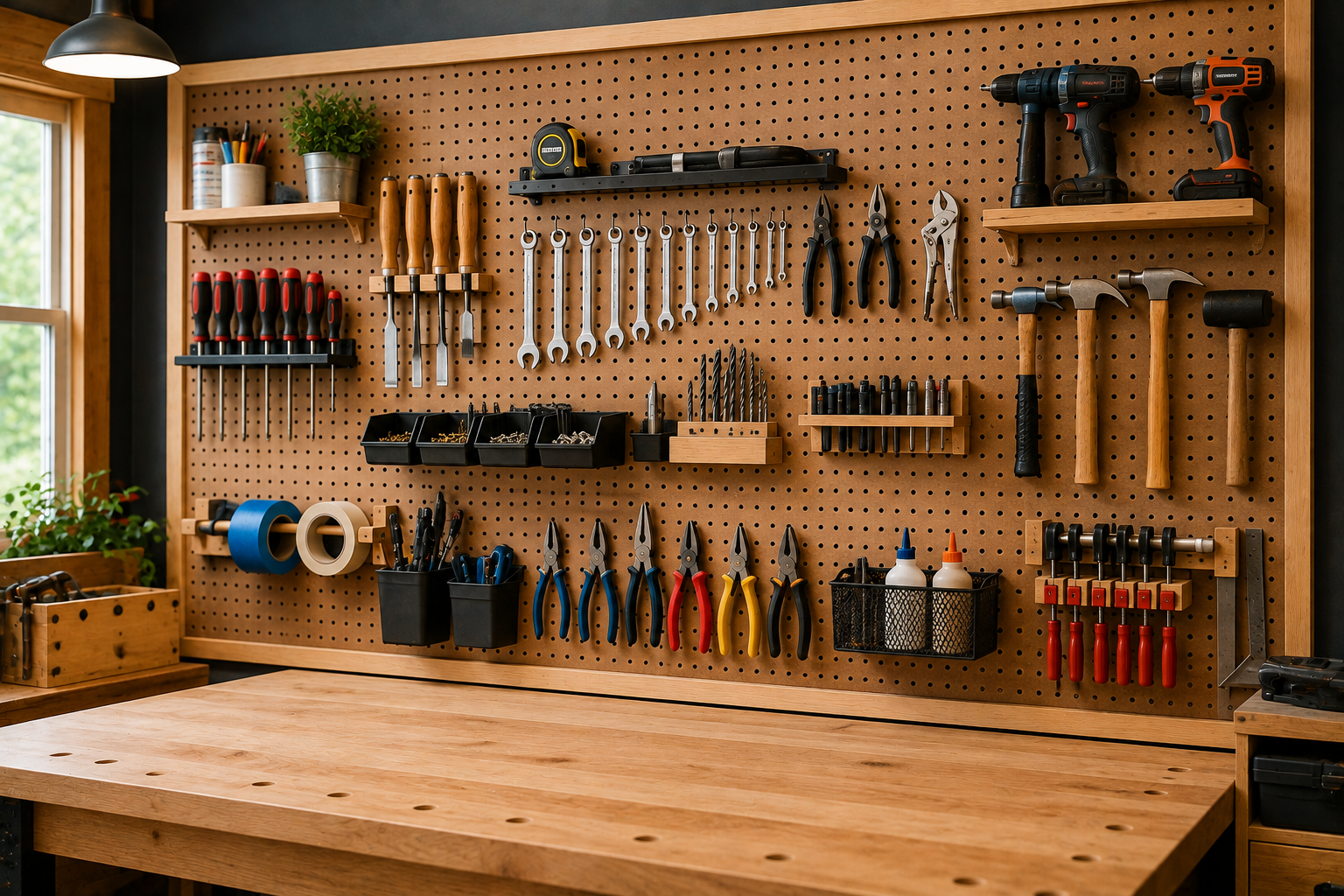
One of the primary steps in maintaining a dust-free workshop is to organize your workspace effectively. Ensure that your woodworking tools and equipment are arranged in a way that promotes good airflow and minimizes dust accumulation. Consider placing your tools strategically to create efficient dust collection zones and prevent dust from spreading to other areas of the workshop.
Invest in a High-Quality Dust Collection System
A reliable dust collection system is essential for keeping your woodworking shop free from dust. Invest in a high-quality dust collector that is suitable for the size of your workshop and the type of woodworking activities you perform. Make sure to regularly maintain and clean your dust collection system to ensure optimal performance and efficient dust removal.
Use Dust Extraction Attachments on Power Tools
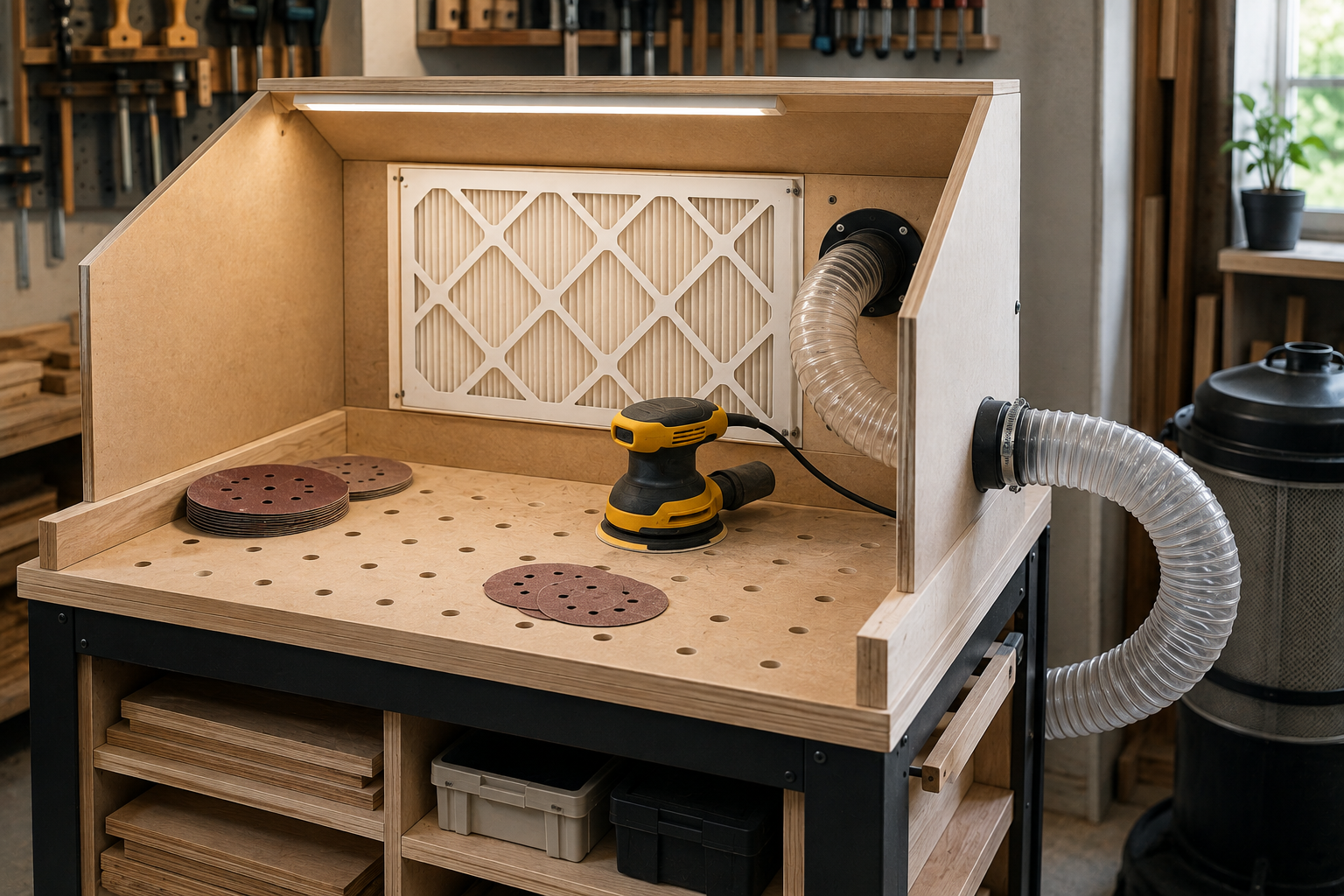
Many woodworking power tools come with dust extraction attachments that help capture dust at the source. Attach dust collection accessories to your tools such as table saws, routers, and sanders to minimize airborne dust particles. This not only keeps your workshop cleaner but also enhances the longevity and performance of your tools by preventing dust buildup in critical components.
Implement Effective Dust Control Measures
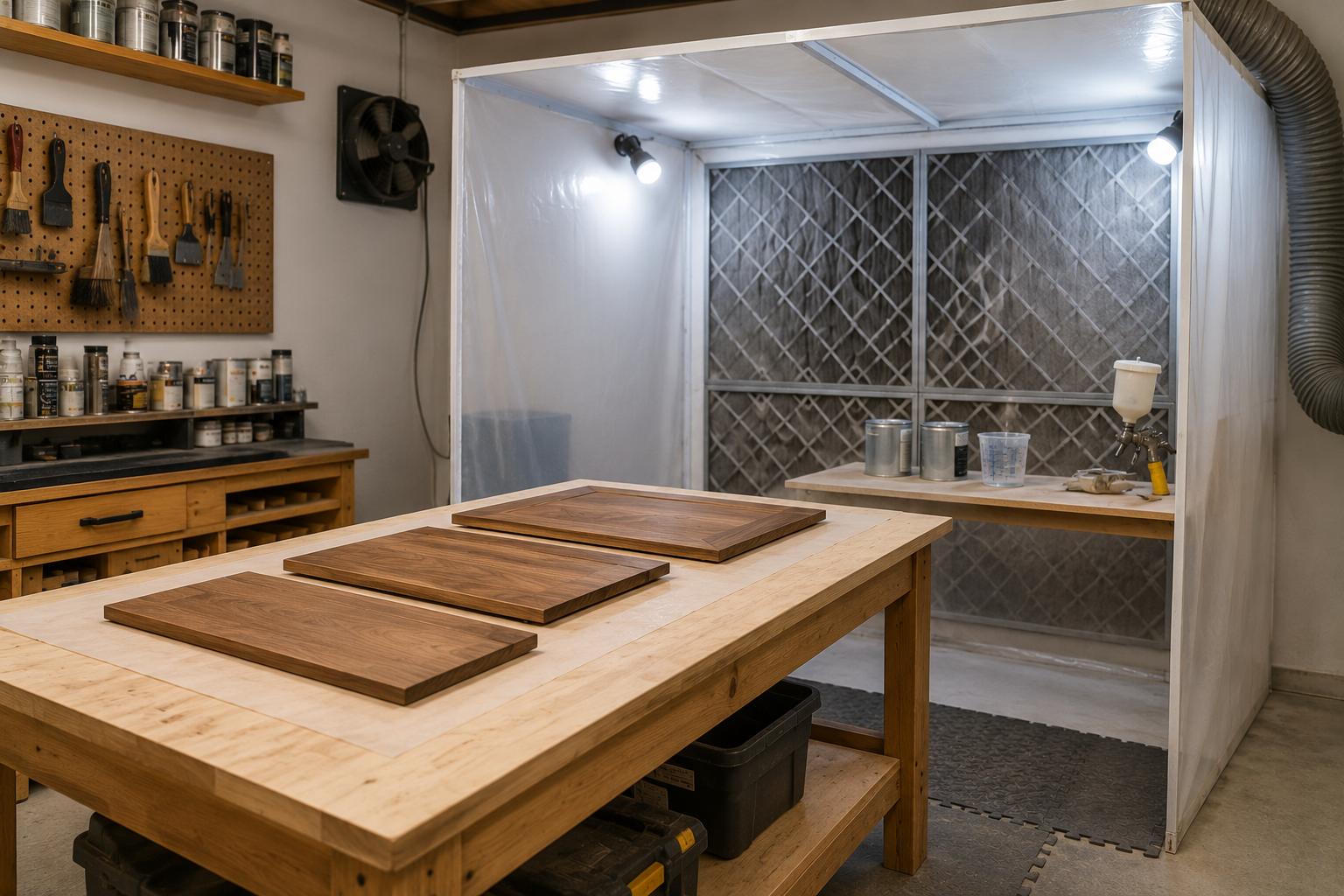
In addition to utilizing dust collection systems and attachments, there are several other measures you can take to control dust in your woodworking shop. Sweep and vacuum your workshop regularly to remove accumulated dust from the floors, surfaces, and corners. Consider using dust barriers or curtains to contain dust in specific work areas and prevent it from spreading throughout the workshop.
Wear Personal Protective Equipment
While implementing dust control measures in your workshop is essential, wearing appropriate personal protective equipment (PPE) is equally important. Invest in high-quality dust masks, goggles, and gloves to protect yourself from inhaling wood dust and coming into direct contact with harmful particles. Prioritize your safety by wearing PPE whenever you are woodworking to reduce health risks associated with wood dust exposure.
Conclusion
In conclusion, maintaining a dust-free woodworking shop is key to creating a safe, healthy, and productive environment for your woodworking projects. By organizing your workshop layout efficiently, investing in quality dust collection systems, using dust extraction attachments on power tools, implementing effective dust control measures, and wearing appropriate PPE, you can effectively minimize dust accumulation and promote a cleaner workspace. Prioritize your health and safety by incorporating these tips into your woodworking practices and enjoy a dust-free workshop for years to come.