
Woodworking Workshop Setup Made Effortless
Setting up your woodworking shop doesnt have to be overwhelming! By creating a functional layout and selecting the right tools and equipment, you can transform your space into a woodworking haven that sparks creativity and productivity. Lets make your woodworking shop setup a breeze!

Woodworking is a popular and rewarding hobby that allows individuals to unleash their creativity and build stunning pieces of furniture or crafts. Whether you are just starting your woodworking journey or looking to expand your existing workshop, setting up a small woodworking shop can be a fulfilling project. With the right planning and organization, you can create a space that is not only functional but also inspiring. In this guide, we will walk you through the essential steps on how to set up a small woodworking shop.
Creating a Functional Layout
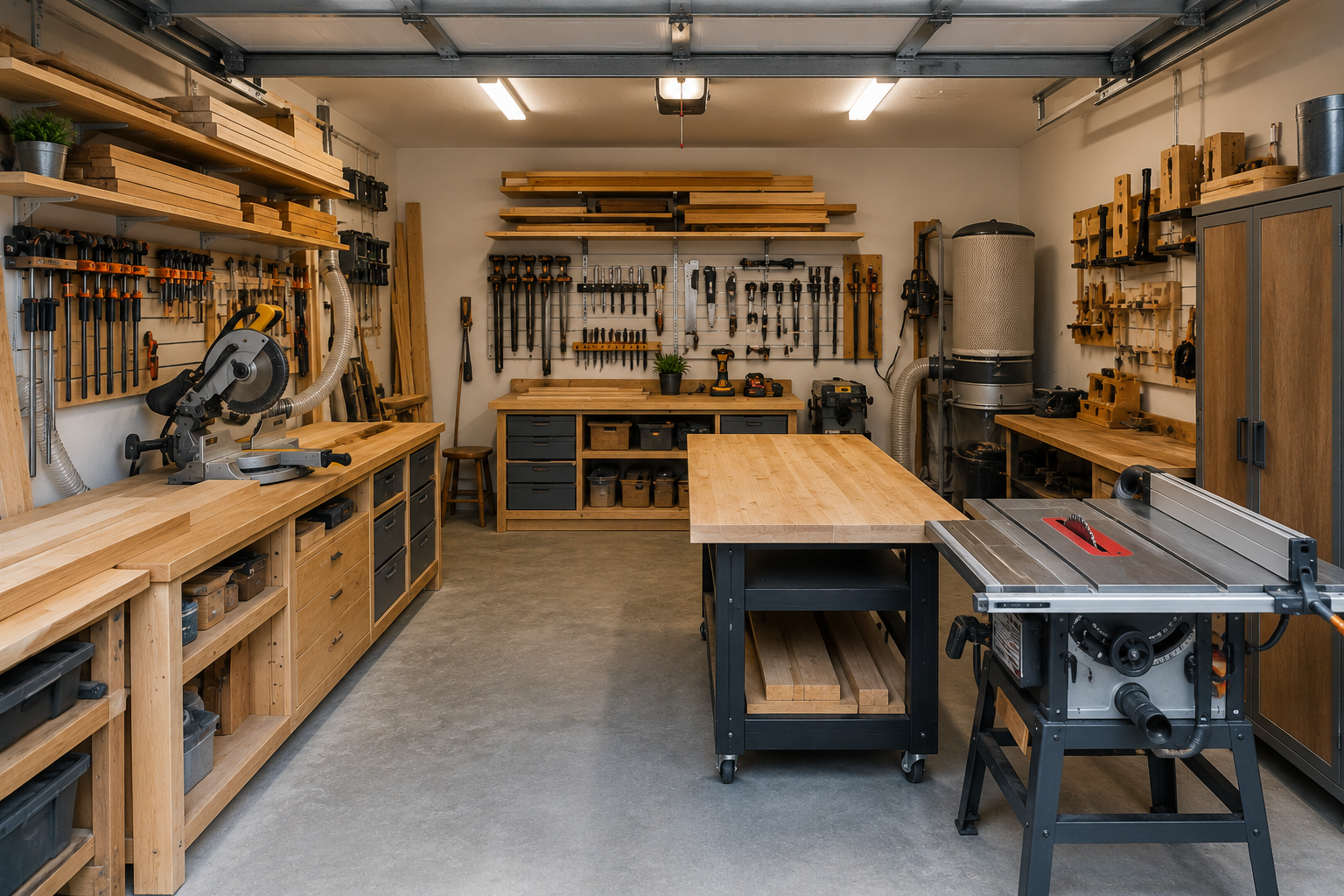
The first step in setting up a small woodworking shop is to create a functional layout. Before purchasing any equipment or tools, take the time to assess the available space and plan how you want to arrange your workshop. Consider factors such as workflow efficiency, storage options, and safety measures. Make sure to allocate separate areas for cutting, sanding, and assembly to streamline your woodworking process.
Selecting Essential Tools and Equipment
Once you have a layout in mind, it’s time to select the essential tools and equipment for your woodworking shop. Start with the basics, such as a table saw, miter saw, drill press, and router. Invest in high-quality tools that are durable and reliable, as they will be the backbone of your woodworking projects. Additionally, consider adding woodworking hand tools like chisels, planes, and clamps to your collection for detailed work.
Organizing Storage and Work Surfaces
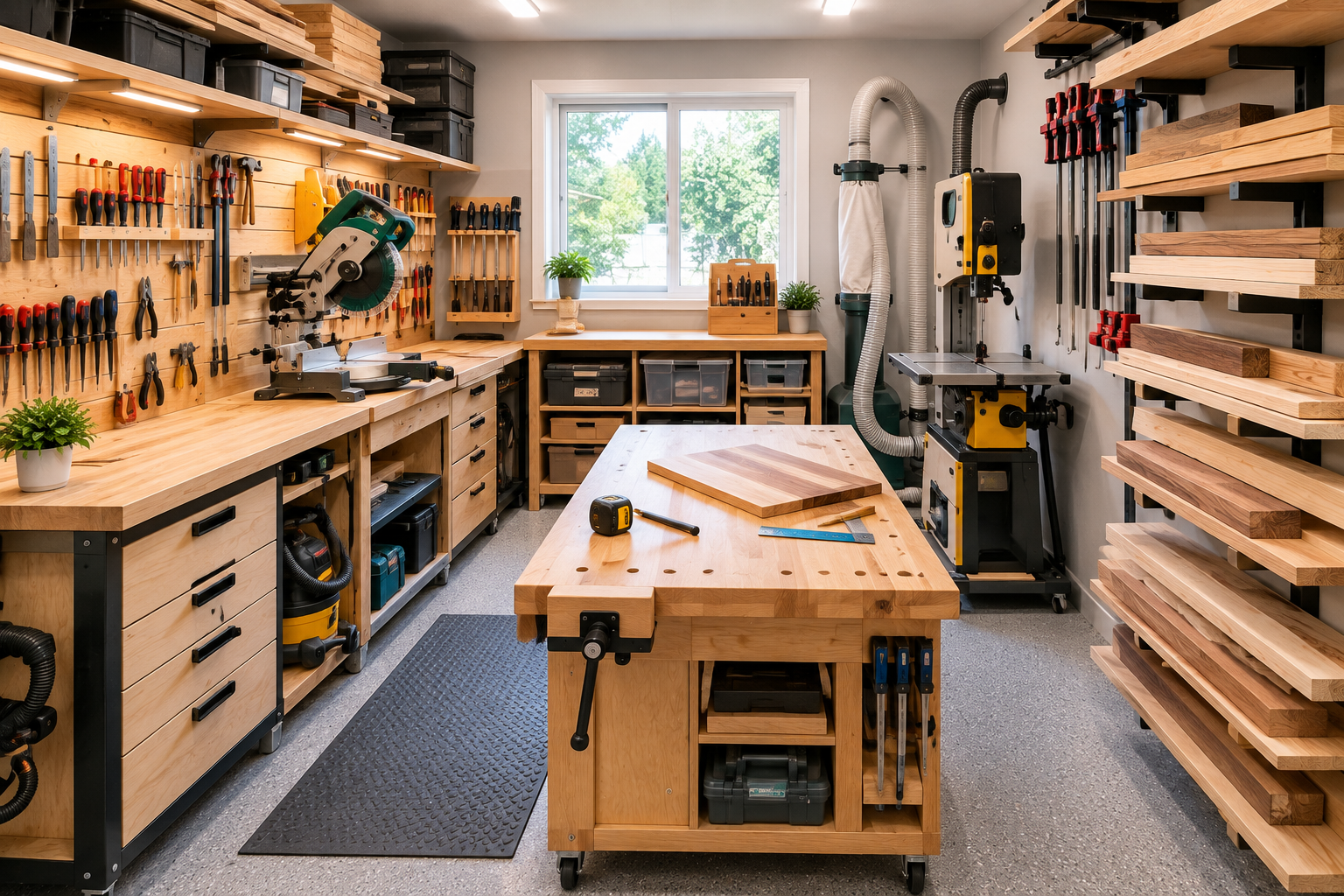
An organized woodworking shop is essential for efficiency and safety. Set up storage solutions such as cabinets, shelves, and tool racks to keep your tools and materials neatly arranged and easily accessible. Utilize work surfaces like workbenches or assembly tables to create dedicated areas for different woodworking tasks. Keep your workspace clutter-free to prevent accidents and improve productivity.
Ensuring Adequate Lighting and Ventilation
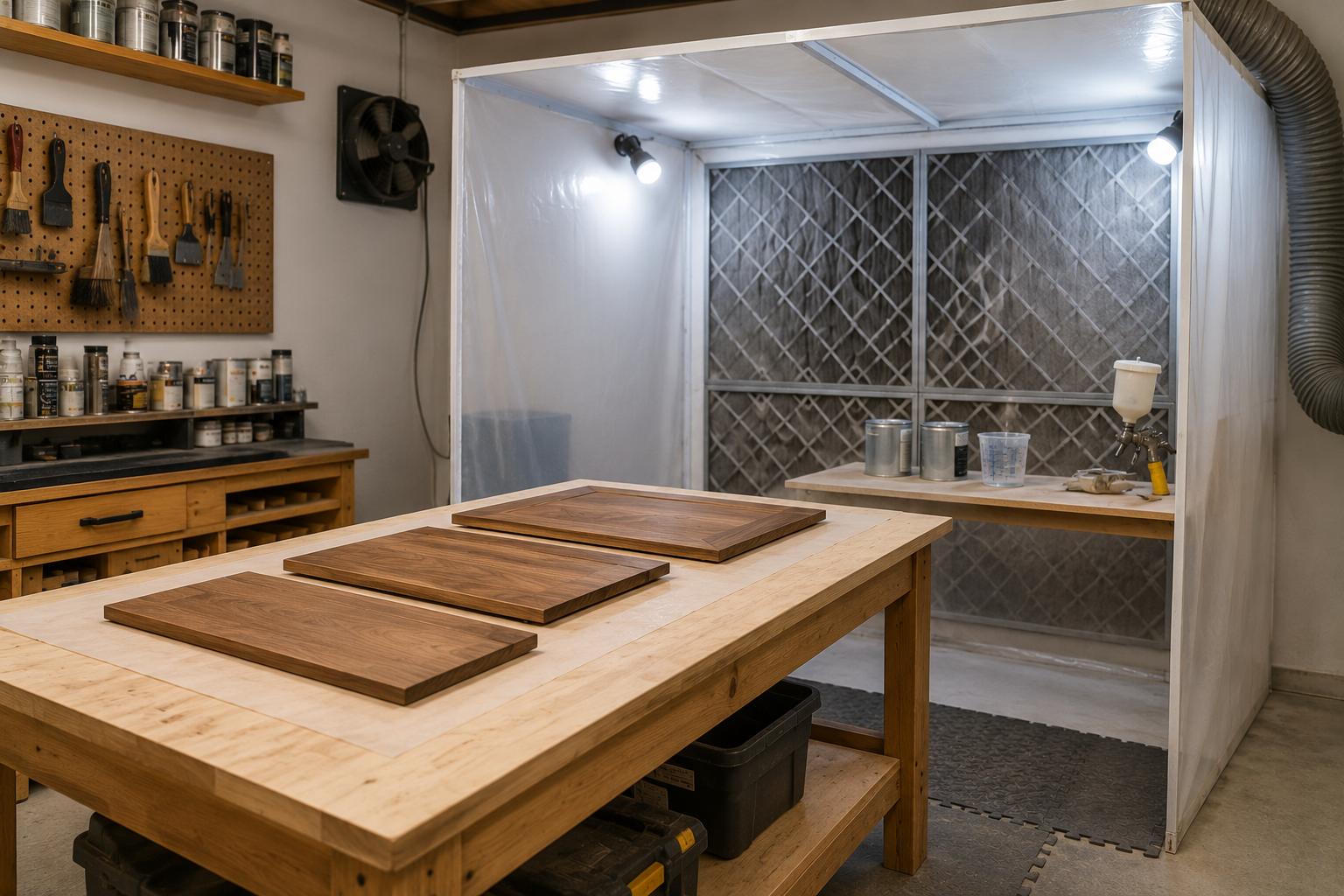
Good lighting and ventilation are crucial in a woodworking shop. Ensure that your workshop is well-lit with overhead lighting or task lighting to illuminate your work area effectively. Natural light can also enhance the ambiance of your shop. Install proper ventilation systems, such as exhaust fans or dust collection systems, to maintain clean air quality and reduce the risk of dust-related health issues.
Setting Up a Dust Collection System
Woodworking generates a significant amount of dust, which can be hazardous to your health and cause damage to your tools and equipment. Setting up a dust collection system is essential to create a safe and healthy working environment. Invest in a dust collector or shop vacuum with a HEPA filter to capture fine dust particles and maintain a clean workspace.
Establishing Safety Practices
Safety should always be a top priority in any woodworking shop. Implement safety practices such as wearing appropriate personal protective equipment (PPE) like safety glasses, ear protection, and dust masks. Keep your work area free of clutter and ensure that your tools are well-maintained and used correctly. Familiarize yourself with the safety features of each tool and follow manufacturer guidelines to prevent accidents.
Conclusion
Setting up a small woodworking shop is a rewarding endeavor that requires careful planning and organization. By creating a functional layout, selecting the right tools and equipment, organizing storage and work surfaces, ensuring adequate lighting and ventilation, setting up a dust collection system, and establishing safety practices, you can create a safe and efficient workspace for your woodworking projects. With dedication and creativity, your small woodworking shop can become a haven for crafting beautiful pieces and honing your woodworking skills.