
Woodworking Shop Organization: Tips for Small Spaces
Achieve woodworking shop organization nirvana in your small woodworking shop by leveraging smart storage solutions and maximizing your wall space. Streamline your woodworking experience with these simple yet effective tips.

Woodworking is a gratifying and fulfilling hobby that allows individuals to unleash their creativity while creating beautiful and functional items. However, working in a small woodworking shop can present challenges when it comes to organization and efficiency. With the right strategies and tips, you can optimize your space and create a well-organized and productive woodworking shop. Whether you are a beginner woodworker setting up your first shop or an experienced craftsman looking to maximize your existing space, these practical guidelines will help you achieve a well-organized small woodworking shop.
Planning Your Small Woodworking Shop Layout
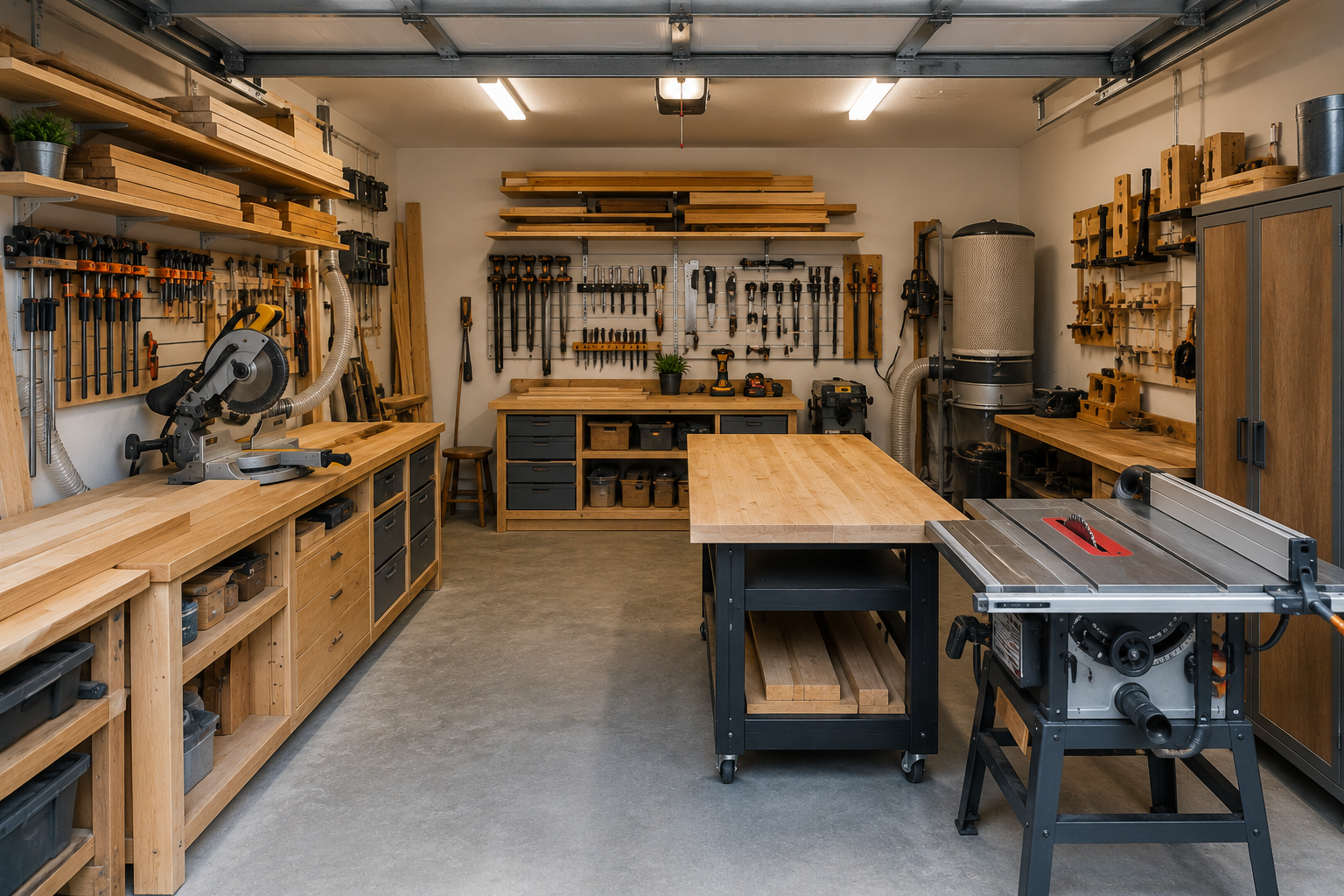
Before you start organizing your small woodworking shop, it is essential to plan the layout to make the most of the available space. Start by identifying the main work areas such as the cutting station, assembly area, and storage space for tools and materials. Consider the workflow and proximity of tools to optimize efficiency. Prioritize easy access to frequently used items while ensuring a clear and safe working environment to prevent accidents.
Utilize Wall Space for Storage
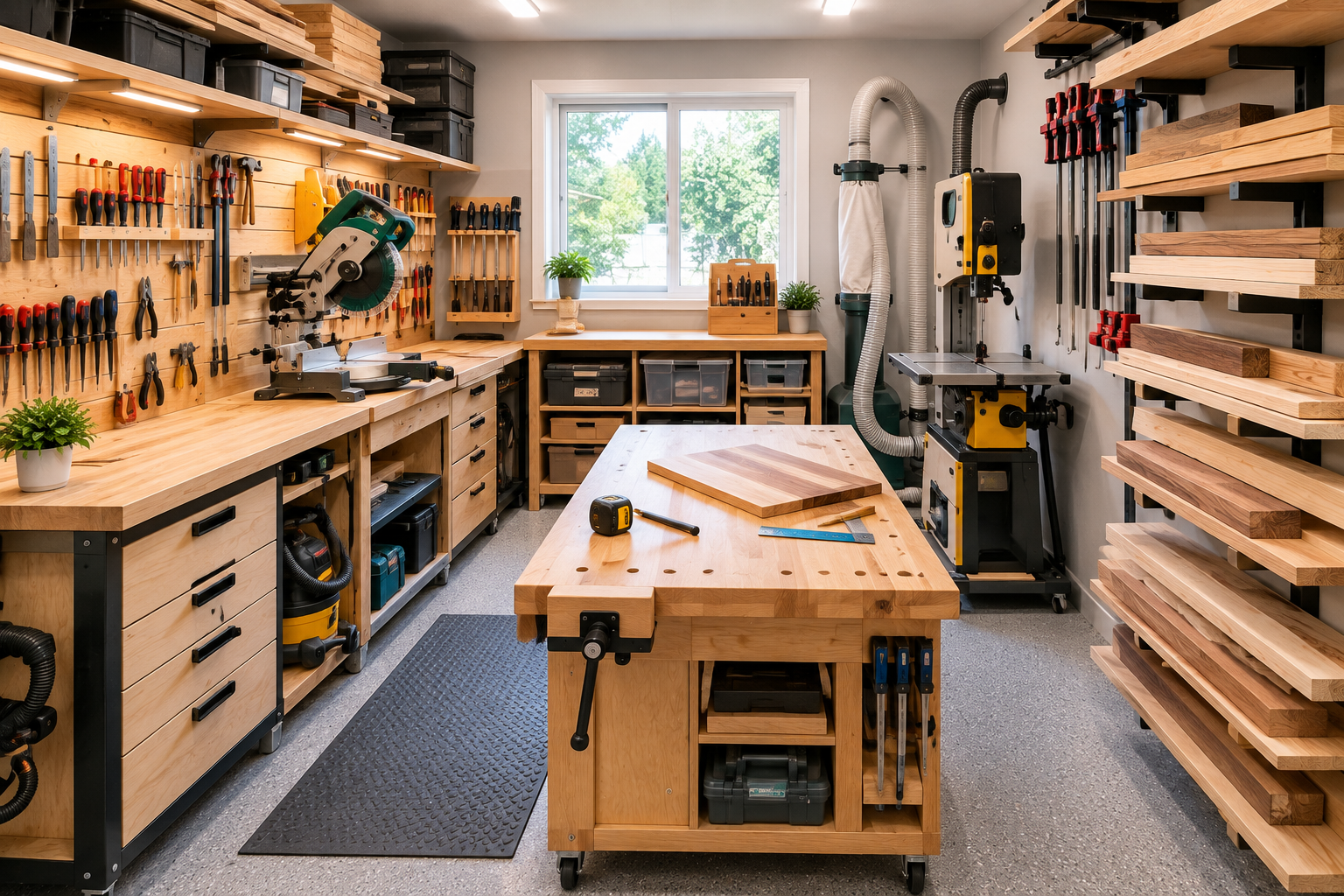
In a small woodworking shop, vertical storage is key to maximizing the available space. Install sturdy shelves, pegboards, and cabinets on the walls to keep tools, supplies, and materials off the floor and within reach. Utilize hooks, racks, and magnetic strips to organize and display your tools efficiently. This not only saves space but also creates a visually pleasing and organized shop environment.
Implement Smart Tool Storage Solutions
Effective tool storage is crucial for maintaining an organized small woodworking shop. Invest in tool chests, cabinets, and toolboxes to keep your tools organized and easily accessible. Use foam inserts or custom tool holders to keep your tools secure and prevent them from rolling around and getting damaged. Labeling drawers and containers will save you time and effort when searching for specific tools during a project.
Establish a Dust Collection System
Woodworking generates a significant amount of dust and debris, which can quickly accumulate in a small shop and affect air quality. Implement a dust collection system with a combination of a dust collector, air filtration unit, and strategically placed exhaust fans to keep the shop clean and safe. Regularly clean the shop to maintain a dust-free environment and prevent potential health hazards associated with wood dust exposure.
Create Dedicated Workstations
Divide your small woodworking shop into dedicated workstations based on different tasks such as cutting, sanding, and assembly. This division of labor will streamline your workflow and prevent clutter and disorganization. Equip each workstation with the necessary tools and equipment to avoid unnecessary movements and interruptions during projects. Remember to allocate space for workbenches and clamps to facilitate woodworking tasks effectively.
Prioritize Safety and Accessibility
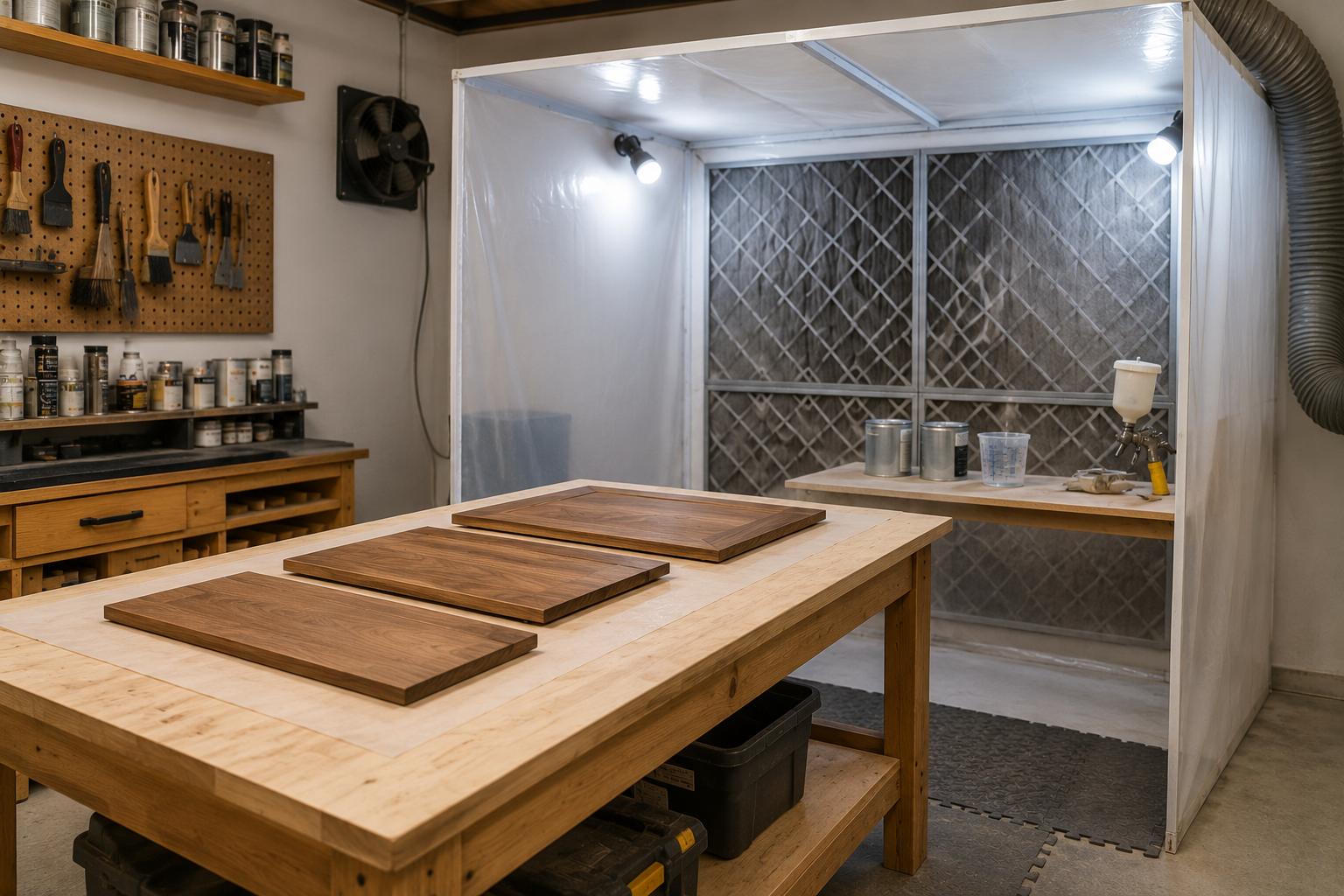
Safety should always be a top priority in a woodworking shop, especially in a small space where hazards may be more pronounced. Ensure that emergency exits are clear and easily accessible, and that fire extinguishers and first aid kits are readily available. Organize your shop in a way that minimizes tripping hazards and keeps sharp tools safely stored when not in use. Implement proper ventilation and lighting to create a comfortable and safe working environment.
Conclusion
Organizing a small woodworking shop requires thoughtful planning, efficient storage solutions, and a focus on safety and accessibility. By implementing the strategies outlined above, you can transform your small workshop into a functional and well-organized space that enhances your woodworking experience. With a well-designed layout, smart storage solutions, and a commitment to safety, you can enjoy woodworking to the fullest while making the most of your limited space.